
Anne Douglas
LMFTNorth Carolina · 25 yrs exp
Compassionate therapist for trauma and life change
Stress, Anxiety · Relationship · Family · Grief · +15 more
Read profileNeed to talk now? Call or text 988
Therapist listings are provided by BetterHelp. We will earn a commission at no extra cost to you if you use our links to buy.
This page groups therapist profiles that list Post-Traumatic Stress as a focus alongside trauma and abuse. Visitors can compare listed location, approaches, languages, credentials, and areas of experience.
Browse the profiles below to learn more about each clinician’s stated focus and how their profile matches what you are seeking.
North Carolina · 25 yrs exp
Compassionate therapist for trauma and life change
Stress, Anxiety · Relationship · Family · Grief · +15 more
Read profile
Texas · 20 yrs exp
Experienced counselor focused on practical change
Stress, Anxiety · LGBT · Relationship · Self esteem · +16 more
Read profile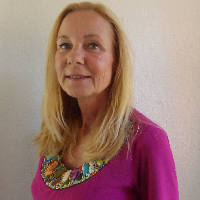
North Carolina · 30 yrs exp
Therapist specializing in trauma-informed care
Relationship · Parenting · Anger · Stress, Anxiety · +5 more
Read profile
Florida · 16 yrs exp
Compassionate, practical therapy for healing
Stress, Anxiety · Relationship · Trauma and abuse · Depression · +6 more
Read profile
California · 14 yrs exp
Insight-focused relational therapist
Stress, Anxiety · Relationship · Family · Intimacy-related issues · +9 more
Read profile
Texas · 13 yrs exp
Compassionate, skills-focused trauma care
Stress, Anxiety · Relationship · Trauma and abuse · Anger · +11 more
Read profile
Florida · 20 yrs exp
Change-focused counselor with addiction experience
Stress, Anxiety · Addictions · Relationship · Self esteem · +16 more
Read profile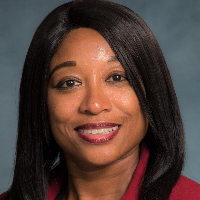
Georgia · 8 yrs exp
Warm, practical therapy for trauma and life stress
Stress, Anxiety · Relationship · Family · Grief · +11 more
Read profile
Florida · 25 yrs exp
Compassionate support for trauma and life transitions
Relationship · Trauma and abuse · Grief · Anger · +12 more
Read profile
Maryland · 6 yrs exp
Practical support for stress and trauma recovery
Stress, Anxiety · Trauma and abuse · Self esteem · Coping with life changes · +10 more
Read profile
Maryland · 10 yrs exp
Compassionate counselor for trauma and life changes
Stress, Anxiety · Relationship · Family · Intimacy-related issues · +12 more
Read profile
North Carolina · 10 yrs exp
Compassionate clinical social worker blending faith and therapy
Stress, Anxiety · Relationship · Family · Bipolar · +16 more
Read profile
Florida · 30 yrs exp
Practical, respectful therapy for trauma and life struggles
Stress, Anxiety · Trauma and abuse · Bipolar · Depression · +16 more
Read profile
Georgia · 14 yrs exp
Compassionate therapist for trauma recovery and life transitions
Stress, Anxiety · LGBT · Trauma and abuse · Anger · +9 more
Read profile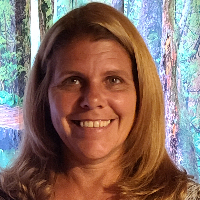
South Carolina · 10 yrs exp
Compassionate trauma-informed clinician
Stress, Anxiety · Relationship · Family · Trauma and abuse · +1 more
Read profile
Louisiana · 22 yrs exp
Compassionate, practical help for life’s difficult moments
Stress, Anxiety · Relationship · Family · Grief · +11 more
Read profile
South Carolina · 36 yrs exp
Experienced therapist for trauma and life change
Stress, Anxiety · Addictions · Family · Trauma and abuse · +3 more
Read profile
Florida · 18 yrs exp
Compassionate counselor for trauma and life changes
Stress, Anxiety · Relationship · Grief · Depression · +12 more
Read profile
North Carolina · 20 yrs exp
Compassionate, practical counseling for everyday change
Stress, Anxiety · Relationship · Family · Self esteem · +9 more
Read profile
North Carolina · 18 yrs exp
Experienced counselor focusing on practical coping skills
Stress, Anxiety · Addictions · Trauma and abuse · Anger · +13 more
Read profile
Florida · 30 yrs exp
Insightful counselor focused on lasting change
Stress, Anxiety · Relationship · Trauma and abuse · Depression · +14 more
Read profile
Florida · 15 yrs exp
Compassionate, skills-focused counseling for trauma and life challenges
Stress, Anxiety · Addictions · Trauma and abuse · Self esteem · +14 more
Read profile
Georgia · 19 yrs exp
Compassionate counselor for trauma and life challenges
Stress, Anxiety · Addictions · Trauma and abuse · Self esteem · +11 more
Read profile
North Carolina · 15 yrs exp
Supportive counselor focused on practical healing
Stress, Anxiety · Relationship · Anger · Depression · +12 more
Read profilePost-Traumatic Stress can follow many kinds of events - abuse, violence, accidents, or other experiences that felt overwhelming. The ways people respond vary widely; some people notice changes in mood, sleep, or thinking while others experience intense reactions to reminders of what happened. You may find that symptoms ebb and flow over time, that different aspects of daily life are affected, or that memories and feelings come up when you least expect them. This page is intended to help you understand how to find a therapist profile that aligns with the kinds of concerns you are facing and the style of care you prefer.
When reading about clinicians, remember that trauma-related difficulties are highly individual. Two people who experienced the same event can have very different needs. Go at your own pace when exploring profiles, and look for language that reflects attention to ongoing consent, pacing, and collaboration. If you are in immediate danger or fear for your safety, call 911. If you are in emotional crisis and in the United States, you may dial 988 for support from the Suicide and Crisis Lifeline.
This directory groups profiles in which clinicians list trauma and abuse and Post-Traumatic Stress among their focuses. That listing indicates the clinician has chosen to highlight those topics on their profile; it is not evidence of formal certification, a specific training program, or diagnostic or treatment outcomes. Profiles are a starting point to help you identify clinicians whose stated focus areas and approaches match what you want to explore.
Each profile includes a listed location when provided by the clinician, along with their stated languages, credentials, degree information, and approaches. Degree names such as PhD, PsyD, MD, MA, and MSW describe academic qualifications and are not the same as a professional license. Licenses like LCSW, LPC, LMFT, or LMHC are examples of credentials that may indicate permission to practice in a particular jurisdiction. Always verify a clinician’s current license and whether they are authorized to work with you in your location before beginning care.
When you contact a clinician or review a profile, have some focused questions in mind so you can compare how each clinician describes their work. You might ask how many years they have worked with people who describe Post-Traumatic Stress or with the specific kinds of events that matter to you. Ask what it means, on their profile, to list trauma and abuse as a focus and whether they have experience supporting people with similar goals - for example, reducing distress with reminders, managing sleep disruption, or coping with triggers in daily life.
Be specific about approaches you see listed. Some clinicians indicate they use trauma-focused techniques, and others list particular approaches. A helpful question is how those approaches are typically used in their practice and how they adapt methods to match a person’s pace and needs. For example, you may ask about therapists who list EMDR among their approaches and how that clinician integrates such approaches with other supports. Also ask whether the clinician treats the population you are seeking help for, since a listed topic does not guarantee work with children, couples, or families.
If you are considering remote care, discuss the practical and safety considerations that matter for you. Ask about the clinician’s procedures for handling crises and what steps they recommend if you are experiencing a sudden escalation of distress. This is separate from emergency services; if you are in immediate danger call 911 or, in the United States, contact 988 for crisis support. Clarify whether the clinician is licensed to provide care in your state or region and what their listed location indicates about where they may be permitted to practice.
Talk about technology and information-sharing boundaries practices for remote sessions, how appointments are scheduled, and what to do if a connection is lost during a session. Discuss time zone differences and how session timing will be managed. You may also want to ask how the clinician typically supports people who need a slow, paced approach; some people prefer shorter check-ins at first, while others plan for steady weekly sessions. These logistical conversations help set expectations and ensure the profile information aligns with your needs.
Comparing profiles can be most useful when you use consistent criteria across several clinicians. Look at how each profile describes focus areas beyond Post-Traumatic Stress, such as trauma and abuse, grief, or related concerns, and think about which combinations fit the priorities you have identified. Pay attention to stated languages and cultural or community experience if those factors influence how you want to communicate and be understood. A clinician who lists a language you speak may offer direct communication without an interpreter, which can matter for nuanced conversations.
Examine degree information separately from licensure statements. A listing of PhD, PsyD, MD, MA, or MSW tells you about a clinician’s educational background, while a license label indicates legal permission to practice in a jurisdiction. If a profile lists approaches you are curious about, such as therapists who list EMDR among their approaches or those that mention somatic-oriented work, ask how those approaches might be tailored to you. Also consider descriptive language about therapeutic style - whether a clinician describes a collaborative, skills-based, or exploratory approach - and reflect on which style feels most likely to help you engage comfortably.
As you move from browsing profiles to reaching out, keep a few practical steps in mind. Prepare a short description of what matters to you and specific questions about the clinician’s experience with the kinds of aftereffects you are noticing. Confirm licensure and the clinician’s permission to work with you in your location. Ask about communication preferences and what to expect during initial contacts so you can assess fit at your own pace.
If you are experiencing immediate danger, contact 911. If you are in the United States and need immediate emotional support, you may call 988 for crisis help. This site’s profiles are informational and do not replace emergency services or personalized safety planning. Take your time reviewing profiles, make inquiry calls when you are ready, and choose a clinician whose stated focus areas, approaches, languages, credentials, and therapeutic style align with the kind of support you want to explore.
Alabama
22 therapists
Alaska
3 therapists
Arizona
12 therapists
Arkansas
6 therapists
California
28 therapists
Colorado
12 therapists
Connecticut
8 therapists
Delaware
53 therapists
District of Columbia
37 therapists
Florida
1608 therapists
Georgia
569 therapists
Hawaii
7 therapists
Idaho
4 therapists
Illinois
20 therapists
Indiana
11 therapists
Iowa
6 therapists
Kansas
2 therapists
Kentucky
11 therapists
Louisiana
17 therapists
Maine
1 therapist
Maryland
251 therapists
Massachusetts
5 therapists
Michigan
15 therapists
Minnesota
3 therapists
Mississippi
7 therapists
Missouri
10 therapists
Nebraska
1 therapist
Nevada
6 therapists
New Hampshire
4 therapists
New Jersey
15 therapists
New Mexico
5 therapists
New York
29 therapists
North Carolina
612 therapists
North Dakota
1 therapist
Ohio
19 therapists
Oklahoma
5 therapists
Oregon
5 therapists
Pennsylvania
39 therapists
Rhode Island
1 therapist
South Carolina
301 therapists
Tennessee
16 therapists
Texas
49 therapists
Utah
7 therapists
Vermont
2 therapists
Virginia
284 therapists
Washington
4 therapists
West Virginia
44 therapists
Wisconsin
5 therapists
Wyoming
2 therapists