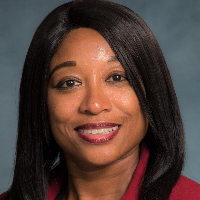
- Trauma and abuse focus
- Multicultural perspective
- PhD and LPC
About Vivia
She uses a mix of therapeutic approaches chosen to fit each person’s needs. That can include client-centered work, cognitive behavioral strategies, dialectical behavior skills, emotionally-focused techniques, and mindfulness practices. Sessions balance practical tools with space to process feelings.
Dr. Hill-Silcott earned a PhD in Counselor Education and Supervision and brings eight years of professional experience. Her background includes work with college-age clients and diverse communities, and she pays attention to how identity and culture shape people's experiences.
In sessions she often uses assessment tools to clarify concerns and track progress. She describes therapy as a collaborative process where people can talk through painful experiences, try new coping skills, and build resilience over time.
She works from a multicultural perspective and pays attention to issues such as abandonment, guilt and shame, prejudice and discrimination, panic attacks, obsessive-compulsive difficulties, post-traumatic stress, and compassion fatigue. People who want straightforward, empathetic support and practical strategies may find this approach helpful.
How therapeutic approaches translate to online care
Client-Centered Therapy focuses on building a respectful, empathetic relationship where the person leads the conversation and the therapist reflects understanding and acceptance. It helps when people need space to make sense of feelings and choices. Cognitive Behavioral Therapy, or CBT, uses clear steps to identify unhelpful thoughts and try new behaviors; it often helps with anxiety, depression, panic, and obsessive-compulsive patterns. Dialectical Behavior Therapy, or DBT, teaches practical skills for managing strong emotions, tolerating distress, and improving interpersonal effectiveness, which can be useful for anger, self-harm urges, and emotional overwhelm.Finding the right approach is part of the work together. The therapist will listen to concerns, goals, and preferences and suggest which methods to try. Clients can give feedback and the plan can change as progress is made, so treatment stays aligned with real needs.
The biography does not list specific session formats, so confirm current online options before booking. Online therapy can make it easier to fit sessions into a busy week, reduce travel time, and allow shorter check-ins when schedules are tight. It also lets people practice skills and problem-solve in everyday contexts. A licensed professional can explain which formats they offer and recommend what will work best for each person's situation.
Frequently asked questions
What kinds of concerns does she address?
She supports people with stress, anxiety, depression, grief, trauma and relationship issues, plus concerns like self-esteem, addictions, LGBT topics, and career questions.
How would you describe her therapeutic style?
Her style is warm and conversational, combining practical skill teaching with space to process emotions and life events.
What is her professional background?
She holds a PhD in Counselor Education and Supervision and has eight years of experience working with diverse clients and college-age populations.
What credentials and location are listed?
She is a Licensed Professional Counselor with the designation LPC and practices from Georgia.
Which languages and international clients are supported?
Sessions are offered in English and she accepts international clients.
What session formats are available?
The original biography does not specify session formats; please confirm current session options before booking.
How does the subscription cost structure work?
Cost varies with location and therapist availability and sessions use a subscription that can be canceled at any time.
How do I begin working with her?
Click the Start Therapy button, complete a short matching questionnaire, and schedule according to the therapist's availability.