
Anne Douglas
LMFTNorth Carolina · 25 yrs exp
Compassionate therapist for trauma and life change
Stress, Anxiety · Relationship · Family · Grief · +15 more
Read profileNeed to talk now? Call or text 988
Therapist listings are provided by BetterHelp. We will earn a commission at no extra cost to you if you use our links to buy.
This page groups profiles of therapists who list self esteem along with trauma and abuse among their focuses. Compare approaches, credentials, languages, and listed locations, then browse profiles to learn more.
North Carolina · 25 yrs exp
Compassionate therapist for trauma and life change
Stress, Anxiety · Relationship · Family · Grief · +15 more
Read profile
Texas · 20 yrs exp
Experienced counselor focused on practical change
Stress, Anxiety · LGBT · Relationship · Self esteem · +16 more
Read profile
Georgia · 20 yrs exp
Practical, culturally aware therapy for healing
Stress, Anxiety · Addictions · Relationship · Self esteem · +12 more
Read profile
Florida · 16 yrs exp
Compassionate, practical therapy for healing
Stress, Anxiety · Relationship · Trauma and abuse · Depression · +6 more
Read profile
California · 14 yrs exp
Insight-focused relational therapist
Stress, Anxiety · Relationship · Family · Intimacy-related issues · +9 more
Read profile
Texas · 13 yrs exp
Compassionate, skills-focused trauma care
Stress, Anxiety · Relationship · Trauma and abuse · Anger · +11 more
Read profile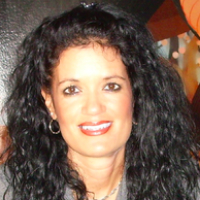
North Carolina · 21 yrs exp
Compassionate therapist focused on practical change
Stress, Anxiety · Grief · Eating · Depression · +12 more
Read profile
Florida · 20 yrs exp
Change-focused counselor with addiction experience
Stress, Anxiety · Addictions · Relationship · Self esteem · +16 more
Read profile
Georgia · 19 yrs exp
Supportive counselor for trauma and life stress
Stress, Anxiety · Relationship · Family · Trauma and abuse · +7 more
Read profile
New York · 13 yrs exp
Trauma-informed counselor focused on practical support
Relationship · Trauma and abuse · Grief · Self esteem · +9 more
Read profile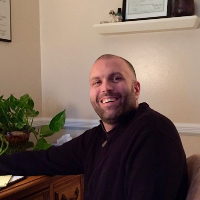
South Carolina · 14 yrs exp
Practical, goal-focused support for life transitions
Stress, Anxiety · Parenting · Depression · Addictions · +14 more
Read profile
North Carolina · 12 yrs exp
Practical therapy with a collaborative focus
Relationship · Family · Parenting · Self esteem · +7 more
Read profile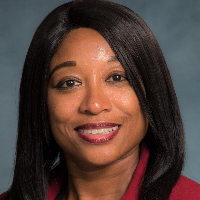
Georgia · 8 yrs exp
Warm, practical therapy for trauma and life stress
Stress, Anxiety · Relationship · Family · Grief · +11 more
Read profile
North Carolina · 28 yrs exp
Supporting growth through trauma and life changes
Stress, Anxiety · Addictions · LGBT · Depression · +12 more
Read profile
Florida · 25 yrs exp
Compassionate support for trauma and life transitions
Relationship · Trauma and abuse · Grief · Anger · +12 more
Read profile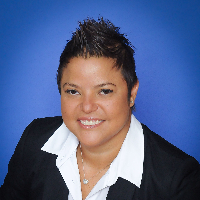
Florida · 21 yrs exp
Experienced counselor for trauma and addiction
Stress, Anxiety · Addictions · LGBT · Depression · +9 more
Read profile
Maryland · 6 yrs exp
Practical support for stress and trauma recovery
Stress, Anxiety · Trauma and abuse · Self esteem · Coping with life changes · +10 more
Read profile
Florida · 23 yrs exp
Practical, collaborative care for adults
Stress, Anxiety · Addictions · Self esteem · Depression · +10 more
Read profile
Maryland · 10 yrs exp
Compassionate counselor for trauma and life changes
Stress, Anxiety · Relationship · Family · Intimacy-related issues · +12 more
Read profile
North Carolina · 10 yrs exp
Compassionate clinical social worker blending faith and therapy
Stress, Anxiety · Relationship · Family · Bipolar · +16 more
Read profile
Virginia · 9 yrs exp
Compassionate counselor blending practical strategies
Stress, Anxiety · Relationship · Self esteem · Depression · +7 more
Read profile
Florida · 8 yrs exp
Compassionate practical therapy for life changes
Stress, Anxiety · Relationship · Family · Self esteem · +12 more
Read profile
New York · 9 yrs exp
Warm practical therapy for adults
Stress, Anxiety · Anger · Self esteem · Depression · +13 more
Read profile
Florida · 26 yrs exp
Experienced Florida therapist focused on healing
Stress, Anxiety · Relationship · Anger · Depression · +13 more
Read profileIf you are reading about self-esteem in the context of trauma and abuse, you are not alone in wondering how experiences of violence, accidents, or harmful relationships can affect how you see yourself. The aftermath of such events often includes shifts in self-worth, questions about identity, and patterns of self-criticism that can feel overwhelming. These experiences vary widely - some people notice sudden changes after a single event, while others see gradual shifts after ongoing stressors. You should give yourself permission to go at your own pace when exploring these questions in therapy.
When looking at therapist profiles, you will find many who list trauma and abuse as areas of focus alongside self-esteem. That listing indicates the clinician has chosen to highlight those topics, but it does not by itself describe specific training, licensure, or the exact scope of services. In practice conversations, it can help to describe the kinds of struggles you face, such as trust issues, self-blame, or difficulty accepting compliments, and to ask how a therapist typically supports people working on self-worth after distressing events.
If you are in immediate crisis, call 988 for the Suicide & Crisis Lifeline. If you are in immediate danger, call 911. If you have concerns about safety, consider reaching out to local emergency services or crisis lines before making therapeutic plans.
This directory groups professionals who note trauma and abuse on their profiles, and this page narrows that group to those who also list self esteem as a focus. That connection does not imply that trauma is the cause of every person s low self-esteem, nor does it mean every profile indicates the same kinds of experience or methods. Instead, the pairing on a profile signals that the clinician has chosen to communicate interest in both areas, which can be a starting point for conversation.
When considering whether a profile matches what you need, think about your primary concern and how self-esteem shows up in your life. For some people the main issue is learning to trust themselves after an assault or accident. For others it is managing long-standing self-criticism that predates a specific event. You can use the profile to identify therapists who mention areas that sound familiar, such as work on identity after trauma, body-image concerns, or coping with shame. Inquiries you make afterward can clarify whether the clinician has experience with issues that feel most relevant to you.
Remember that listing a focus area does not automatically mean a therapist works with every age group, relationship type, or cultural context. If you have particular needs related to family, couples work, or care for young people, discuss those directly with the clinician before beginning sessions.
When you review profiles, it helps to prepare concrete questions that will surface how a therapist approaches self-esteem and trauma-related concerns. You might ask how they describe the process they use to help people build a different relationship with their self-view, or how they work with emotions such as shame and anger. A useful question is how they tailor support when someone wants to move slowly versus when someone wants to focus on practical skills right away. These are practical prompts that invite detailed responses rather than slogans.
Profiles may list therapy approaches and modalities you have heard of. If you see a name like EMDR, somatic approaches, or narrative work on a profile, consider asking the therapist to explain what they mean by that term and how they incorporate it into sessions. Use language that emphasizes your needs - for example, ask how an approach would be applied specifically for self-esteem concerns after an unwanted event. Ask about the clinician s experience with populations or cultural identities that matter to you. When they describe their background, note academic degrees such as PhD, PsyD, MD, MA, or MSW and ask about their professional license or registration separately, because a degree does not automatically indicate current permission to practice in your state.
Direct questions about training and scope are appropriate. Ask whether they are licensed or registered to practice in your listed location, and whether they typically see people with the kinds of safety concerns you have. Avoid assuming that a listed approach equals a certified training; instead ask for specifics about experience, supervision, and how they stay current in clinical practice.
If you plan to connect online, there are practical topics to cover that help set expectations. Talk about whether the clinician is licensed or permitted to practice in your state or region and confirm the listed location applies to their service area. Ask how they handle technical interruptions, what platform or method they use for virtual meetings, and where they will consider you to be located for the purposes of professional permission. These are concrete logistical questions that protect both you and the therapist.
In addition to logistics, discuss communication preferences and boundaries. You can ask how they handle messaging between sessions, what to do if a session raises intense emotions, and how they recommend managing distress that comes up outside of appointments. It is reasonable to ask whether they provide referrals for urgent medical, legal, or social services rather than expecting them to provide those services themselves. If any part of your situation involves immediate safety concerns, remind yourself to call 988 for immediate mental health crisis support or 911 if you are in danger before seeking routine care.
Before you begin, you may want to ask about session structure and typical goals for people working on self-esteem. Some clinicians emphasize exploring personal history and meaning, while others focus more on skill-building or changing thought patterns. Asking how they might help you set short-term and longer-term goals gives you a clearer sense of whether their style fits your needs.
Comparing profiles is about matching the practical and interpersonal aspects of work to what you want. Look for language that resonates with your concerns - a profile that mentions shame, self-compassion, or identity work might align with someone who wants to address deep-seated patterns, while a profile that highlights coping strategies or behavioral changes may appeal if you want tools to manage daily life. Pay attention to stated languages and cultural competencies if communicating in a particular language or with cultural understanding matters to you.
When you evaluate credentials, keep academic degrees and professional licenses distinct. A PhD or PsyD tells you about education in psychology, an MD indicates a medical background, and degrees like MA or MSW denote graduate-level preparation in counseling or social work. Ask directly whether the clinician holds an active license or registration where you live. That verification helps ensure that the person is permitted to provide care in your jurisdiction.
Style matters as much as credentials. Profiles that describe a collaborative, gentle, or directive style give clues about what it might feel like to work with someone. If possible, read a couple of sample descriptions and then ask questions in an initial contact message about how sessions typically unfold. You can request examples of strategies they might use for a self-esteem concern without expecting guarantees. Ultimately, matching involves both concrete factors - language, licensure, listed location - and less tangible ones like rapport and comfort. Use the profile as a starting point for the conversations that will let you decide if a clinician might be the right fit for your current needs.
As you move from browsing to making contact, keep notes about which profiles raised useful questions and which descriptions felt aligned with your priorities. Prepare to inquire about licensure and permission to work in your listed location, and ask about any specific experience you want, such as working with survivors of certain forms of harm or with particular cultural communities. Remember that a listed focus does not prove specialized training, so asking about experience and approach will give you a clearer picture than assuming a label on a profile does all the work.
Take your time and prioritize pacing that feels manageable. Therapy is a collaborative process and you have the right to check in about the fit as you go. If you experience an urgent crisis at any point, call 988 for immediate mental health support, and call 911 if you are in immediate danger. When you are ready, use the profiles on this page to identify clinicians who mention the topics and languages you need, then reach out with the concrete questions suggested here to learn more.
Alabama
22 therapists
Alaska
3 therapists
Arizona
12 therapists
Arkansas
6 therapists
California
28 therapists
Colorado
12 therapists
Connecticut
8 therapists
Delaware
53 therapists
District of Columbia
37 therapists
Florida
1608 therapists
Georgia
569 therapists
Hawaii
7 therapists
Idaho
4 therapists
Illinois
20 therapists
Indiana
11 therapists
Iowa
6 therapists
Kansas
2 therapists
Kentucky
11 therapists
Louisiana
17 therapists
Maine
1 therapist
Maryland
251 therapists
Massachusetts
5 therapists
Michigan
15 therapists
Minnesota
3 therapists
Mississippi
7 therapists
Missouri
10 therapists
Nebraska
1 therapist
Nevada
6 therapists
New Hampshire
4 therapists
New Jersey
15 therapists
New Mexico
5 therapists
New York
29 therapists
North Carolina
612 therapists
North Dakota
1 therapist
Ohio
19 therapists
Oklahoma
5 therapists
Oregon
5 therapists
Pennsylvania
39 therapists
Rhode Island
1 therapist
South Carolina
301 therapists
Tennessee
16 therapists
Texas
49 therapists
Utah
7 therapists
Vermont
2 therapists
Virginia
284 therapists
Washington
4 therapists
West Virginia
44 therapists
Wisconsin
5 therapists
Wyoming
2 therapists