- Trauma and abuse
- Self-esteem work
- Anxiety relief
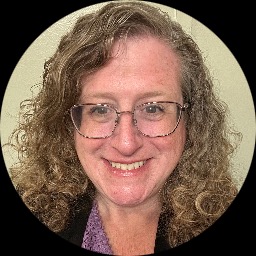
About Margaret
She uses approaches that help clients tell their story, spot unhelpful thinking, and build on existing strengths. Sessions focus on small, usable steps that fit day-to-day life. Conversations are collaborative and paced to what each person needs.
Margaret holds a Master of Science in Clinical Mental Health Counseling and is licensed as an LMHC in New York and an LPC in South Carolina. She has nine years of clinical experience working in community mental health settings. That work exposed her to a wide range of concerns, including mood and trauma-related issues, caregiver stress, substance use, and life transitions.
Her practice draws from Cognitive Behavioral Therapy and Acceptance and Commitment Therapy, alongside client-centered and emotionally-focused methods. She also uses motivational interviewing to support change when people feel stuck. These approaches are chosen to help clients build habits, manage strong feelings, and clarify personal values.
Margaret offers messaging, live chat, video, and phone contact as ways to connect. Prospective clients complete a short matching questionnaire and schedule sessions based on her calendar. She encourages people to reach out with questions about fit and scheduling before starting work together.
Therapeutic approaches and how online work can fit your life
Acceptance and Commitment Therapy (ACT) helps people notice thoughts without getting stuck in them and clarify what matters most. ACT can be useful for anxiety, depression, and coping with life changes by guiding values-based action. Cognitive Behavioral Therapy (CBT) focuses on identifying unhelpful thoughts and shifting behaviors. It is practical for anxiety, mood concerns, and building routines that reduce distress. Client-Centered Therapy emphasizes an empathic, respectful relationship where the therapist follows each person's pace and priorities.Finding the right approach is part of the process. The therapist will work collaboratively to choose methods that match your needs, goals, and preferences. Sessions can mix techniques so you get practical tools and supportive exploration together.
The therapist lists messaging, live chat, video sessions, and phone sessions as ways to connect, so you can pick what fits your schedule and comfort. If you need clarification about which session formats are currently offered, confirm options before booking. Online work can make it easier to fit therapy into a busy life, allow shorter check-ins when needed, and remove travel time so appointments are simpler to keep.
Frequently asked questions
What concerns does this therapist address?
She helps adults with stress, anxiety, depression, trauma and abuse, anger, grief, and related issues such as caregiver stress, addictions, and self-esteem.
What is her therapeutic style like?
Her style is warm and nonjudgmental. Sessions combine practical skill-building with exploration of personal values and life stories.
How much clinical experience does she have?
She has nine years of clinical experience working in community mental health settings with a variety of concerns and life stages.
What credentials does she hold and where is she based?
She holds LPC and LMHC credentials and is based in New York.
Which languages are supported for sessions?
Sessions are offered in English.
Can people outside the United States work with her?
She does not accept international clients at this time.
How are sessions scheduled and what is the cost structure?
Cost varies with location and therapist availability; sessions use a subscription that can be canceled at any time.
How do I begin working with her?
Select the Start Therapy button, complete a short matching questionnaire, and then schedule sessions according to the therapist's calendar.