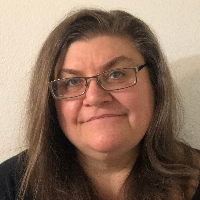
Wendi Cancilla
LMHCWashington · 24 yrs exp
Calm, practical therapy for life disruptions
Stress, Anxiety · Family · Trauma and abuse · Parenting · +11 more
Read profileNeed to talk now? Call or text 988
Therapist listings are provided by BetterHelp. We will earn a commission at no extra cost to you if you use our links to buy.
This page groups profiles under the listed location of Washington so you can compare therapists who identify trauma and abuse as areas of focus. Browse profiles to review approaches, credentials, languages, and professional background before reaching out.
Washington · 24 yrs exp
Calm, practical therapy for life disruptions
Stress, Anxiety · Family · Trauma and abuse · Parenting · +11 more
Read profile
Washington · 10 yrs exp
Trauma-informed counselor focused on strengths
Stress, Anxiety · Grief · Parenting · Coping with life changes · +11 more
Read profile
Washington · 13 yrs exp
Empathetic counselor focused on practical growth
Stress, Anxiety · Addictions · Self esteem · Depression · +12 more
Read profile
Washington · 8 yrs exp
Calm, practical support for trauma and life stress
Stress, Anxiety · Relationship · Family · Trauma and abuse · +1 more
Read profileWhen you are coping with the aftermath of abuse, violence, an accident, or another traumatic experience, it is normal to feel uncertain about where to begin. You may be looking for someone who understands the range of reactions people have - from intrusive memories and heightened startle responses to changes in mood, trust, or daily functioning. You do not need to have a formal diagnosis to seek help. The profiles on this site show therapists who list trauma and abuse among the topics they work with, which can help you find clinicians who mention relevant focus areas to discuss further.
It can be helpful to move at your own pace. You might start by noting what matters most to you right now - short-term symptom relief, understanding what happened, rebuilding relationships, or learning new coping skills - and use that as a guide when reading profiles. If you are in immediate danger, call 911. If you are thinking about suicide or need urgent emotional support, dial 988 for the Suicide & Crisis Lifeline. These resources are for crisis situations; for ongoing care, use the profile details to identify therapists whose listed focus aligns with your needs and then reach out to confirm whether they can work with you.
The directory groups profiles by the listed location of Washington. A listed location is a way the clinician has chosen to identify where they serve, but it does not itself prove an office, physical proximity, or current permission to practice in every part of that area. Check the individual profile and confirm permission to work together where you live before relying on a clinician for care across state lines or jurisdictions.
Academic degrees and professional licenses are different things. Degrees such as PhD, PsyD, MD, MA, and MSW indicate educational background. Licenses or registrations indicate whether a clinician has the legal authorization to practice in a given state. A degree alone does not establish current permission to practice. When you review a profile, look for both the clinician's academic credentials and the license or registration they list, and ask them directly about the status and scope of that license. If you are unsure about license titles or what they mean in Washington, ask the clinician to explain their credential and what it permits them to do where you live.
Profiles often mention approaches and modalities, and you can use those terms as starting points for conversation rather than as definitive proof of a particular qualification. For example, some therapists list EMDR among their approaches. It is appropriate to ask whether that clinician has experience using that approach with people who have had similar experiences to yours, how they describe their style in sessions, and how they tailor their work to different needs. You might ask what kinds of trauma the clinician most commonly works with, whether they have experience with the age group you belong to, and how they measure progress or adjust care over time.
Concrete questions can help you get clearer answers: Do they work with survivors of interpersonal violence, accidents, or complex developmental trauma? Which populations do they describe on their profile, such as adults, older adults, or specialty groups, keeping in mind that a listed topic does not establish treatment of children, couples, or families unless the profile states that explicitly? How do they incorporate therapeutic approaches they list, and what do they recommend when a person needs more symptom stabilization before exploring deeper memories? Asking these kinds of questions will help you understand whether a clinician's approach feels like a reasonable fit for your current goals.
If you are planning to work with someone online, plan to discuss practical and safety-related topics before beginning. Ask where the clinician is licensed to practice and whether they have permission to provide care to someone in your state or city. Confirm how they handle emergency situations if you are not in the same jurisdiction; this is not a substitute for calling 911 if you are in imminent danger. You should also confirm what kinds of communication channels they use, what you should do if a session is interrupted, and whether they require you to be in a private space during sessions for your own comfort and safety.
It is reasonable to ask how they handle issues like documentation, coordination with other professionals if needed, and what you can expect in early sessions in terms of assessment and goal-setting. You can talk about your preferences for session pacing, what helps you feel grounded, and any triggers you know about. These conversations are part of planning care that fits your needs and helps you set realistic expectations about the process. Remember that a profile helps you identify clinicians to contact, but a direct conversation will give you the clearest picture of how they work and whether it feels like a place where you can proceed at your own pace.
When you compare profiles, pay attention to focus areas and how they are described. Some clinicians write about specific populations they work with, such as survivors of intimate partner violence, first responders, or adults recovering from childhood adversity. Others emphasize symptom-focused work such as managing anxiety, nightmares, or physical tension after trauma. Profiles may list therapeutic approaches - and you should treat those as options to discuss rather than guarantees of a particular outcome. A helpful way to compare is to ask whether the clinician has worked with your kind of experience and what a typical early plan might include for someone with your goals.
Language and cultural considerations also matter. If you prefer to work in a language other than English, look for profiles that list the languages offered and then confirm fluency and comfort in a clinical context. Consider the tone of a profile and any clues about therapeutic style - some clinicians emphasize relational support and pacing, others highlight skill-building or structured approaches. Education details such as PhD, PsyD, MD, MA, or MSW tell you about training pathways, but follow up on licensure and current registration to ensure the clinician has permission to practice where you live. Finally, think about how each profile matches your priorities for approach, communication, and experience, and use the profile as an invitation to ask specific questions directly of the clinician before making a decision about next steps.
As you explore Washington profiles, remember to check the individual profile and confirm permission to work together where you live. If you find yourself in immediate danger, call 911. If you are in crisis or facing thoughts of self-harm, dial 988 for the Suicide & Crisis Lifeline. Use the profiles here to inform your questions and to find clinicians whose stated focus areas, languages, and background invite a conversation that meets you where you are.
Addictions
2219 therapists
Anger
2776 therapists
Depression
3814 therapists
Disaster Relief Therapy
976 therapists
Dissociation
578 therapists
Domestic Violence
1246 therapists
Grief
3022 therapists
Guilt and Shame
2594 therapists
Isolation / Loneliness
2363 therapists
Mood Disorders
2081 therapists
Panic Disorder and Panic Attacks
1821 therapists
Post-Traumatic Stress
2542 therapists
Self Esteem
3590 therapists
Sleeping Disorders
1037 therapists
Social Anxiety and Phobia
2250 therapists
Stress & Anxiety
4007 therapists
Trauma and Abuse
4184 therapists
Abandonment
1729 therapists
Attachment Issues
1744 therapists
Codependency
1662 therapists
Compassion Fatigue
2027 therapists
Coping with Life Changes
3303 therapists
Family
3004 therapists
Family of Origin Issues
1361 therapists
First Responder Issues
961 therapists
Forgiveness
2438 therapists
Relationship
3351 therapists
Self-Love
2684 therapists