
Anne Douglas
LMFTNorth Carolina · 25 yrs exp
Compassionate therapist for trauma and life change
Stress, Anxiety · Relationship · Family · Grief · +15 more
Read profileNeed to talk now? Call or text 988
Therapist listings are provided by BetterHelp. We will earn a commission at no extra cost to you if you use our links to buy.
This specialty page groups profiles of clinicians who list trauma and abuse along with Family of Origin Issues so you can compare relevant details. Browse profiles to review approaches, languages, credentials, and listed location as you decide who to contact.
North Carolina · 25 yrs exp
Compassionate therapist for trauma and life change
Stress, Anxiety · Relationship · Family · Grief · +15 more
Read profile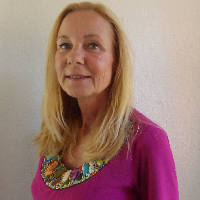
North Carolina · 30 yrs exp
Therapist specializing in trauma-informed care
Relationship · Parenting · Anger · Stress, Anxiety · +5 more
Read profile
California · 14 yrs exp
Insight-focused relational therapist
Stress, Anxiety · Relationship · Family · Intimacy-related issues · +9 more
Read profile
Texas · 13 yrs exp
Compassionate, skills-focused trauma care
Stress, Anxiety · Relationship · Trauma and abuse · Anger · +11 more
Read profile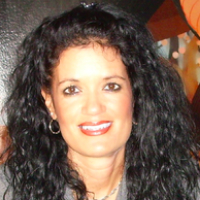
North Carolina · 21 yrs exp
Compassionate therapist focused on practical change
Stress, Anxiety · Grief · Eating · Depression · +12 more
Read profile
Florida · 20 yrs exp
Change-focused counselor with addiction experience
Stress, Anxiety · Addictions · Relationship · Self esteem · +16 more
Read profile
North Carolina · 28 yrs exp
Supporting growth through trauma and life changes
Stress, Anxiety · Addictions · LGBT · Depression · +12 more
Read profile
Florida · 25 yrs exp
Compassionate support for trauma and life transitions
Relationship · Trauma and abuse · Grief · Anger · +12 more
Read profile
North Carolina · 10 yrs exp
Compassionate clinical social worker blending faith and therapy
Stress, Anxiety · Relationship · Family · Bipolar · +16 more
Read profile
Florida · 10 yrs exp
Compassionate social worker focused on practical change
Stress, Anxiety · Addictions · Family · Grief · +8 more
Read profile
South Carolina · 36 yrs exp
Experienced therapist for trauma and life change
Stress, Anxiety · Addictions · Family · Trauma and abuse · +3 more
Read profile
Florida · 18 yrs exp
Compassionate counselor for trauma and life changes
Stress, Anxiety · Relationship · Grief · Depression · +12 more
Read profile
Florida · 30 yrs exp
Insightful counselor focused on lasting change
Stress, Anxiety · Relationship · Trauma and abuse · Depression · +14 more
Read profile
Florida · 15 yrs exp
Compassionate, skills-focused counseling for trauma and life challenges
Stress, Anxiety · Addictions · Trauma and abuse · Self esteem · +14 more
Read profile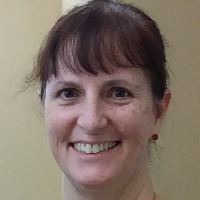
Florida · 32 yrs exp
Therapist focused on relationship and trauma recovery
Stress, Anxiety · Addictions · Relationship · Family · +13 more
Read profile
Florida · 20 yrs exp
Calm, practical support for trauma and life shifts
Addictions · Relationship · Trauma and abuse · Parenting · +14 more
Read profile
Virginia · 31 yrs exp
Experienced LCSW guiding life transition work
Stress, Anxiety · Relationship · Family · Trauma and abuse · +12 more
Read profile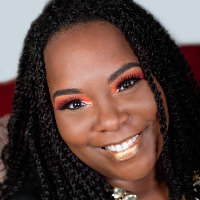
North Carolina · 30 yrs exp
Experienced LCSW guiding healing and practical change
LGBT · Relationship · Family · Trauma and abuse · +13 more
Read profile
Florida · 14 yrs exp
Compassionate LCSW helping people navigate trauma and stress
Stress, Anxiety · Trauma and abuse · Grief · Self esteem · +13 more
Read profile
Georgia · 17 yrs exp
Compassionate, practical support for life’s hard moments
Relationship · Family · Trauma and abuse · Career · +13 more
Read profile
Florida · 20 yrs exp
Calm, practical support for life’s hard moments
Stress, Anxiety · Grief · Self esteem · Depression · +9 more
Read profile
North Carolina · 10 yrs exp
Somatic-minded counselor for focused change
Stress, Anxiety · LGBT · Relationship · Coping with life changes · +13 more
Read profile
Florida · 24 yrs exp
Practical, empathetic counseling for life challenges
Stress, Anxiety · Addictions · Grief · Self esteem · +14 more
Read profile
Missouri · 17 yrs exp
Practical support for trauma and life transitions
Stress, Anxiety · Addictions · Relationship · Anger · +9 more
Read profileFamily of origin issues refer to patterns, roles, expectations, and relational dynamics learned in the family where you grew up. These patterns can shape how you relate to others, handle stress, and understand yourself. For many people, experiences in that family context include loss, conflict, boundary violations, or abuse; for others the struggles are subtler, such as chronic invalidation or enmeshed roles. Because this page groups clinicians who list trauma and abuse among their focus areas, it is natural to explore how family history and traumatic experiences can intersect. That link is not automatic - some people name family of origin concerns without identifying a traumatic event, and some people who have trauma in their history do not frame it around family dynamics. Either way, you can use profiles here to find clinicians who describe relevant focus areas and approaches that match how you want to work.
When you begin looking, think about the concerns you want to address. You might be trying to understand recurring relationship patterns, processing past boundary violations or abuse, or learning new ways to set limits with relatives. You may also be sorting through feelings tied to loss, shame, or ambivalence about family roles. It is okay to move at your own pace - sometimes an initial search is about finding a profile that feels understandable and approachable rather than about finding the perfect match. As you review profiles, pay attention to the language clinicians use to describe their focus areas and the populations they work with, because a listed topic on a profile does not establish that someone treats children, couples, or families. If at any point you are thinking about harming yourself or are in immediate danger, call 988 for mental health crisis support, and call 911 if you are in danger. These resources can connect you to immediate help; the directory does not provide emergency services.
When you contact a clinician, prepare concrete questions that help you understand how they work and whether their approach fits your needs. You can ask how they describe their experience with family of origin concerns and with trauma and abuse more generally. A useful question is whether they typically work with individuals, couples, or families, since a listed focus area does not guarantee a particular population. Ask about the kinds of approaches they use and what to expect in early sessions - for example you might say, "I see that you list narrative approaches, attachment-informed work, or that you list EMDR among your approaches; can you describe how you integrate those into care?" This phrasing avoids assuming training or certification and invites them to describe their practice in their own words. It is reasonable to ask how they handle triggering topics, what strategies they use to pace processing, and how they coordinate care with other providers if that would be helpful. You can also ask practical questions about session length and how they manage session boundaries, though the directory will not have current operational details and these matters are best clarified directly with the clinician.
If you plan to work remotely, there are specific points to review before beginning. Confirm whether the clinician is permitted to practice with clients in your location given licensing rules that vary by state and country; ask the clinician to explain their professional license and whether that license authorizes them to provide services to you at your listed location. Distinguish academic degrees from licensing status during that conversation - degrees such as PhD, PsyD, MD, MA, or MSW indicate educational background, but they do not alone establish a current license to practice. You should ask how the clinician handles technology and what steps they recommend to create a comfortable environment for sessions, including ensuring your own privacy at your end. Discuss how they will respond if you experience a crisis during a remote session and whether they have local emergency contacts or a protocol they will follow. Remember that this directory groups clinicians by topics they list; it does not provide clinical oversight or emergency response. If you are in immediate danger, call 911, and if you need urgent mental health support, call 988.
Profiles are most useful when you compare concrete items that matter to you. Look for clarity in how clinicians describe their focus areas and the populations they work with, and note whether Family of Origin Issues and trauma and abuse are listed together or separately. Consider languages spoken and whether a clinician lists work with specific cultural or identity-based communities, since shared language and cultural understanding can shape the therapeutic relationship. Review education and credentials listed on each profile, keeping in mind the difference between academic degrees and licenses or registrations - you can ask about licensing boards and the jurisdiction where the clinician is authorized to practice. Read any description of therapeutic style to see whether the clinician emphasizes exploratory work, skills-based strategies, relational repair, or other emphases, and frame comparison questions around how that style aligns with how you want to work. For example, you might compare two profiles by asking how each clinician frames their approach to pacing, what kinds of homework or between-session work they recommend, and how they attend to safety when discussing difficult memories. Use the listed location on profiles to estimate whether a clinician’s jurisdiction aligns with yours, but verify permission to practice directly with the clinician. Finally, remember that a listed topic or approach on a profile is an invitation to ask more - therapists who list EMDR among their approaches may or may not use it frequently, and the only way to know is to discuss it with them.
Browsing profiles is a first step toward finding a clinician whose descriptions and style resonate with you. Take your time, prepare a few focused questions for any clinician you contact, and verify the clinician’s license and authority to work with you in your location. If you are experiencing immediate danger or a mental health crisis, call 911 or 988 for urgent assistance.
Alabama
22 therapists
Alaska
3 therapists
Arizona
12 therapists
Arkansas
6 therapists
California
28 therapists
Colorado
12 therapists
Connecticut
8 therapists
Delaware
53 therapists
District of Columbia
37 therapists
Florida
1608 therapists
Georgia
569 therapists
Hawaii
7 therapists
Idaho
4 therapists
Illinois
20 therapists
Indiana
11 therapists
Iowa
6 therapists
Kansas
2 therapists
Kentucky
11 therapists
Louisiana
17 therapists
Maine
1 therapist
Maryland
251 therapists
Massachusetts
5 therapists
Michigan
15 therapists
Minnesota
3 therapists
Mississippi
7 therapists
Missouri
10 therapists
Nebraska
1 therapist
Nevada
6 therapists
New Hampshire
4 therapists
New Jersey
15 therapists
New Mexico
5 therapists
New York
29 therapists
North Carolina
612 therapists
North Dakota
1 therapist
Ohio
19 therapists
Oklahoma
5 therapists
Oregon
5 therapists
Pennsylvania
39 therapists
Rhode Island
1 therapist
South Carolina
301 therapists
Tennessee
16 therapists
Texas
49 therapists
Utah
7 therapists
Vermont
2 therapists
Virginia
284 therapists
Washington
4 therapists
West Virginia
44 therapists
Wisconsin
5 therapists
Wyoming
2 therapists