- Trauma and addictions
- Attachment and relationships
- Mindfulness and coping
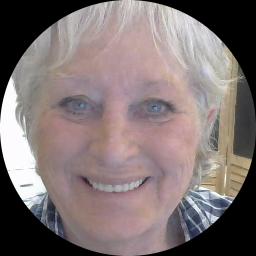
About Karen
Clients can expect straightforward, practical conversations. Karen listens and helps people name the problem. She uses clear tools so people can try new ways of coping and connecting between sessions. Sessions emphasize small steps people can use right away in daily life.
Her approach draws on attachment-focused ideas, client-centered listening, cognitive behavioral tools, dialectical skills, and emotionally focused work. That mix is used to address trauma, addiction, relationship patterns, and intense emotions like anger or shame. Mindfulness and compassion practices are offered when those fit a person's needs.
Karen's path to counseling began after a long career in nursing and many years as a military spouse. She has worked with adults around trauma and substance use for most of her career, and has several years' experience supporting people affected by incarceration and prison reentry.
Outside of clinical work she writes self-help materials and spends time reading, meditating or praying, gardening, and doing light daily exercise. Her lived experience as a caregiver and as a cancer survivor informs a practical, empathetic style in sessions.
How therapeutic approaches translate to online work
Attachment-Based Therapy looks at how early relationships affect current connections. Online sessions using attachment ideas help people notice patterns in how they relate and practice different ways of connecting. Cognitive Behavioral Therapy, or CBT, focuses on the links between thoughts, feelings, and actions, and teaches practical skills to manage anxiety, depression, and addictive urges. Emotionally-Focused Therapy centers on recognizing and expressing emotions to improve relationships and intimacy, and it can help people who struggle with closeness or recurring conflict.Finding the right approach is part of the work together. The therapist will talk with each person about goals, needs, and preferences and then recommend which methods to try first. Decisions about techniques are made collaboratively and can be adjusted as progress is made.
The therapist's biography does not list specific online session formats, so please confirm current session options before booking. Online therapy can make it easier to fit appointments into a busy week, shorten check-ins when needed, and reduce travel time. It also lets people use mindfulness or homework tools between meetings and try skills in everyday settings, which can speed learning and make changes more practical.
Frequently asked questions
What concerns does she address?
She supports people with stress, anxiety, addictions, trauma and abuse, grief, relationship and intimacy issues, parenting strain, self-esteem, depression, and related concerns.
How would you describe her therapy style?
Her style is practical and down-to-earth. She listens, helps name problems, and teaches concrete skills people can use between sessions.
What is her clinical background?
She has 17 years of counseling experience and previously worked for many years in nursing; she also has experience supporting people with prison reentry and families affected by incarceration.
What credentials and location are listed?
She holds LPC and LPCC credentials and practices in Missouri.
Which languages are offered and are international clients served?
Sessions are offered in English, and international clients are not currently accepted.
What session formats are available?
The original biography does not specify session formats, so please confirm current session options before booking.
How does pricing work?
Cost varies with location and therapist availability; sessions use a subscription model that can be canceled at any time.
How do I begin working with her?
Start by selecting the Start Therapy button, completing a short matching questionnaire, and then scheduling based on the therapist's availability.