
Aisha Simons
LPCGeorgia · 20 yrs exp
Practical, culturally aware therapy for healing
Stress, Anxiety · Addictions · Relationship · Self esteem · +12 more
Read profileNeed to talk now? Call or text 988
Therapist listings are provided by BetterHelp. We will earn a commission at no extra cost to you if you use our links to buy.
This page groups profiles listed under the Georgia location that include trauma and abuse among their specialties. You can compare credentials, approaches, languages and focus areas to narrow options, then browse individual profiles to learn more.
Georgia · 20 yrs exp
Practical, culturally aware therapy for healing
Stress, Anxiety · Addictions · Relationship · Self esteem · +12 more
Read profile
Georgia · 19 yrs exp
Supportive counselor for trauma and life stress
Stress, Anxiety · Relationship · Family · Trauma and abuse · +7 more
Read profile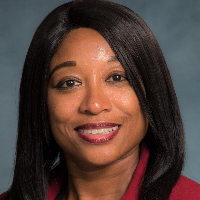
Georgia · 8 yrs exp
Warm, practical therapy for trauma and life stress
Stress, Anxiety · Relationship · Family · Grief · +11 more
Read profile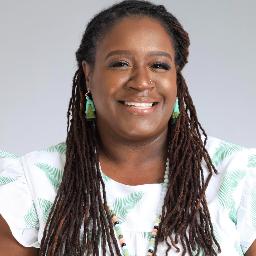
Georgia · 14 yrs exp
Compassionate therapist for trauma recovery and life transitions
Stress, Anxiety · LGBT · Trauma and abuse · Anger · +9 more
Read profile
Georgia · 19 yrs exp
Compassionate counselor for trauma and life challenges
Stress, Anxiety · Addictions · Trauma and abuse · Self esteem · +11 more
Read profile
Georgia · 25 yrs exp
Compassionate social worker for life changes
Stress, Anxiety · Parenting · Anger · Self esteem · +15 more
Read profile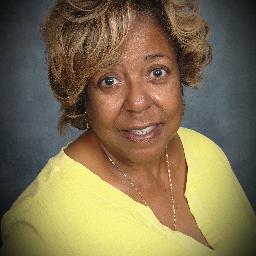
Georgia · 17 yrs exp
Compassionate, practical support for life’s hard moments
Relationship · Family · Trauma and abuse · Career · +13 more
Read profile
Georgia · 11 yrs exp
Practical, steady help for trauma and mood concerns
Addictions · Relationship · Trauma and abuse · Bipolar · +1 more
Read profile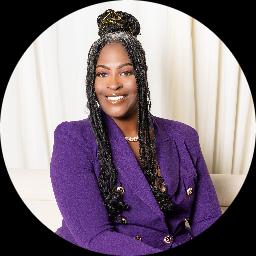
Georgia · 20 yrs exp
Warm, practical therapy for trauma and life stressors
Stress, Anxiety · Addictions · Relationship · Trauma and abuse · +11 more
Read profile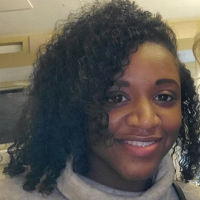
Georgia · 10 yrs exp
Faith-informed counselor using CBT and motivational interviewing
Stress, Anxiety · Anger · Self esteem · Depression · +10 more
Read profile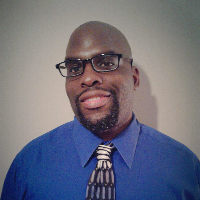
Georgia · 15 yrs exp
Compassionate counselor for life’s hard transitions
Stress, Anxiety · Relationship · Family · Grief · +11 more
Read profile
Georgia · 18 yrs exp
Practical, goal-focused counseling for life stressors
Stress, Anxiety · Trauma and abuse · Self esteem · Depression · +7 more
Read profile
Georgia · 12 yrs exp
Compassionate counselor for trauma and change
LGBT · Relationship · Bipolar · Coping with life changes · +6 more
Read profile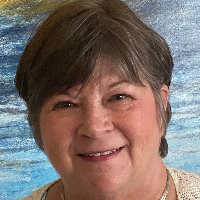
Georgia · 29 yrs exp
Compassionate counselor for trauma and life change
Stress, Anxiety · Self esteem · Depression · Coping with life changes · +13 more
Read profile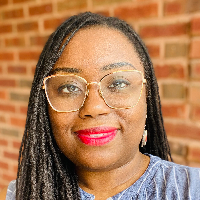
Georgia · 10 yrs exp
Compassionate care for trauma and life change
Stress, Anxiety · Family · Trauma and abuse · Depression · +11 more
Read profile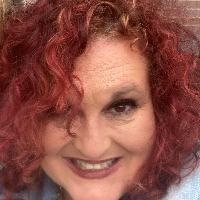
Georgia · 34 yrs exp
Empathetic, direct counseling for real life
Stress, Anxiety · Addictions · Anger · Self esteem · +12 more
Read profile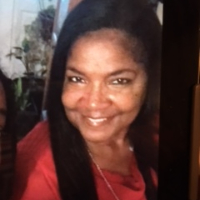
Georgia · 9 yrs exp
Trauma-aware counselor focused on practical tools
Stress, Anxiety · Anger · Self esteem · Bipolar · +11 more
Read profile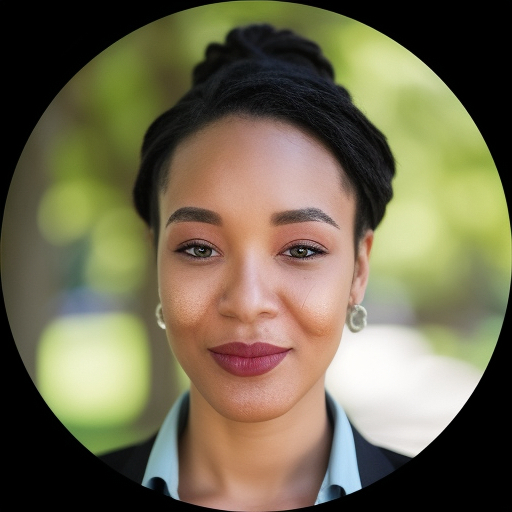
Georgia · 7 yrs exp
Compassionate guidance through life transitions
Stress, Anxiety · Trauma and abuse · Self esteem · Depression · +10 more
Read profile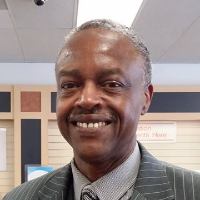
Georgia · 31 yrs exp
Experienced LCSW focused on practical healing
Stress, Anxiety · Addictions · Trauma and abuse · Bipolar · +11 more
Read profile
Georgia · 3 yrs exp
Practical support for trauma and life stressors
Stress, Anxiety · Relationship · Family · Trauma and abuse · +7 more
Read profile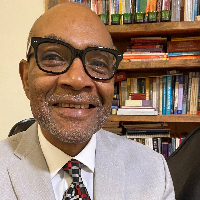
Georgia · 25 yrs exp
Calm, steady support through life’s hardest moments
Stress, Anxiety · Trauma and abuse · Grief · Self esteem · +13 more
Read profile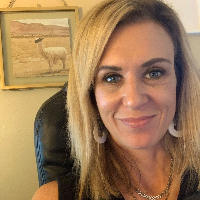
Georgia · 18 yrs exp
Practical, person-focused counseling in Georgia
Stress, Anxiety · Relationship · Family · Parenting · +16 more
Read profile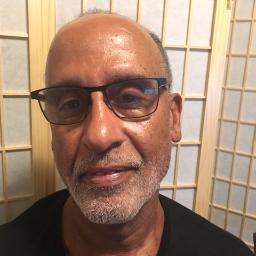
Georgia · 35 yrs exp
Trusted LCSW focused on trauma and life challenges
Stress, Anxiety · Relationship · Family · Parenting · +12 more
Read profile
Georgia · 20 yrs exp
Practical support for life transitions and trauma
Stress, Anxiety · Relationship · Career · Depression · +13 more
Read profileWhen you begin searching for help after abuse, violence, an accident or another traumatic event, clarity about your own needs helps you focus. Think about the outcomes you care about most - whether that is reducing intrusive memories, managing strong emotions, rebuilding trust in relationships, or simply finding a clinician who listens and makes you feel heard. Also consider practical factors that affect whether you will engage with care, such as preferred language, whether you want in-person or remote sessions, and whether you want a clinician who has experience with your age group or cultural background. Your priorities will shape which profiles feel like reasonable starting points.
Take your time reviewing profile descriptions. Profiles are written summaries that often list areas of focus and the approaches a clinician uses. A trauma specialty on a profile indicates that a clinician lists trauma and abuse among their topics of work, but it is not evidence of a specific qualification, certification, or an exact method used in every session. Use the profile as an invitation to ask clarifying questions about experience, day-to-day practice, and how a clinician tends to work with people who have faced similar events.
Profiles are grouped under the listed location Georgia, but that grouping alone does not prove an on-site office, physical proximity, or current permission to practice in every part of the state. You should check each individual profile carefully and confirm directly with the clinician that they have authorization to work with you where you live. Licensing and registration rules vary by jurisdiction, and a profile may reflect a range of circumstances about service delivery.
Academic degrees and professional licenses mean different things. Degrees such as PhD, PsyD, MD, MA and MSW describe the educational credentials someone has earned. Licenses and registrations indicate the professional permission to provide mental health care in a particular place. A degree alone does not establish current permission to practice. When you review a profile, look for explicit statements about licensure or registration and ask for confirmation of current standing in Georgia if that is important to you. If you encounter abbreviations on a profile that you do not recognize, asking a direct question can clear up whether those credentials indicate state-level permission to provide care.
Profiles often list therapeutic approaches and areas of focus. Rather than assuming any single approach will be used, ask how a clinician typically integrates different methods with people who have experienced trauma. You can ask whether they have worked with people who have had similar kinds of experiences and what kinds of strategies they find useful in the early weeks of care. If a profile mentions specific approaches you have heard of - for example, EMDR or trauma-focused cognitive behavioral methods - the accurate way to phrase a question is to ask whether the clinician lists those approaches among their tools and how they decide which tools to use with each person.
Concrete questions help you evaluate fit. Ask how the clinician helps people manage intense emotions during a session, what supports they suggest between meetings, and how they measure progress. You may also want to ask whether they have experience addressing the intersection of trauma with other concerns such as substance use, medical problems, or legal stressors. Remember that a profile note of trauma or abuse is not a guarantee of specific training in a named therapy, so your conversation should focus on the clinician's practical experience and typical ways of working rather than on assumed certifications.
If you are considering remote sessions or in-person meetings in Georgia, it is helpful to raise logistical topics early. Ask what modes of contact the clinician uses for appointments, what platform they use for remote sessions, and how they handle appointment scheduling and rescheduling. You should also ask about how records and documentation are managed and what to expect for cancellations and follow-up. These practical details can reduce friction when you begin and help you feel more confident making the first appointment.
It is important to go at your own pace. Let a potential clinician know if you need time to think after an initial conversation, whether you prefer slower-paced exploration or a more directive style, and what kinds of boundaries you need around session content. If you are considering remote care across state lines, confirm that the clinician has permission to work with you in your state and that you will be covered under the appropriate jurisdictional rules. If you are in immediate danger, call 911. If you are thinking about harming yourself, call or text 988 for the Suicide & Crisis Lifeline. Those resources are intended for urgent safety needs; discussions with a clinician about ongoing support and options should still proceed at a pace that feels manageable for you.
When you compare profiles, look beyond headline phrases and read the details that clarify a clinician's focus and style. Focus areas on profiles may name broad topics such as complex trauma, intimate partner violence, or accident-related injuries. Consider which focus labels reflect the kinds of issues you want to address. Language skills are an important practical consideration. If a profile lists working in another language, ask whether sessions will be held directly in that language or whether interpretation support is used. Language match can be a strong factor in whether you feel understood and comfortable sharing difficult material.
Credentials and years of experience are part of the picture, but they do not tell the whole story. Compare degrees like PhD or MD to the clinician's stated licensure and to any statements about the populations they typically serve. Pay attention to how a profile describes interactional style - whether the clinician emphasizes collaborative goal setting, skills teaching, narrative work, or bodily-based approaches - and ask for examples of how that style shows up in an early session. If a profile mentions particular approaches, such as therapists who list EMDR among their approaches or those who include somatic-oriented work, ask how those approaches are offered in practice and whether they are combined with other supports. That conversation will give you a clearer sense of how a clinician might work with you day to day.
Ultimately, profiles are starting points. Use them to form questions and to identify clinicians whose language and stated interests align with your needs. Confirm licensure and permission to work with you in Georgia by checking each profile and following up directly. Take the time you need to feel comfortable contacting a clinician, and remember that asking direct, concrete questions about practice, logistics, and experience is both reasonable and helpful as you look for a fit that supports your healing journey.
Profiles on this site list trauma and abuse among clinician specialties, but that listing is not evidence of a particular training or of specific services. Verify information on each profile and discuss your needs and goals when you reach out. If you are in immediate danger, call 911. If you are thinking about harming yourself, call or text 988 for immediate support.
Addictions
2219 therapists
Anger
2776 therapists
Depression
3814 therapists
Disaster Relief Therapy
976 therapists
Dissociation
578 therapists
Domestic Violence
1246 therapists
Grief
3022 therapists
Guilt and Shame
2594 therapists
Isolation / Loneliness
2363 therapists
Mood Disorders
2081 therapists
Panic Disorder and Panic Attacks
1821 therapists
Post-Traumatic Stress
2542 therapists
Self Esteem
3590 therapists
Sleeping Disorders
1037 therapists
Social Anxiety and Phobia
2250 therapists
Stress & Anxiety
4007 therapists
Trauma and Abuse
4184 therapists
Abandonment
1729 therapists
Attachment Issues
1744 therapists
Codependency
1662 therapists
Compassion Fatigue
2027 therapists
Coping with Life Changes
3303 therapists
Family
3004 therapists
Family of Origin Issues
1361 therapists
First Responder Issues
961 therapists
Forgiveness
2438 therapists
Relationship
3351 therapists
Self-Love
2684 therapists