
Anne Douglas
LMFTNorth Carolina · 25 yrs exp
Compassionate therapist for trauma and life change
Stress, Anxiety · Relationship · Family · Grief · +15 more
Read profileNeed to talk now? Call or text 988
Therapist listings are provided by BetterHelp. We will earn a commission at no extra cost to you if you use our links to buy.
Compare profiles of therapists who list Sleeping Disorders alongside trauma and abuse to find clinicians whose focus areas, approaches, credentials and languages match your needs. Browse listed profiles to read about specialties and listed location, then reach out to discuss whether a therapist may be a good fit for your goals.
North Carolina · 25 yrs exp
Compassionate therapist for trauma and life change
Stress, Anxiety · Relationship · Family · Grief · +15 more
Read profile
Texas · 20 yrs exp
Experienced counselor focused on practical change
Stress, Anxiety · LGBT · Relationship · Self esteem · +16 more
Read profile
Texas · 13 yrs exp
Compassionate, skills-focused trauma care
Stress, Anxiety · Relationship · Trauma and abuse · Anger · +11 more
Read profile
North Carolina · 21 yrs exp
Compassionate therapist focused on practical change
Stress, Anxiety · Grief · Eating · Depression · +12 more
Read profile
Florida · 20 yrs exp
Change-focused counselor with addiction experience
Stress, Anxiety · Addictions · Relationship · Self esteem · +16 more
Read profile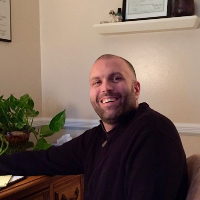
South Carolina · 14 yrs exp
Practical, goal-focused support for life transitions
Stress, Anxiety · Parenting · Depression · Addictions · +14 more
Read profile
Florida · 25 yrs exp
Compassionate support for trauma and life transitions
Relationship · Trauma and abuse · Grief · Anger · +12 more
Read profile
North Carolina · 10 yrs exp
Compassionate clinical social worker blending faith and therapy
Stress, Anxiety · Relationship · Family · Bipolar · +16 more
Read profile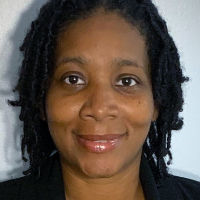
Florida · 13 yrs exp
Compassionate counselor focused on practical change
Stress, Anxiety · Anger · Depression · Coping with life changes · +13 more
Read profile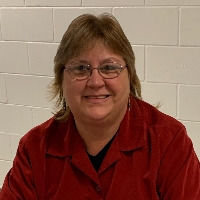
Florida · 3 yrs exp
Warm, goal-focused counseling for trauma and life stressors
Stress, Anxiety · Family · Trauma and abuse · Self esteem · +15 more
Read profile
Florida · 30 yrs exp
Practical, respectful therapy for trauma and life struggles
Stress, Anxiety · Trauma and abuse · Bipolar · Depression · +16 more
Read profile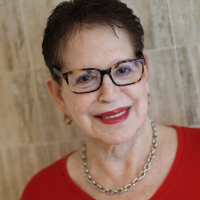
Florida · 18 yrs exp
Compassionate counselor for trauma and life changes
Stress, Anxiety · Relationship · Grief · Depression · +12 more
Read profile
Florida · 30 yrs exp
Insightful counselor focused on lasting change
Stress, Anxiety · Relationship · Trauma and abuse · Depression · +14 more
Read profile
Florida · 15 yrs exp
Compassionate, skills-focused counseling for trauma and life challenges
Stress, Anxiety · Addictions · Trauma and abuse · Self esteem · +14 more
Read profile
Georgia · 19 yrs exp
Compassionate counselor for trauma and life challenges
Stress, Anxiety · Addictions · Trauma and abuse · Self esteem · +11 more
Read profile
North Carolina · 15 yrs exp
Supportive counselor focused on practical healing
Stress, Anxiety · Relationship · Anger · Depression · +12 more
Read profile
Florida · 22 yrs exp
Calm, practical support for life's hard moments
Stress, Anxiety · Self esteem · Depression · Coping with life changes · +5 more
Read profile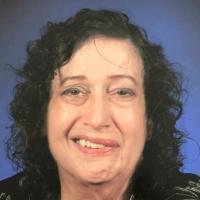
Florida · 30 yrs exp
Practical, goal-focused care for life challenges
Stress, Anxiety · Grief · Anger · Depression · +15 more
Read profile
New Jersey · 20 yrs exp
Compassionate, practical therapy for trauma and life changes
Stress, Anxiety · Addictions · Parenting · Self esteem · +7 more
Read profile
Florida · 20 yrs exp
Calm, practical support for trauma and life shifts
Addictions · Relationship · Trauma and abuse · Parenting · +14 more
Read profile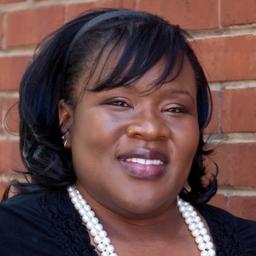
North Carolina · 11 yrs exp
Practical support for anxiety and life changes
Stress, Anxiety · Addictions · Family · Trauma and abuse · +10 more
Read profile
Florida · 17 yrs exp
Compassionate counselor blending mind and body care
Stress, Anxiety · Trauma and abuse · Eating · Self esteem · +14 more
Read profile
Georgia · 25 yrs exp
Compassionate social worker for life changes
Stress, Anxiety · Parenting · Anger · Self esteem · +15 more
Read profile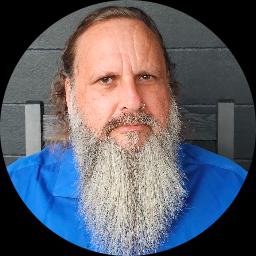
Florida · 14 yrs exp
Compassionate LCSW helping people navigate trauma and stress
Stress, Anxiety · Trauma and abuse · Grief · Self esteem · +13 more
Read profileWhen sleep problems begin to affect your day-to-day life you may be looking for help that addresses both the symptoms and the circumstances that surround them. Sleeping Disorders can include difficulty falling asleep, staying asleep, frequent awakenings, nightmares, or nonrestorative sleep. You may notice changes in mood, concentration, energy and motivation that follow disrupted sleep. You are likely searching for a therapist who understands both sleep-related concerns and the kinds of stressors or events that preceded them.
As you read profiles, think about the specific ways your sleep is affected. Do you wake early and cannot return to sleep? Do you have recurring distressing dreams? Is your sleep disrupted by physiological symptoms such as racing heart or sweating when trying to fall asleep? Clear descriptions will help you compare clinicians who list Sleeping Disorders among their focus areas so you can prioritize profiles to explore further. Keep in mind that a listed focus is an indication that a therapist includes sleep issues in their work, not evidence of certification in a sleep specialty.
Trauma and abuse can be factors that appear alongside sleep disruptions, but there is no single pattern that applies to everyone. For some people the aftermath of violence, accidents, or other traumatic events can coincide with nightmares, hyperarousal that makes relaxation and sleep difficult, or an increase in vigilance that interrupts rest. For others, sleep problems emerge without a clear connection to a past event. You do not need to have a definite cause before looking for support; you can prioritize the symptoms that matter most to you.
When profiles mention trauma and abuse together with Sleeping Disorders, that signals therapists who have chosen to include both areas in their stated focus. This does not imply a particular training credential or that the therapist provides medical assessment. If you are concerned about overlapping medical issues - such as breathing problems, medication side effects, or a need for a sleep study - you may want to ask a prospective clinician how they coordinate with medical providers or whether they recommend seeking a medical evaluation first. Always proceed at your own pace and seek immediate help if you are in danger - call 911. If you are experiencing an emotional crisis in the United States, you can call or text 988 for support.
Profiles can give you a starting point for concrete questions to ask when you contact a therapist. Ask whether they have experience working with clients who describe the specific sleep problems you face, such as nightmares, insomnia, or fragmented sleep. You can inquire about the approaches they list - for example, whether they mention cognitive behavioral approaches, mindfulness-based methods, relaxation training, or whether they are therapists who list EMDR among their approaches - and ask how those approaches have been adapted for sleep-related concerns. Phrase questions so you get specific examples rather than general statements.
Distinguish academic degrees from professional licensure as you compare profiles. Degrees such as PhD, PsyD, MD, MA, or MSW describe formal academic training. Licenses and professional credentials such as LCSW, LPC, LMFT, or psychologist licenses are the permissions that determine whether a clinician can practice independently in a given jurisdiction. A degree alone does not establish current permission to practice. Ask where the therapist is licensed and whether they are authorized to work with you in your listed location if you plan to meet online from a different state or region. Also ask about languages offered and any population groups they highlight in profiles so you can assess cultural and linguistic fit.
Before you initiate remote sessions, discuss practical matters that matter to your comfort and sense of safety. Confirm the therapist's stated approaches and how they typically structure early sessions for sleep concerns - whether they begin with an assessment of sleep patterns, use sleep diaries, or focus first on stress and coping strategies. Ask how they track progress and how long they typically work on sleep-related goals, remembering that every therapist and client relationship is unique.
Talk about coordination with other professionals if you take medication or are under a physician's care. You can ask whether the clinician is accustomed to communicating with prescribers with your permission. Clarify appointment logistics including the platforms used, what you should do if a session is interrupted, and what the therapist's practice guidelines say about working across state lines. These are practical conversations that help you understand whether a profile's listed information matches your needs. If you believe you are in immediate danger, call 911; for emotional crises in the United States, call or text 988. These resources are available regardless of whether you are already in contact with a therapist.
As you move through profiles, use focused comparisons rather than broad impressions. Read about the focus areas they list and consider whether the therapist names specific sleep difficulties and trauma-related concerns that align with your experience. Note the languages they list so you can choose someone who communicates in your preferred language. Pay attention to the way clinicians describe their theoretical approaches - whether they reference behavioral strategies for sleep, relaxation and breathing work, cognitive approaches that address unhelpful beliefs about sleep, or whether they are therapists who list EMDR among their approaches - and think about which descriptions feel like a potential match.
Examine credentials carefully and ask follow-up questions when a profile lists degrees such as PhD, PsyD, MD, MA, or MSW. These indicate educational background. Then verify professional licensure and permission to practice in your location, as licensure determines whether a clinician can legally provide care in a given jurisdiction. Profiles may also note special populations or clinical interests; these can help you assess whether a therapist commonly works with people who have experienced abuse, violence, or other types of trauma, but they do not replace a conversation about the therapist's actual scope of practice. Finally, consider the tone and language of a profile. Some clinicians emphasize a structured, skills-focused style, while others emphasize emotional processing and exploration. Choosing a style that aligns with your preferences can make it easier to engage in the work.
Finding care for Sleeping Disorders in the context of trauma or abuse is a personal process that benefits from clear questions and careful comparison. Use profiles to identify clinicians whose stated focus areas, approaches, language options and listed location fit your needs, and reach out to discuss specifics before making a decision. Remember to verify license and permission to practice in your location, go at your own pace, and seek immediate assistance by calling 911 if you are in danger or calling or texting 988 in the United States for urgent emotional support.
Alabama
22 therapists
Alaska
3 therapists
Arizona
12 therapists
Arkansas
6 therapists
California
28 therapists
Colorado
12 therapists
Connecticut
8 therapists
Delaware
53 therapists
District of Columbia
37 therapists
Florida
1608 therapists
Georgia
569 therapists
Hawaii
7 therapists
Idaho
4 therapists
Illinois
20 therapists
Indiana
11 therapists
Iowa
6 therapists
Kansas
2 therapists
Kentucky
11 therapists
Louisiana
17 therapists
Maine
1 therapist
Maryland
251 therapists
Massachusetts
5 therapists
Michigan
15 therapists
Minnesota
3 therapists
Mississippi
7 therapists
Missouri
10 therapists
Nebraska
1 therapist
Nevada
6 therapists
New Hampshire
4 therapists
New Jersey
15 therapists
New Mexico
5 therapists
New York
29 therapists
North Carolina
612 therapists
North Dakota
1 therapist
Ohio
19 therapists
Oklahoma
5 therapists
Oregon
5 therapists
Pennsylvania
39 therapists
Rhode Island
1 therapist
South Carolina
301 therapists
Tennessee
16 therapists
Texas
49 therapists
Utah
7 therapists
Vermont
2 therapists
Virginia
284 therapists
Washington
4 therapists
West Virginia
44 therapists
Wisconsin
5 therapists
Wyoming
2 therapists