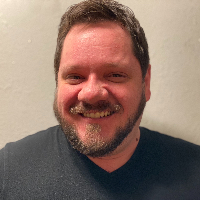
Brandon Bunker
LCMHC, LPCUtah · 11 yrs exp
Compassionate therapist for trauma and relationships
Stress, Anxiety · LGBT · Relationship · Trauma and abuse · +9 more
Read profileNeed to talk now? Call or text 988
Therapist listings are provided by BetterHelp. We will earn a commission at no extra cost to you if you use our links to buy.
This page groups therapist profiles under the listed location Utah so you can explore professionals who list trauma and abuse among their specialties. Compare focus areas, approaches, credentials, languages and therapeutic style, then open profiles below and confirm with each clinician that they can work with you where you live.
Utah · 11 yrs exp
Compassionate therapist for trauma and relationships
Stress, Anxiety · LGBT · Relationship · Trauma and abuse · +9 more
Read profile
Utah · 20 yrs exp
Supportive clinician focused on practical change
Stress, Anxiety · Trauma and abuse · Grief · Self esteem · +14 more
Read profile
Utah · 11 yrs exp
Centered practical support for life and trauma
Family · Trauma and abuse · Anger · Self esteem · +10 more
Read profile
Utah · 22 yrs exp
Compassionate therapy for life’s challenges
Stress, Anxiety · Addictions · Relationship · Grief · +13 more
Read profile
Utah · 21 yrs exp
Therapist focused on trauma recovery and coping
Stress, Anxiety · Trauma and abuse · Parenting · Depression · +13 more
Read profile
Utah · 15 yrs exp
Experienced therapist combining outdoor life and clinical care
Relationship · Family · Grief · Parenting · +12 more
Read profile
Utah · 17 yrs exp
Compassionate therapist for trauma and addiction recovery
Stress, Anxiety · Addictions · Family · Trauma and abuse · +1 more
Read profileIf you are seeking help after abuse, violence, an accident or another distressing event, you may be coping with a wide range of effects - intense memories, changes in sleep, emotional reactivity, trouble concentrating, or shifts in relationships. These reactions are common responses to overwhelming events, and people pursue professional support for many reasons. As you look through profiles in Utah, go at your own pace. You do not need to disclose everything at once and you can decide what feels manageable to share when you reach out.
When you feel unsafe or in immediate danger, call 911. For suicidal crisis or other urgent mental health needs, call or text 988. Therapists listed on this directory are not a replacement for emergency services. Use the profiles to learn who lists trauma and abuse among their specialties and to prepare questions that address your practical needs and personal comfort.
The directory groups profiles under the listed location Utah to help you narrow searches by geography, but a listed location does not by itself confirm an office address, license status, or permission to work with you there. You should open any profile that looks relevant and confirm directly with the clinician whether they are permitted to provide services to you in your state and in your situation.
Profiles often show academic degrees and may also describe professional licenses. Academic degrees such as PhD, PsyD, MD, MA and MSW indicate completed educational programs. A degree alone does not indicate current permission to practice. Licenses and registrations are issued by state boards and carry different legal meanings. When you review a profile, look for language that specifies a license type and then verify that information through the appropriate state licensing board or by asking the clinician to confirm their current license and the scope of practice it allows.
When you contact a clinician, having specific questions will help you compare profiles in a meaningful way. You might ask which types of traumatic experiences they have worked with, and whether they have experience with circumstances similar to yours. If a profile lists particular approaches, ask for more detail - for example, you can say "I see you list EMDR among your approaches - can you tell me how you typically use that approach and what training or experience you have with it?" That phrasing acknowledges the profile entry without assuming credentialing or outcomes.
Other questions you can raise include the age groups and cultural backgrounds the clinician commonly works with, the languages they speak, and how they describe their therapeutic style - more directive, exploratory, skills-focused or relational. Ask how they define progress and what working together usually looks like for a person with trauma-related concerns. These conversations give you a clearer sense of fit and help you decide which profiles to pursue further.
If you are considering online or remote sessions with a clinician listed in Utah, confirm practical and safety-related details up front. Ask whether the clinician is authorized to work with you in your state and confirm any limits the regulatory environment places on remote care. Talk about communication preferences for scheduling and questions between sessions, and clarify the technology requirements for video or phone work so you know what to prepare on your end.
Because clinicians on this site are not emergency responders, discuss how they handle crisis situations and what they recommend you do if you need immediate help. Make a plan that includes local contacts where you live as well as national resources - call 911 if you are in immediate danger and call or text 988 for suicidal crisis or mental health emergencies. Also ask about recordkeeping and privacy practices so you understand how your information is handled, and discuss any boundaries that matter to you about session content, frequency and communication.
As you move from one profile to another, focus on the concrete differences that affect your experience. Some clinicians emphasize certain focus areas within trauma and abuse, such as survivors of intimate partner violence, sexual assault, or traumatic loss. Others highlight work with first responders, military-related trauma, or the impacts of long-term neglect. Look for wording that aligns with your needs and consider whether the clinician describes experience with people who share aspects of your identity, life stage or cultural background.
Language is another key factor. If you prefer a therapist who speaks a language other than English, select profiles that list that language and ask about the clinician’s comfort level discussing trauma in that language. For therapeutic approaches, remember that a profile entry is a starting point. Therapists who list EMDR among their approaches or who list trauma-focused CBT among their approaches may use those options differently, so ask how they choose methods and how they tailor work to each person. Finally, compare how clinicians describe their therapeutic style - whether they emphasize skills, processing, relational exploration or structured interventions - and consider which style feels most likely to help you engage and feel understood.
When you find profiles that seem like a fit, reach out with focused questions and confirm the clinician's permission to work with you in your location. Keep in mind that no profile guarantees a match, but thoughtful comparison helps you find clinicians whose training, experience and style align with what you need right now. Take your time and trust your judgement about who feels like a safe person to talk with as you begin or continue your healing journey.
Addictions
2219 therapists
Anger
2776 therapists
Depression
3814 therapists
Disaster Relief Therapy
976 therapists
Dissociation
578 therapists
Domestic Violence
1246 therapists
Grief
3022 therapists
Guilt and Shame
2594 therapists
Isolation / Loneliness
2363 therapists
Mood Disorders
2081 therapists
Panic Disorder and Panic Attacks
1821 therapists
Post-Traumatic Stress
2542 therapists
Self Esteem
3590 therapists
Sleeping Disorders
1037 therapists
Social Anxiety and Phobia
2250 therapists
Stress & Anxiety
4007 therapists
Trauma and Abuse
4184 therapists
Abandonment
1729 therapists
Attachment Issues
1744 therapists
Codependency
1662 therapists
Compassion Fatigue
2027 therapists
Coping with Life Changes
3303 therapists
Family
3004 therapists
Family of Origin Issues
1361 therapists
First Responder Issues
961 therapists
Forgiveness
2438 therapists
Relationship
3351 therapists
Self-Love
2684 therapists