- Trauma and abuse support
- Eating and body concerns
- Grief and loss
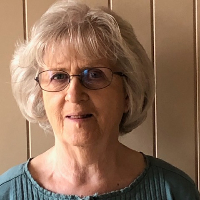
About Carolyn
Her approach is straightforward and conversational. She uses evidence-based tools such as cognitive behavioral ideas, Acceptance and Commitment Therapy, and client-centered listening to help people notice patterns and try different responses. Mindfulness practices and elements of the Gottman Method appear when relationship work is needed.
Carolyn’s background includes work in nutrition and health education, which shapes a holistic view of well-being. She understands how medical issues, body image, and eating concerns can affect mood and daily functioning. That experience also informs support for people navigating chronic illness and end-of-life topics.
She prefers a process-oriented style that invites insight and practical change. Sessions often mix talk, skill-building, and mindful exercises to help people test new ways of coping. Carolyn describes strong moments in therapy as the client’s own “aha” insight leading to clearer choices.
Across 22 years of practice she has worked with older adults, people facing bereavement, and those with complex family histories. Carolyn holds a PhD in Nutrition, a Master of Social Work, and licenses as NC LCSW and SC LISW-CP. She practices in Utah and provides services in English.
How therapeutic approaches translate to online work
Acceptance and Commitment Therapy, or ACT, focuses on helping people notice difficult thoughts and feelings without getting stuck in them. It supports taking values-driven action even when emotions are messy, which can help with anxiety, depression, and life transitions.Client-Centered Therapy emphasizes listening, empathy, and the client’s own pace. The therapist follows the person’s lead to build understanding and self-direction, which suits work on grief, self-esteem, and relationship concerns.
Finding the right approach is part of the therapeutic process. Carolyn will work collaboratively to decide which methods to emphasize based on goals, personal style, and what feels helpful in early sessions. Clients often combine techniques from different approaches to meet practical needs.
For practical matters, confirm current session options before booking since formats are not listed here. Online work can make it easier to fit therapy into a busy day, shorten travel time, and allow focused check-ins when life is hectic. Some methods, like mindfulness exercises or values-based homework, adapt well to remote sessions and can be practiced between meetings to support progress.
Frequently asked questions
What kinds of problems does Carolyn help with?
She works with stress, anxiety, depression, grief, trauma and abuse, and related issues such as eating concerns, chronic pain, relationship strain, and parenting challenges.
How would you describe her therapy style?
Her style is conversational and process oriented with an emphasis on insight and practical skills. Sessions mix talk, mindfulness, and behavioral tools to help people try new ways of coping.
What is her professional experience?
She has 22 years of social work experience and a long background in nutrition and health education, including teaching a body image and eating disorders course for over 15 years.
What credentials and location are listed?
She holds the credentials LCSW and LISW-CP with licensure noted as NC LCSW and SC LISW-CP, and she practices in Utah.
Which languages are supported for sessions?
Sessions are offered in English.
Can I attend sessions from another country?
International clients are not currently accepted.
How are fees and payment handled?
Cost varies with location and therapist availability, and sessions use a subscription that can be canceled at any time.
What do I do to begin working together?
Select the Start Therapy button, complete a short matching questionnaire, and schedule according to therapist availability.