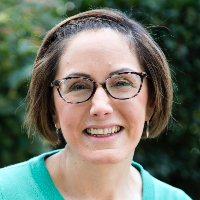
Christy Stinton
LPC, LCPCNew Hampshire · 14 yrs exp
Compassionate, practical help for trauma and life change
Stress, Anxiety · Self esteem · Depression · Coping with life changes · +11 more
Read profileNeed to talk now? Call or text 988
Therapist listings are provided by BetterHelp. We will earn a commission at no extra cost to you if you use our links to buy.
Browse therapist profiles listed in New Hampshire to compare focus areas, therapeutic approaches, languages spoken, and academic or professional credentials. Use the profiles to help you identify clinicians to contact, and be sure to check each profile and confirm that the clinician has permission to work with you where you live.
New Hampshire · 14 yrs exp
Compassionate, practical help for trauma and life change
Stress, Anxiety · Self esteem · Depression · Coping with life changes · +11 more
Read profile
New Hampshire · 15 yrs exp
Steady, supportive therapy for life changes
Stress, Anxiety · Relationship · Family · Grief · +10 more
Read profile
New Hampshire · 30 yrs exp
Compassionate counselor for life changes
Addictions · Career · Coping with life changes · Compassion fatigue · +5 more
Read profile
New Hampshire · 9 yrs exp
Compassionate trauma-aware counseling
Stress, Anxiety · Trauma and abuse · Parenting · Anger · +1 more
Read profileIf you have experienced abuse, violence, an accident, or another traumatic event you may notice changes in how you sleep, remember things, relate to others, or manage everyday tasks. Those reactions are common and can be distressing. You get to decide the pace at which you seek support. Some people begin by reading profiles and asking a few practical questions, while others prefer to speak directly with a clinician to get a sense of fit. If you feel overwhelmed, unsafe, or at risk of harming yourself or someone else, call 911 immediately. If you are thinking about suicide or are in crisis but not in immediate physical danger, dial or text 988 for the Suicide & Crisis Lifeline to reach trained responders.
Trauma responses vary widely, and there is no single path that works for everyone. You might want someone who emphasizes coping skills and stabilization first, or you might be interested in clinicians who list trauma-focused approaches among their work. A trauma specialty listed on a profile does not itself indicate a particular certification or outcome. Use initial conversations to learn how a clinician frames trauma recovery and whether their approach matches your preferences and needs.
This page groups clinician profiles under the listed location New Hampshire to help you narrow searches geographically. Grouping by listed location is not evidence that a profile represents an office, physical proximity, eligibility for every resident, or an active license in that location. You should always open each profile and confirm the details directly with the clinician. Verify that they have permission to work with you where you live, especially if you plan to meet online from a different state or jurisdiction.
Academic degrees and professional licenses are different things. A degree such as PhD, PsyD, MD, MA, or MSW describes completed graduate study but does not by itself show current permission to provide clinical services. Licenses and registrations indicate legal permission to practice and are maintained by state boards. When you review a profile, note degree titles separately from licensing credentials and ask about current licensure status if that matters to you. If a profile lists a therapeutic approach, that listing is an indication of interest or use - not proof of specialized training or certification in that modality.
When you contact a clinician, prepare questions that help you compare how they describe their work. Instead of asking whether they are "good" with trauma, you might ask how they describe their approach to working with people who have experienced abuse or violence, what kinds of challenges they most often help with, and which populations they have experience supporting. Ask whether they have experience addressing specific issues you face, such as complex trauma, PTSD symptoms, or recovery after domestic violence, and what a typical course of work looks like from their perspective.
Be explicit about therapy approaches you want to understand. For example, you could say, "I see you list EMDR among your approaches - how do you typically use that approach in sessions?" That phraseology clarifies that you are asking about how an approach is used rather than assuming training or certification. Also ask concrete operational questions - whether they work with adults, adolescents, couples, or families; how they handle sessions that become intense; and what steps they suggest if a topic becomes overwhelming. These specifics will give you a clearer picture than general labels.
If you plan to engage remotely, discuss the technical and logistical details before beginning. Confirm how the clinician manages scheduling, what platform they use for sessions, and what to do if a session is interrupted. Talk about how your information will be handled and whether notes are kept, who has access to records, and any limits to privacy that might apply. It is reasonable to ask about time zones, how emergencies are handled given your location, and the clinician's process for referrals if you need in-person services where you live.
Also consider your environment during sessions. Choose a private space where you feel able to speak openly and pause if needed. Let the clinician know if you anticipate interruptions or have concerns about disclosing certain details during early conversations. Before beginning, confirm that the clinician has permission to provide services to someone in your state or region, and ask how they document consent and information-sharing boundaries practices. These practical conversations set expectations and help you focus on the therapeutic work when you feel ready.
As you move from browsing to selecting a few profiles to contact, compare specific elements that matter to you. Look at the clinician's stated focus areas and think about whether those align with what you want to address. Consider language preferences - find clinicians who list languages you speak, and ask how language is used in sessions when cultural or idiomatic nuances are important. Note academic degrees separately from licensure and ask about current registration when you need confirmation of legal permission to practice in your area.
Therapeutic style is often described in plain language on profiles. Some clinicians emphasize structured approaches and skill-building, while others describe a relational style that prioritizes exploration and pacing. Ask how they typically begin work with someone new, how long they expect initial assessment to take, and how they check in about progress and goals. If cultural sensitivity, identity-informed care, or experience with particular communities is important to you, raise that directly and request examples of relevant experience. Remember that a listed topic such as trauma or abuse does not by itself establish whether a clinician treats children, couples, or families. You should discuss your specific needs and the clinician's actual scope with them before starting.
Choosing a clinician is a personal process. Profiles grouped under New Hampshire can help you narrow the field, but the most useful step is a short conversation that answers your concrete questions about approach, scope, language, and licensure. Take your time, go at a pace that feels manageable, and reach out for immediate help if you are in danger or crisis by calling 911 or dialing or texting 988 for the Suicide & Crisis Lifeline.
Addictions
2219 therapists
Anger
2776 therapists
Depression
3814 therapists
Disaster Relief Therapy
976 therapists
Dissociation
578 therapists
Domestic Violence
1246 therapists
Grief
3022 therapists
Guilt and Shame
2594 therapists
Isolation / Loneliness
2363 therapists
Mood Disorders
2081 therapists
Panic Disorder and Panic Attacks
1821 therapists
Post-Traumatic Stress
2542 therapists
Self Esteem
3590 therapists
Sleeping Disorders
1037 therapists
Social Anxiety and Phobia
2250 therapists
Stress & Anxiety
4007 therapists
Trauma and Abuse
4184 therapists
Abandonment
1729 therapists
Attachment Issues
1744 therapists
Codependency
1662 therapists
Compassion Fatigue
2027 therapists
Coping with Life Changes
3303 therapists
Family
3004 therapists
Family of Origin Issues
1361 therapists
First Responder Issues
961 therapists
Forgiveness
2438 therapists
Relationship
3351 therapists
Self-Love
2684 therapists