
Monica Burgos
LICSWDistrict of Columbia · 24 yrs exp
Compassionate trauma-informed bilingual care
Relationship · Trauma and abuse · Intimacy-related issues · Self esteem · +4 more
Read profileNeed to talk now? Call or text 988
Therapist listings are provided by BetterHelp. We will earn a commission at no extra cost to you if you use our links to buy.
Compare profiles of therapists who list trauma and abuse among their specialties in the District of Columbia. Browse profiles to review credentials, languages, approaches, and experience, then contact individual profiles to confirm they can work with you where you live.
District of Columbia · 24 yrs exp
Compassionate trauma-informed bilingual care
Relationship · Trauma and abuse · Intimacy-related issues · Self esteem · +4 more
Read profile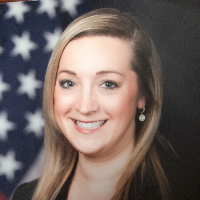
District of Columbia · 15 yrs exp
Compassionate LICSW focused on practical change
Relationship · Family · Trauma and abuse · Self esteem · +12 more
Read profile
District of Columbia · 19 yrs exp
Compassionate counseling for trauma and life changes
Addictions · LGBT · Relationship · Trauma and abuse · +11 more
Read profile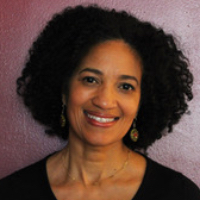
District of Columbia · 29 yrs exp
Compassionate, practical therapy for life challenges
Stress, Anxiety · Relationship · Trauma and abuse · Self esteem · +11 more
Read profile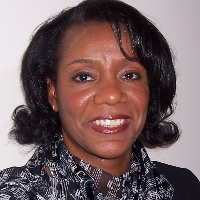
District of Columbia · 10 yrs exp
Compassionate, strengths-focused counseling
Stress, Anxiety · Relationship · Grief · Intimacy-related issues · +9 more
Read profile
District of Columbia · 10 yrs exp
Practical, goal-focused support for difficult moments
Stress, Anxiety · Addictions · Self esteem · Depression · +11 more
Read profile
District of Columbia · 20 yrs exp
Compassionate, strength-based support for change
Stress, Anxiety · Relationship · Trauma and abuse · Parenting · +13 more
Read profile
District of Columbia · 20 yrs exp
Empathetic counselor focused on healing and practical change
Relationship · Family · Trauma and abuse · Depression · +14 more
Read profile
District of Columbia · 23 yrs exp
Experienced LICSW supporting grief and life change
Stress, Anxiety · Grief · Self esteem · Depression · +14 more
Read profile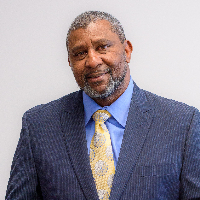
District of Columbia · 25 yrs exp
Compassionate, practical help for life challenges
Stress, Anxiety · Addictions · Family · Trauma and abuse · +13 more
Read profile
District of Columbia · 15 yrs exp
Compassionate support for trauma and life change
Stress, Anxiety · Relationship · Family · Trauma and abuse · +9 more
Read profile
District of Columbia · 30 yrs exp
Experienced LICSW focused on trauma recovery
Family · Parenting · Career · Coping with life changes · +13 more
Read profile
District of Columbia · 14 yrs exp
Compassionate counselor for trauma and relationships
Stress, Anxiety · Relationship · Trauma and abuse · Anger · +10 more
Read profile
District of Columbia · 29 yrs exp
Compassionate therapy focused on emotional intelligence
Stress, Anxiety · Trauma and abuse · Anger · Self esteem · +5 more
Read profile
District of Columbia · 15 yrs exp
Experienced LICSW focused on trauma and recovery
Stress, Anxiety · Relationship · Family · Trauma and abuse · +5 more
Read profile
District of Columbia · 20 yrs exp
Compassionate, practical therapy for trauma and addiction
Addictions · LGBT · Trauma and abuse · Depression · +12 more
Read profile
District of Columbia · 14 yrs exp
Practical therapy for life transitions
Stress, Anxiety · Trauma and abuse · Grief · Career · +8 more
Read profile
District of Columbia · 25 yrs exp
Experienced DC clinician for trauma recovery
Stress, Anxiety · Relationship · Trauma and abuse · Grief · +9 more
Read profile
District of Columbia · 5 yrs exp
Trauma-aware LICSW focused on practical change
Stress, Anxiety · Relationship · Family · Self esteem · +11 more
Read profile
District of Columbia · 26 yrs exp
Compassionate, practical therapy for life challenges
Stress, Anxiety · Trauma and abuse · Self esteem · Depression · +7 more
Read profile
District of Columbia · 24 yrs exp
Warm, practical therapy for trauma and life stress
Stress, Anxiety · Relationship · Family · Trauma and abuse · +15 more
Read profile
District of Columbia · 10 yrs exp
Compassionate LICSW focused on trauma recovery
Stress, Anxiety · Family · Trauma and abuse · Grief · +12 more
Read profile
District of Columbia · 3 yrs exp
Practical support for trauma and everyday struggles
Stress, Anxiety · Grief · Self esteem · Depression · +11 more
Read profile
District of Columbia · 30 yrs exp
Compassionate, practical care for life’s hardest moments
Stress, Anxiety · Addictions · Trauma and abuse · Parenting · +15 more
Read profileWhen you look through profiles grouped under the District of Columbia, understand that the directory is organizing practitioners by a listed location. A listed location does not by itself prove that a therapist maintains a physical office in DC, that they have an active license in the District, or that they are able to work with every person who lives there. Before you move forward, use the profile details as a starting point and reach out directly to any practitioner whose profile seems like a fit. Ask whether they are permitted by the relevant licensing board to work with you in your jurisdiction and whether the format of their work aligns with your needs.
Profiles are summaries provided by each practitioner. The presence of trauma and abuse among a therapist's listed specialties indicates that they identify those areas as focus points in their work, but it does not confirm formal certification or a particular treatment outcome. Use the listed location to narrow your search, then confirm specifics with the practitioner so you have clear information about permission to practice, the setting they offer, and the populations they serve.
Academic degrees and professional licenses are distinct credentials. A degree such as PhD, PsyD, MD, MA, or MSW describes an educational achievement. Those credentials are important context, but a degree alone does not establish current permission to practice. Professional permission usually comes from a state licensing board and is labeled as a license, registration, or certification issued by that board. When reviewing a profile, look for the name of the license or the licensing state and then confirm directly with the practitioner or the issuing board if current practice is a concern.
You should ask whether a therapist holds a license that permits clinical work in the place where you live, and whether that license is active. It is reasonable to request the licensing board and license type so you can verify through official state resources. Also ask how their academic training informs their approach. Profiles often include both degrees and license information, but if a profile lists only a degree, make a point of confirming whether there is a current license or registration that authorizes clinical practice in your state.
When you contact a profile, have concrete questions ready so you can compare how different practitioners describe their work. Ask about the kinds of trauma or abuse they have experience addressing, and whether they have worked with people who have experiences similar to yours in terms of age, cultural background, or life stage. Request examples of the kinds of goals people typically bring to their work and how progress is discussed. You can also ask which therapeutic approaches a practitioner lists, remembering that a profile listing an approach is not the same as formal training in a named method. For example, you might discuss therapists who list EMDR among their approaches to learn how that approach fits into their practice rather than assuming universal expertise.
Also ask how they handle discussions of pacing and consent in trauma work. A helpful practitioner will be willing to talk about how they support clients in moving at a rate that feels manageable, what to expect in early sessions, and how you can raise concerns about the work as it proceeds. Concrete questions such as how they structure initial sessions, what kinds of check-ins occur, and how they coordinate with other care professionals will give you clearer points of comparison across profiles.
If you plan to work across state lines or remotely, it is essential to clarify permission to provide care where you live. Ask whether the therapist can legally offer services to your location and whether they maintain the specific registration or license required by your state or territory. Discuss practical details that matter to your comfort, including what technology will be used, how records are maintained, and the steps they take if a session is disrupted. These are logistical topics that affect your experience and should be clear before you begin.
It is also important to establish plans for urgent situations. If you are in immediate danger call 911. For immediate mental health support in the United States call or text 988 for the Suicide & Crisis Lifeline. Do not assume a profile indicates that a practitioner will provide emergency response or safety planning services. Ask how the practitioner suggests handling crises, what local resources they can recommend in your area, and what you should do if communication is lost during a remote session. Discussing these items before starting can help you move into care at a pace you control and with an understanding of how emergencies will be handled.
When you compare profiles, treat each profile as a compact narrative about a practitioner's interests and experience. Look at how the practitioner describes their focus areas and whether trauma and abuse are listed alongside other specialties such as grief, chronic stress, or relationship concerns. Consider language offerings if you prefer care in a language other than English, and note whether cultural competence or experience with particular communities is described. Comparing these elements across profiles helps you choose a practitioner whose experience aligns with your needs and preferences.
Pay attention to how each profile communicates style and approach. Some profiles emphasize a collaborative, person-centered tone while others highlight practical skills or clinical frameworks. Remember that a listing of an approach does not guarantee formal certification; instead, ask the practitioner to describe how they apply that approach in practice and how it might be adapted to your situation. Finally, consider how comfortable you feel with the way a profile presents itself - clear description, invitation to ask questions, and an emphasis on pacing and consent are all indicators that you can discuss fit before committing to ongoing work.
Finding a practitioner whose profile aligns with your needs takes time, and it is reasonable to reach out to multiple profiles to ask the same core questions. Take things at your own pace, prioritize clarity about permission to practice where you live, and use the profiles as conversation starters so you can make informed choices about your care.
Addictions
2219 therapists
Anger
2776 therapists
Depression
3814 therapists
Disaster Relief Therapy
976 therapists
Dissociation
578 therapists
Domestic Violence
1246 therapists
Grief
3022 therapists
Guilt and Shame
2594 therapists
Isolation / Loneliness
2363 therapists
Mood Disorders
2081 therapists
Panic Disorder and Panic Attacks
1821 therapists
Post-Traumatic Stress
2542 therapists
Self Esteem
3590 therapists
Sleeping Disorders
1037 therapists
Social Anxiety and Phobia
2250 therapists
Stress & Anxiety
4007 therapists
Trauma and Abuse
4184 therapists
Abandonment
1729 therapists
Attachment Issues
1744 therapists
Codependency
1662 therapists
Compassion Fatigue
2027 therapists
Coping with Life Changes
3303 therapists
Family
3004 therapists
Family of Origin Issues
1361 therapists
First Responder Issues
961 therapists
Forgiveness
2438 therapists
Relationship
3351 therapists
Self-Love
2684 therapists