- Trauma-informed approach
- Strengths focused
- Practical coping skills
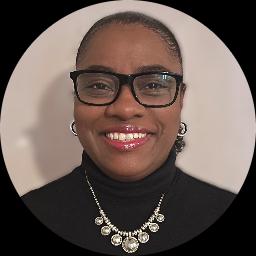
About Karen
Her approach centers on listening first and then working together to find what helps. She describes her work as trauma-informed and strength-based, and she uses solution-focused ideas to help people move toward clear goals. Sessions often involve identifying small, doable changes that reduce distress and build confidence.
Karen values each person’s story and treats clients as the experts on their lives. She helps people name what matters to them and then co-designs steps to reach those priorities. That can include learning new coping skills, improving communication, or reframing painful memories so they interfere less with daily life.
She draws on several practical methods, including client-centered work that keeps the person’s needs in focus, cognitive behavioral strategies to shift thinking and behavior, and narrative approaches that allow people to rethink their stories. Dialectical behavior therapy tools and solution-focused techniques are also part of her toolbox when useful.
People come to Karen for a wide range of concerns beyond trauma, such as grief, parenting stress, addictions, ADHD, depression, and caregiver burnout. She aims to create steady, realistic progress while supporting people as they make meaningful changes.
How Karen’s approaches translate to online work
Client-centered therapy focuses on listening and responding to what the person says matters. Online sessions using this approach prioritize the client’s goals and follow their pace. Cognitive behavioral therapy (CBT) looks at how thoughts and behaviors interact and teaches practical exercises to reduce anxiety or depressive symptoms. Those exercises can be practiced between sessions and reviewed together. Dialectical behavior therapy (DBT) offers concrete skills for managing intense emotions, improving distress tolerance, and strengthening interpersonal effectiveness; those tools can be taught and reinforced in conversations during online appointments.Finding the right approach is a collaborative process. The therapist will talk with each person about their needs, preferences, and what they hope to change. Together they’ll choose or combine methods and adjust the plan as progress is made or goals shift.
Session formats are not specified in the biography, so confirm available options before booking. Online work can make it easier to fit therapy into daily life by reducing travel time, allowing shorter check-ins when schedules are tight, or offering sessions from different places on busy days. Licensed professionals can use these approaches effectively in remote sessions, focusing on skills, pacing, and practical plans that translate into everyday routines.
Frequently asked questions
What concerns does this therapist commonly address?
She works with stress and anxiety, relationship strain, trauma and abuse, parenting challenges, grief, depression, bipolar disorder, addiction, ADHD, and related issues.
What is the general therapy style?
The style is nonjudgmental and client-centered, trauma-informed, and strength-based. Sessions emphasize practical steps and collaborative goal-setting.
How much experience does the therapist have?
The clinician has 20 years of professional work experience supporting people through a variety of concerns and life changes.
What credentials and location are listed?
The therapist is a LICSW, licensed in the District of Columbia, and provides services tied to that jurisdiction.
Which languages are available for sessions?
Sessions are offered in English only.
Can people outside the U.S. use these services?
International clients are not currently accepted, so sessions are limited to those within the supported region.
How are costs and payment handled?
Cost varies with location and therapist availability; sessions use a subscription that can be canceled at any time.
What steps should I take to begin?
Start by selecting the Start Therapy button, complete a short matching questionnaire, and schedule sessions according to therapist availability.