- Trauma and abuse
- Practical coping skills
- English and Spanish
About &
She draws on a mix of methods to match each person’s needs. That can mean using Client-Centered Therapy to follow the person’s lead, Cognitive Behavioral Therapy to change unhelpful thoughts and behaviors, or Dialectical Behavior Therapy for emotion regulation skills. She also uses Emotionally-Focused techniques and some elements of the Gottman Method for relationship work when appropriate.
Across her career she has supported people facing a wide range of challenges, including abandonment concerns, adoption and foster care issues, aging and geriatric worries, autism and Asperger syndrome, chronic pain or illness, caregiver stress, and cancer-related strain. She works to teach coping skills, improve daily functioning, and strengthen communication.
Her practice emphasizes a nonjudgmental space where people can feel heard and understood. She often collaborates with caregivers and support systems when that helps the person’s progress. Sessions use a subscription model that can be canceled at any time and may vary by location and therapist availability.
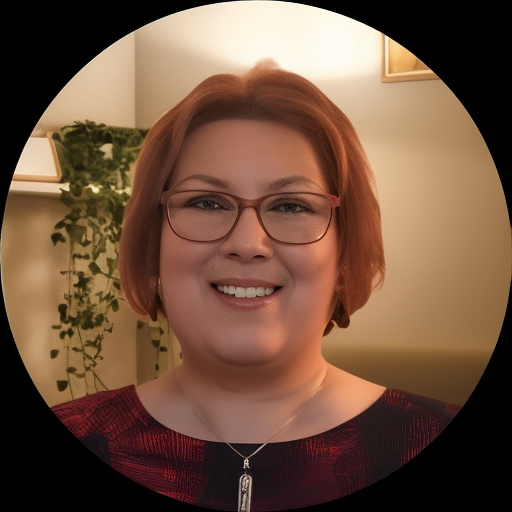
Dr. Sabater-Lenk is based in Florida and brings long experience to clients dealing with complex emotional concerns and trauma and abuse. Before booking, confirm the current session formats and scheduling details.
How therapy approaches guide online work
Client-Centered Therapy emphasizes listening and following the person’s goals. The therapist offers empathy and helps people name priorities and pace the work. Cognitive Behavioral Therapy (CBT) focuses on identifying and changing thoughts and behaviors that make problems worse, which can help with anxiety, depression, and stress. Dialectical Behavior Therapy (DBT) teaches concrete skills for managing strong emotions and improving coping in everyday life.Choosing the right approach is part of the work together. The therapist will talk with each person about their needs, goals, and preferences and suggest options that fit. Decisions about which methods to use are collaborative and can change as progress is made.
Session formats are not listed in the biography, so please confirm current options before booking. Many people find that online therapy makes it easier to fit sessions into a busy day, allows shorter check-ins when needed, and reduces travel time. Licensed professionals can use these approaches effectively over distance when the format suits the person’s goals and daily schedule.
Frequently asked questions
What kinds of problems does she address?
She works with stress, anxiety, depression, anger, relationship struggles, low self-esteem, and trauma and abuse. Her practice also covers specific concerns like abandonment, adoption and foster care, chronic illness, caregiver stress, and body image.
What is her therapy style like?
Her style is practical and person-centered. Sessions focus on teaching coping skills, improving daily functioning, and working through emotions in straightforward terms.
How much experience does she have?
She has thirty years of clinical experience working with a wide range of emotional and behavioral challenges.
What credentials and location are listed?
She is a Licensed Clinical Social Worker, LCSW, licensed in New York and Florida, and she practices from Florida.
Which languages are supported?
Sessions are offered in English and Spanish.
Can I work with her from another country?
International clients are not currently accepted.
How do costs and billing work?
Cost varies with location and therapist availability. Sessions use a subscription that can be canceled at any time.
What are the first steps to begin therapy?
Click the Start Therapy button, complete a short matching questionnaire, and schedule according to therapist availability.