- Trauma and abuse
- Goal focused
- Mindfulness informed
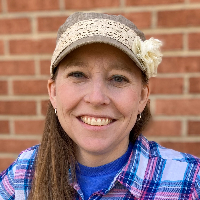
About Wendy
Wendy earned a master’s degree in Counseling and Human Development from Radford University and holds bachelor degrees in Communications and Psychology from Virginia Tech. She has been an LPC in Virginia since 2014 and has worked across public education, higher education, a private agency, and within religious settings. These different settings shaped her flexible approach to care.
Her style blends client-centered listening with cognitive behavioral and solution-focused methods. She also uses trauma-focused techniques and mindfulness practices when they fit a person’s needs. Sessions tend to emphasize small, doable changes and concrete skills rather than abstract theory.
Wendy often helps people untangle issues like attachment, codependency, communication problems, and family of origin patterns. She also supports clients facing post-traumatic stress, feelings of emptiness, life-purpose questions, and challenges around pregnancy and childbirth.
Her stated goal is to understand why someone is seeking counseling and what outcome they want. From there she helps create a plan to reach those goals, working collaboratively and adjusting approaches as progress is made.
How therapeutic approaches translate to online care
Client-centered work focuses on listening and building a trusting conversation. It helps people clarify what matters most and set personal goals in a way that fits their values.Cognitive behavioral therapy (CBT) looks at how thoughts, feelings, and actions connect. It teaches practical skills to change unhelpful thinking and ease anxiety, depression, or stress in day-to-day life.
Trauma-focused therapy concentrates on responses that follow overwhelming events and teaches ways to reduce distress and improve coping. Mindfulness-based practices can be added to help manage intense emotions and increase present-moment awareness.
Finding the right mix of approaches is part of the work together. The therapist will talk with a client about needs, goals, and preferences and then recommend methods to try. That choice is collaborative and may change as progress is made.
Confirm which session formats Wendy currently offers before booking, as formats were not specified in the provided biography. Online therapy can make it easier to fit sessions into a busy life, cut commuting time, and allow shorter check-ins when schedules are tight. It also lets people use practices like CBT exercises and mindfulness tools between sessions to support steady progress.
Frequently asked questions
What concerns does Wendy commonly address?
Areas listed include stress, anxiety, trauma and abuse, grief, depression, relationship and family issues, self-esteem, ADHD, and coping with life changes.
What is Wendy's therapeutic style?
She uses a mix of client-centered listening, cognitive behavioral strategies, solution-focused work, mindfulness practices, and trauma-focused techniques tailored to each person's needs.
How much clinical experience does she have?
Wendy has 15 years of experience working in counseling roles across education, private agency, and religious contexts.
What credentials and location are associated with Wendy?
She holds a master’s degree in Counseling and Human Development and is a Licensed Professional Counselor in Virginia.
In which language are sessions offered?
Sessions are offered in English and international clients are not currently accepted.
Which session formats are available?
The original biography does not specify session formats; confirm current session options with the provider before booking.
How is cost handled for sessions?
Cost varies with location and therapist availability; sessions use a subscription that can be canceled at any time.
What are the first steps to begin therapy?
Use the Start Therapy button, complete a short matching questionnaire, and schedule according to therapist availability.