- Client-centered approach
- Problem-focused tools
- 22 years experience
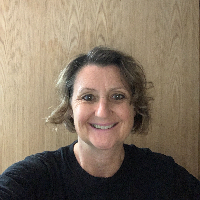
About Tamara
She adapts therapy to each person rather than relying on a one-size-fits-all method. Tamara blends client-centered conversations with evidence-informed tools to address immediate problems and build long-term coping skills. She values straightforward feedback and gentle encouragement in sessions.
Her background includes a Master of Science in Counseling and an Education Specialist degree in Counselor Supervision from Marshall University Graduate College. She also teaches there as an adjunct professor and brings lessons from that setting into her clinical work.
Throughout her 22 years of practice she has worked with school-aged people and adults. Her experience covers depression, self-harm, PTSD, trauma, grief, addictions, bipolar concerns, eating difficulties, anger, self-esteem, and life transitions. She also addresses family and communication issues, blended family dynamics, and caregiving stress.
Tamara uses a range of approaches such as Client-Centered Therapy, Cognitive Behavioral Therapy, Solution-Focused Therapy, and Trauma-Focused Therapy. She collaborates with each person to choose strategies that fit their goals and daily life. If someone is ready to begin, she asks them to share times that work and she will schedule sessions around her existing commitments.
How her approaches guide online therapy choices
Client-Centered Therapy focuses on listening and understanding your experience. The therapist follows your lead, reflects your concerns, and helps you make sense of what matters most. This approach can help when you need a supportive space to sort through feelings and decisions.Cognitive Behavioral Therapy (CBT) uses clear steps to change unhelpful thoughts and behaviors. It often includes small exercises to try between sessions, which can help with anxiety, depression, and coping skills for everyday problems.
Finding the right approach is part of the work together. The therapist will talk with you about your goals and preferences and then recommend strategies to try. That decision is collaborative and may shift as your needs change.
Confirm current session formats before booking because specific options are not listed in the biography. Online therapy can make it easier to fit appointments into a busy week, reduce travel time, and allow short check-ins when needed. It also makes it simpler to use between-session tools and homework, so progress can continue between meetings.
Frequently asked questions
What kinds of concerns does she address?
Tamara helps people with stress, anxiety, depression, grief, addictions, relationship and parenting challenges, and trauma and abuse among other concerns.
What is her therapeutic style like?
She blends client-centered listening with practical techniques from cognitive behavioral and solution-focused approaches to solve current problems and build skills.
How much experience does she have?
She has 22 years of experience in counseling work and has supported school-aged people through adulthood with a range of issues.
What credentials and region are listed?
She is a Licensed Professional Counselor (LPC) practicing in West Virginia.
In what languages can I work with her?
Sessions are offered in English and she is not accepting international clients.
Which session formats are offered?
Confirm current session options before booking, as specific formats are not listed in the therapist biography.
How does payment and cost work?
Cost varies with location and therapist availability, and sessions use a subscription that can be canceled at any time.
How do I begin working together?
Click the Start Therapy button, complete a short matching questionnaire, and schedule according to therapist availability.