- Trauma-informed care
- Practical coping skills
- Goal focused work
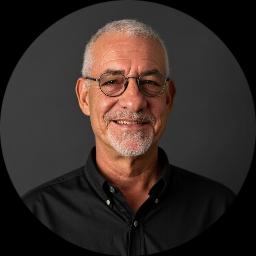
About Steven
He creates a calm, nonjudgmental space for people to talk about what feels hard. Sessions focus on spotting unhelpful patterns, learning coping skills, and naming goals that matter to the client. Steven aims for straightforward strategies that fit into everyday life.
His work covers a range of concerns, from relationship strain and low self-esteem to bipolar mood issues and substance problems. He also supports people dealing with abandonment, attachment difficulties, caregiver stress, blended family adjustments, and family of origin issues.
Steven uses a mix of therapy approaches to match each person's needs. That can include attachment-based methods to understand relationship patterns, cognitive behavioral tools to change thoughts and behaviors, and EMDR to address traumatic memories. Mindfulness and client-centered techniques are also part of his toolbox.
With ten years of clinical experience as a Florida LMHC - Licensed Mental Health Counselor - he blends practical tools with steady support. He works with people who want to reduce symptom distress and find clearer ways to move forward.
To begin, he asks people to set clear goals and try small changes between sessions. The emphasis is on steady progress, not overnight fixes, so clients can build habits that last.
Therapeutic approaches and online care
Attachment-based work focuses on how early relationships shape current bonds and feelings. It helps people understand why they react strongly in close relationships and offers ways to form steadier patterns. Cognitive behavioral therapy, or CBT, looks at the links between thoughts, feelings, and behavior. It teaches practical steps to change unhelpful thinking and build new habits that reduce anxiety and stress. Eye Movement Desensitization and Reprocessing, EMDR, is used to process distressing memories and reduce their emotional impact; it can be helpful for people dealing with trauma.Choosing the right approach is part of the therapy process. The therapist will listen to your goals and try methods that fit your needs. This is a collaborative process where approaches are adjusted based on how well they work and what feels comfortable.
Online therapy can make regular sessions easier to fit into a busy life. It can reduce travel time, allow shorter check-ins during a break at work, or make it simpler to keep appointments while traveling. Confirm the current session options before booking so you know which formats are offered. Licensed professionals often combine talking, guided exercises, and home practice to help make progress between meetings.
Frequently asked questions
What kinds of concerns does he help with?
He works with stress, anxiety, addictions, trauma and abuse, relationship strain, self-esteem issues, bipolar mood concerns, and life transitions.
How would you describe his approach in sessions?
Sessions are collaborative and practical, combining client-centered listening with tools from cognitive behavioral therapy and mindfulness to build coping skills.
What is his professional background?
He has ten years of experience working in clinical settings supporting people through mood, addiction, and trauma-related concerns.
Where is he licensed to practice?
He is a Florida LMHC - Licensed Mental Health Counselor and practices with that credential in Florida.
Can I work with him if I live outside the United States?
International clients are accepted and sessions are offered in English.
What session formats are available?
Session formats are not listed here; please confirm current session options before booking.
How are fees handled?
Cost varies with location and therapist availability and sessions use a subscription that can be canceled at any time.
How do I start working with him?
Use the Start Therapy button, complete a short matching questionnaire, and schedule according to therapist availability.