- Integrative therapy approach
- Helps with relationships
- Speaks English and Dutch
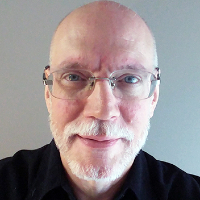
About Steve
Steve often meets people who are overwhelmed by stress, anxiety, depression, grief, or struggles with addiction. He also helps clients facing relationship pain, communication breakdowns, intimacy issues, or questions about sexual orientation. He names parenting, fatherhood, blended family concerns, and adoption and foster care when those topics come up.
In sessions he asks questions that help people see options and choose what feels achievable. He uses talk and simple skills so people can try things between meetings. He also works on issues like codependency, body image, commitment worries, and forgiveness one step at a time.
Steve blends several therapy approaches into an integrated plan. That means he pulls from different methods to match a person’s needs rather than sticking to one strict model. He makes room for faith when clients want to include it, and respects people who have been hurt by religious communities.
Sessions are conducted in English and Dutch as needed. Before booking, people are asked to complete a short matching questionnaire and then schedule according to the therapist’s availability.
How therapy approaches adapt to online work
Client-Centered Therapy focuses on building a respectful, listening relationship where the client leads the topics and the therapist follows. It helps people who need a space to talk through emotions and make their own choices. Cognitive Behavioral Therapy, or CBT, teaches practical ways to change unhelpful thoughts and behaviors through short exercises and homework, and it can be useful for anxiety, depression, and stress. Dialectical Behavior Therapy, or DBT, adds clear skills for managing intense emotions and improving relationships, which can be helpful for anger, mood swings, and trouble tolerating stress.Finding the right approach is part of the work. Steve will collaborate with each person to decide which methods fit their goals and preferences. He mixes techniques as needed and checks in to see what is helping and what should change.
Because the specific session formats are not listed in the biography, confirm current session options before booking. Online therapy can make it easier to fit sessions into a busy week, reduce travel time, and allow shorter check-ins when schedules are tight. It can also let someone use audio-only options if bandwidth or being on camera is a concern. Ask about the available formats when you schedule so you can pick what fits your routine.
Frequently asked questions
What concerns does Steve commonly address?
He works with stress, anxiety, depression, grief, addictions, trauma and abuse, relationship and intimacy issues, and related problems such as codependency and parenting stress.
What is his general approach in sessions?
He listens first and uses an integrated approach that mixes client-centered conversation with practical skills. The goal is to find steps clients feel able to try between meetings.
How long has he been practicing?
He has 11 years of experience working as a counselor in private practice in Georgia.
What credential does he hold and where is he based?
He is a Licensed Professional Counselor (LPC) practicing in the state of Georgia.
Which languages are supported for sessions?
Sessions are offered in English and Dutch.
Can people outside the United States work with him?
He is not accepting international clients at this time.
How are fees and payment handled?
Cost varies with location and therapist availability; sessions use a subscription that can be canceled at any time.
How do I begin therapy with him?
Use the Start Therapy button, complete a short matching questionnaire, and then schedule sessions according to the therapist’s availability.