- Trauma and abuse
- Attachment-focused
- Clinical and holistic
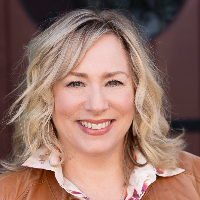
About Stefanie
She brings two decades of clinical practice in both civilian and military settings. That experience includes work with people impacted by combat-related issues, homelessness, severe mental illness, foster care and adoption, and survivors of abuse. Stefanie blends clinical and holistic approaches to tailor care to each person’s needs.
In sessions she uses approaches such as attachment-based therapy, cognitive behavioral techniques, EMDR, mindfulness, and motivational interviewing. She focuses on building coping skills, improving communication, and addressing the roots of distress rather than only the symptoms. Sessions often include concrete strategies to manage anxiety, navigate relationship problems, or rebuild after loss.
Stefanie earned a Bachelor of Social Work from the University of Alaska at Fairbanks and a Master of Social Work from the University of Denver. She is a Licensed Clinical Social Worker in North Carolina and has practiced psychotherapy since 1997.
People who come to her can expect a collaborative process that combines clinical therapy with broader wellness tools. She aims to help clients regain a sense of control, reduce overwhelm, and move toward more satisfying relationships and daily routines.
How therapy approaches translate to online care
Attachment-based work focuses on relationships and safety in close bonds. It helps people understand patterns from early attachments and build more secure ways of relating to others. Cognitive Behavioral Therapy, or CBT, looks at how thoughts and behaviors affect mood and stress. It teaches practical skills to change unhelpful thinking and develop healthier routines. Eye Movement Desensitization and Reprocessing, EMDR, is a method used to process traumatic memories and reduce their emotional intensity through structured sessions and guided techniques.Finding the right approach is part of the work. The therapist will talk with the client about goals and preferences and suggest methods that fit those needs. That collaboration can include trying different techniques and adjusting the plan as progress is made.
The original biography did not specify which session formats Stefanie offers, so confirm current online options before booking. In general, online therapy can make it easier to fit sessions into a busy life, cut commute time, and allow for shorter check-ins when needed. It can also make it simpler to continue care when people move or have changing schedules. Licensed professionals can use a mix of conversation, guided exercises, and mindfulness practices during remote sessions to support progress.
Frequently asked questions
What concerns does Stefanie help with?
She supports people facing stress, anxiety, trauma and abuse, depression, grief, parenting strain, relationship and intimacy issues, ADHD, anger, and career or life changes.
How would you describe her therapeutic style?
Her approach is practical and collaborative, combining direct clinical work with broader wellness tools to build everyday coping skills and improve relationships.
How long has she been practicing clinically?
She has about 20 years of clinical practice, including experience in civilian and military settings since the late 1990s.
What are her credentials and where does she practice?
She is a Licensed Clinical Social Worker (LCSW) licensed in North Carolina and practices there.
Can sessions be conducted in other languages or for international clients?
Sessions are offered in English. She is not currently accepting international clients.
What session formats are available?
The original biography does not list specific session formats; please confirm current session options before booking.
How does payment and cost work?
Cost varies with location and therapist availability; sessions use a subscription that can be canceled at any time.
How do I begin if I want to work with her?
Select the Start Therapy button, complete a short matching questionnaire, and schedule according to the therapist's availability.