- Focus on actionable steps
- Values-informed work
- Skill building
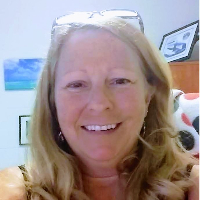
About Sharon
Sharon uses approaches drawn from cognitive behavioral ideas, acceptance and commitment work, dialectical strategies, and mindfulness. She centers sessions on what each person wants to change and builds a treatment plan around those goals. Conversations tend to be direct and solution-focused, while also making room for emotional safety.
Clients often bring concerns such as anxiety, depression, trauma and abuse, grief, relationship and intimacy problems, sleep struggles, parenting stress, anger, or challenges with attention and mood. Sharon also supports people facing caregiver strain, cancer-related stress, blended family challenges, and substance use issues.
Her style blends clear skill teaching with an emphasis on values and practical action. She offers tools for managing difficult emotions, improving communication, and breaking cycles of unhealthy behavior. Sessions aim to teach skills people can use between meetings.
Sharon works in English and practices in Florida. She helps people set realistic steps and stays focused on achievable change. To begin, viewers can follow the site steps to connect and schedule a first appointment.
How therapeutic approaches guide online sessions
Acceptance and Commitment Therapy (ACT) helps people clarify their values and take small steps toward them even when feelings are difficult. It is useful for anxiety, depression, stress, and for people who want clearer direction in life. Cognitive Behavioral Therapy (CBT) focuses on identifying unhelpful thoughts and changing behaviors with practical exercises. It is often used for anxiety, mood struggles, sleep problems, and addiction patterns. Mindfulness Therapy brings attention to the present moment and teaches ways to reduce reactivity through simple exercises that can be practiced between sessions.Choosing the right approach is a collaborative process. The therapist will listen to your goals, try a few strategies, and adjust based on what feels most helpful. Decisions about methods and homework are made together so the plan fits your needs and preferences.
Please confirm the current session formats before booking since the biography does not list specific options. Many people find online therapy helps fit sessions into busy lives by reducing travel time, making it easier to schedule a short check-in during a work break, or allowing therapy without needing to be on camera every time. These practical benefits can make it simpler to use skills between sessions and keep progress steady.
Frequently asked questions
What concerns does Sharon commonly address?
She works with stress, anxiety, addictions, trauma and abuse, grief, depression, relationship and intimacy issues, sleeping problems, parenting strain, anger, self-esteem, bipolar mood problems, and ADHD among other concerns.
What is Sharon's therapeutic style like?
Her work is practical and goal-focused, using skill teaching and mindful awareness alongside values-based action. Conversations are collaborative and oriented toward real-life changes.
How much experience does she have?
Sharon has 20 years of clinical experience, including extensive work with addiction and family violence issues.
What are Sharon's credentials and where is she located?
She holds the LCSW credential and practices in Florida.
Can I work with her if I live outside the United States?
Sessions are offered in English and she is not accepting international clients at this time.
What session formats are available?
Please confirm current session options before booking since the biography does not specify which formats are offered.
How much do sessions cost?
Cost varies with location and therapist availability; sessions use a subscription that can be canceled at any time.
How do I get started with Sharon?
Use the Start Therapy button, complete the short matching questionnaire, and schedule according to therapist availability.