- Trauma and abuse
- Goal focused
- Evidence informed
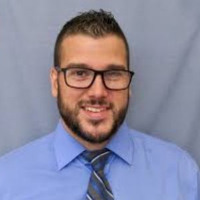
About Sean
Dr. Spelgatti draws on a mix of therapy styles to match what each person needs. He uses straightforward conversation to clarify goals and then focuses on skills and strategies people can use between sessions. He helps people address mood concerns, attention and impulse difficulties, addictions, parenting strain, and intimacy issues with plain talk and concrete steps.
His background includes extensive outpatient work with individuals and groups. That experience shapes a flexible, whole-person approach that looks at behavior, relationships, and daily routines. He pays attention to patterns that keep problems going and works with clients to shift those patterns.
Sessions often include practical exercises, skill-building, and checking progress toward agreed goals. The aim is to make changes that fit into everyday life rather than only discussing problems. He also brings attention to attachment and relationship dynamics when those issues affect mood and functioning.
People seeking support for coping with life transitions, chronic stress, or recurring relationship conflicts may find his style useful. He encourages clear goals, steady progress, and ongoing collaboration about what is working and what needs to change.
How therapy approaches translate to online work
Acceptance and Commitment Therapy, or ACT, focuses on helping people notice their thoughts and feelings without getting stuck in them and then take actions that match their values. It can be useful for anxiety, stress, and life transitions. Cognitive Behavioral Therapy, or CBT, looks at the links between thoughts, feelings, and behavior and teaches practical skills to change unhelpful patterns; it often helps with depression, anxiety, and sleep or eating concerns. Attachment-Based Therapy examines relationship patterns and how early connections shape current interactions, which can help with relationship challenges and intimacy-related issues.Choosing the right approach is part of therapy. The therapist works collaboratively with each person to identify goals and try approaches that fit their needs and preferences. If one approach does not feel helpful, the plan can be adjusted over time to combine techniques or shift focus.
The benefits of online therapy include easier scheduling and fitting sessions into a busy week, shorter check-ins when needed, and the chance to work with licensed professionals from different locations. The biography does not list specific session formats, so confirm current online options before booking. Online work can make it simpler to maintain continuity of care during life changes and to practice skills between sessions.
Frequently asked questions
What concerns does he commonly address?
He works with stress, anxiety, depression, relationship and intimacy issues, trauma and abuse, grief, addiction, ADHD, and many life-change concerns.
What is his therapy style like?
He uses a practical, problem-solving approach with clear goals and skills practice. Sessions emphasize steps you can try between meetings.
How much clinical experience does he have?
He has 11 years of experience, primarily in outpatient mental health settings with individuals and groups.
What credentials and location are listed?
He is a Licensed Professional Counselor (LPC) practicing in Pennsylvania.
Which languages are supported for sessions?
Sessions are offered in English and he accepts international clients.
What session formats are available?
The biography does not list specific session formats; confirm current session options before booking.
How does pricing or cost work?
Cost varies with location and therapist availability; sessions use a subscription that can be canceled at any time.
How do I begin working with him?
Click the Start Therapy button, complete a short matching questionnaire, and schedule according to therapist availability.