- Strengths based
- Trauma informed
- Affirming care
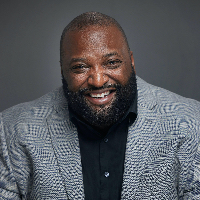
About Patrick
His approach is flexible and personal. He blends methods such as client-centered work and cognitive behavioral ideas to match each person's needs. Sessions focus on practical steps, clearer thinking, and building on strengths rather than labels.
Dr. Casthely aims to create a respectful, empathic space where people can talk frankly about what is hard. He emphasizes collaborative goal-setting and uses conversation to surface patterns that get in the way. He also addresses life transitions, career stress, parenting strains, and compassion fatigue.
He has a broad range of clinical experience across community mental health, substance use treatment, and private practice. That background supports work with co-occurring concerns such as depression, bipolar symptoms, chronic illness, and codependency. He integrates narrative and existential ideas when people need a chance to reframe their stories or think about meaning.
Practical issues like communication problems, commitment worries, and body image are part of his caseload. Dr. Casthely favors a strengths-based, affirming stance and aims to help people find concrete ways to cope and move forward.
How his approaches guide online therapy
Client-Centered Therapy focuses on building a respectful, nonjudgmental conversation where the client sets the pace and goals. This approach helps when people need a space to be heard and to find their own answers. Cognitive Behavioral Therapy (CBT) looks at the links between thoughts, feelings, and actions and uses practical exercises to change unhelpful patterns; it is often helpful for anxiety, depression, and stress. Narrative Therapy helps people reframe the stories they tell about themselves, which can reduce shame and open new possibilities for action.Finding the right approach is part of the work. He will discuss options and adjust methods based on your goals, preferences, and the issues you bring. That collaborative process helps shape a plan that fits your needs rather than forcing a single method.
The biography does not list specific online session formats, so confirm current options before booking. In general, online work can make it easier to fit sessions into a busy life, reduce travel time, and allow for shorter check-ins when needed. Licensed professionals can use conversation, exercises, and homework that translate to remote sessions to help clients practice new skills between meetings.
Frequently asked questions
What kinds of concerns does this therapist address?
He works with a wide range of concerns including stress, anxiety, addictions, relationship and intimacy issues, trauma and abuse, grief, parenting challenges, and career-related stress.
What is the general therapy style I can expect?
Therapy is flexible and collaborative, blending client-centered conversation with cognitive behavioral and narrative elements to focus on practical change and personal strengths.
How much clinical experience does he have?
He has 30 years of experience working in community mental health, substance use treatment, and private practice settings.
What credentials and region are relevant?
He holds the LMHC credential and practices in Florida.
Which languages are supported and can he work with international clients?
Sessions are offered in English, and he does not accept international clients at this time.
What session formats are offered?
The original biography did not specify session formats; please confirm current session options before booking.
How is cost handled for sessions?
Cost varies with location and therapist availability; sessions use a subscription that can be canceled at any time.
How do I begin working with him?
Select the Start Therapy button, complete a short matching questionnaire, and schedule according to therapist availability.