- Client-centered focus
- Practical coping skills
- Relationship support
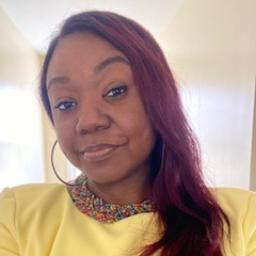
About Monique
She uses a mix of approaches to match each person’s needs, including client-centered methods, cognitive behavioral techniques, emotionally-focused strategies, mindfulness, and motivational interviewing. Sessions tend to focus on clear goals and coping skills, with attention to how thoughts, feelings, and behavior interact.
Monique presents herself as multicultural and open-minded. She emphasizes empathy, honesty, and a non-judgmental atmosphere where people can feel heard and validated. That environment is intended to help people gain confidence in handling relationship issues, grief, parenting stress, or changes at work.
Her background includes long experience working with mood disorders, ADHD, PTSD, and complex grief, as well as challenges like codependency, body image, and blended family issues. She combines practical problem-solving with listening and emotional processing to address both symptoms and the situations that keep them going.
People who want to try a collaborative approach may find her style results-focused yet flexible. She aims to help clients build skills for coping, improve communication, and regain a sense of control during transitions.
How her approaches translate to online therapy
Client-centered therapy focuses on listening and understanding a person's experience. It lets the therapist follow your concerns and priorities, which helps when you want sessions to focus on what matters most to you.Cognitive Behavioral Therapy, or CBT, breaks problems into thoughts, feelings, and behaviors and then practices small changes. It often helps with anxiety, depression, sleep problems, and managing daily stress by teaching specific skills you can use between sessions.
Emotionally-Focused Therapy emphasizes feelings and attachment patterns in close relationships. It can be useful for people working on intimacy issues, communication problems, and repairing relational patterns.
Finding the right approach is part of the work together. The therapist will collaborate with you to pick a method that matches your goals, preferences, and the issues you bring. That choice can change over time as progress is made.
Online therapy can make it easier to fit sessions into a busy week and reduce travel time. Confirm current session options before booking so you know which formats are offered. Many people use online sessions to keep continuity during life transitions, fit therapy around work, or continue care when travel or relocation occurs.
Frequently asked questions
What kinds of concerns can be brought to therapy?
Monique works with a wide range of issues including stress, anxiety, depression, trauma and abuse, addictions, relationship and family challenges, grief, and sleep or eating concerns.
What is her therapeutic style like?
Her approach is collaborative and practical, mixing client-centered listening with goal-focused techniques such as cognitive behavioral methods and mindfulness exercises.
How much clinical experience does she have?
She has 17 years of experience as a clinician supporting people through mood disorders, trauma, ADHD, grief, and relationship stressors.
Where is Monique licensed and practicing?
She holds the LCMHC credential and is licensed in North Carolina.
In which languages can sessions be conducted?
Sessions are offered in English and international clients are accepted.
What session formats are available?
Please confirm current session options before booking so you know which formats are offered for your situation.
How are fees and payments handled?
Cost varies with location and therapist availability; sessions use a subscription that can be canceled at any time.
How do I begin working with this therapist?
Select the Start Therapy button, complete a short matching questionnaire, and schedule based on the therapist's availability.