- Trauma aware
- Skill building
- Compassionate care
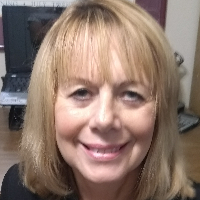
About Mary
Mary draws on a mix of approaches so sessions focus on what helps most. She uses Client-Centered and Cognitive Behavioral Therapy tools to identify thoughts and actions that keep problems going and to build new coping skills. She also uses Psychodynamic and Existential ideas to look at long-standing patterns and life meaning when that feels useful.
In the room, conversations are practical and grounded. Mary asks about day-to-day routines, stressors, and support systems, then helps people try small changes. She will offer concrete strategies for managing mood, anxiety, and compulsive behavior while also talking through deeper relationship and identity issues when needed.
Mary has experience in community mental health and private practice, including work with serious and persistent mental illness and personality concerns. She has done couple work in the past but is not taking couple clients now. She commonly supports women facing low self-esteem, codependency, life adjustments, and relationship struggles.
Her style is compassionate and direct. She encourages attendance and active participation so progress can be made. To begin, she asks about goals and recent coping, then tailors sessions to meet those needs.
How therapeutic approaches fit into online work
Client-Centered Therapy focuses on listening and responding to the person in front of the therapist. It centers the client's perspective and helps people build self-understanding and agency, which can ease anxiety and low self-esteem.Cognitive Behavioral Therapy, or CBT, looks at the links between thoughts, feelings, and actions. It offers step-by-step techniques to change unhelpful thinking and develop practical coping skills for depression, worry, and addictive behaviors.
Mary uses these approaches alongside psychodynamic ideas when helpful, combining skill-building with attention to past patterns that keep repeating. Choosing the right approach is a collaborative process. The therapist and client discuss goals, preferences, and what feels most useful, and then try methods that match those needs.
Because session formats are not specified in the biography, confirm current online session options before booking. Online work can make it easier to fit appointments into busy schedules, reduce travel time, and allow shorter check-ins when needed. It can also let a person keep continuity of care when life or location changes, while the therapist helps adapt tools and homework for everyday life.
Frequently asked questions
What kinds of concerns does Mary address?
She supports people facing stress, anxiety, depression, grief, addictions, relationship challenges, trauma and abuse, self-esteem problems, and parenting or career stresses.
How would you describe her therapeutic style?
Her style is compassionate and direct. Sessions focus on practical strategies as well as exploring deeper life patterns when that helps.
What experience does she bring to therapy?
Mary has three decades of experience in community mental health and private practice, including work with serious and persistent mental illness and personality concerns.
Where is Mary licensed and based?
She holds LMHC and LPC credentials and practices in Florida.
Which languages are offered for sessions?
Sessions are offered in English.
Are online or remote session formats available?
Please confirm current session options before booking, as specific formats are not listed here.
How does payment and cost work?
Cost varies with location and therapist availability; sessions use a subscription that can be canceled at any time.
How do I begin working with Mary?
Click the Start Therapy button, complete a short matching questionnaire, and schedule according to therapist availability.