- Trauma and abuse
- Practical coping skills
- Collaborative style
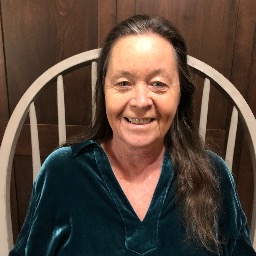
About Mary
Mary brings more than two decades of clinical experience to sessions. She earned a Master of Arts in Counseling from Webster University in 1997 and holds the LCMHC credential. Her background includes work in inpatient settings, school-based programs, community mental health, and a long tenure at a residential healing farm where she supported adults with serious and persistent mental illness.
Her approach is straightforward and flexible. She aims to meet people where they are and focus on practical steps toward change. Sessions often combine skills-based work with reflective conversation to build coping tools and clearer choices.
Mary uses a range of methods such as cognitive behavioral techniques, dialectical behavior strategies, eye movement desensitization and reprocessing, and acceptance and commitment ideas. She adapts methods to each person’s needs and goals rather than following a single recipe.
In private practice since 1998, she has offered individual and group work as well as family and couples support when appropriate. People who choose her can expect an experienced clinician who values collaboration and steady progress.
Therapeutic approaches and how they work online
Acceptance and Commitment Therapy (ACT) helps people notice painful thoughts without getting stuck in them and then take value-driven steps forward. It often fits people who want to build a life that matches their values despite difficult feelings. Cognitive Behavioral Therapy (CBT) focuses on practical tools to change unhelpful thinking and behavior patterns and can be useful for anxiety, depression, and stress. Eye Movement Desensitization and Reprocessing (EMDR) is used to process distress linked to traumatic memories and can reduce the intensity of painful recollections when used as part of a thoughtful treatment plan.Finding the right approach is part of the work. The therapist will collaborate with each person to choose or blend methods based on their needs, goals, and preferences. That choice can shift over time as progress is made and priorities change.
Confirm the current session formats before booking because formats are not specified in the profile. Online therapy can make it easier to fit sessions into a busy life, reduce travel time, and allow shorter check-ins when schedules are tight. It can also make steady, ongoing work possible for people who live at a distance from a clinician. Licensed professionals will discuss which approach and session arrangement best suit a person’s situation.
Frequently asked questions
What concerns does Mary focus on?
She works with stress, anxiety, depression, trauma and abuse, relationship problems, grief, addictions, eating issues, self-esteem, bipolar concerns, ADHD, and related life changes.
How would she describe her therapeutic style?
Mary meets people where they are and focuses on practical, collaborative work. Sessions combine skill building with talking through problems to help people make clearer choices.
What is her clinical background and experience?
She has 23 years of counseling experience in inpatient units, schools, community mental health, a residential healing farm, and private practice.
What credentials and location are listed?
She holds the LCMHC credential from North Carolina and practices in North Carolina.
In which languages are sessions offered?
Sessions are offered in English.
What session formats are available?
Please confirm current session options before booking since session formats are not specified here.
How are fees and payment handled?
Cost varies with location and therapist availability; sessions use a subscription that can be canceled at any time.
How do I begin the process?
Click the Start Therapy button, complete a short matching questionnaire, and schedule according to therapist availability.