- Trauma and abuse support
- Individual adults and teens
- Goal focused sessions
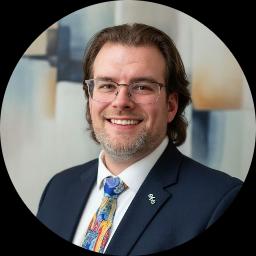
About Mark
He often addresses problems that come from the past, including family of origin issues and patterns that lead to people-pleasing or unhealthy relationships. Sessions talk through feelings like emptiness, guilt, and shame so clients can find clearer next steps. He also works with stress, grief, addictions, and challenges tied to career and first responder roles.
Mark uses a mix of clinical approaches to match the person and the problem. He draws from Client-Centered Therapy to understand each person’s perspective. He also uses Cognitive Behavioral Therapy to identify unhelpful thoughts and EMDR to address trauma symptoms when appropriate.
His style is direct and practical while still being respectful of individual experience. He helps clients set attainable goals and practices skills between sessions. The focus is on real change that fits everyday life.
Sessions are offered in English and are available to people located in Florida. To begin, a prospective client follows the Start Therapy process, completes a short matching questionnaire, and schedules according to the therapist’s availability.
Approaches that inform online work and goals
Client-Centered Therapy focuses on listening and understanding each person’s experience. The therapist offers a nonjudgmental space and follows the client’s lead to help them make sense of feelings and choices. Cognitive Behavioral Therapy (CBT) looks at how thoughts and behaviors influence mood and actions. It uses clear strategies and exercises to change unhelpful patterns, which can help with anxiety, depression, and stress. Eye Movement Desensitization and Reprocessing (EMDR) is used to reduce the emotional impact of traumatic memories by working through them in a structured way when both client and therapist agree it fits the goals.Finding the right approach is part of the work together. The therapist will talk with each person about their needs, goals, and what feels comfortable. That conversation guides which methods are used and how sessions are structured so the plan matches personal preferences and progress.
Confirm the available session formats before booking, as the biography does not list specific online options. In general, online therapy can make it easier to fit sessions into a busy life, reduce travel time, and allow for shorter check-ins when needed. It can also allow for consistent weekly work when schedules are tight. Licensed professionals will discuss how to adapt these approaches to an online setting and what to expect in practical terms.
Frequently asked questions
What concerns does Mark address in therapy?
He works with anxiety, depression, trauma and abuse, grief, relationship and family problems, stress, addiction, self-esteem, and related issues like abandonment and codependency.
How would you describe his therapeutic style?
He uses a practical, direct approach that combines listening with skill practice. Sessions focus on goals and steps clients can use between meetings.
What background does he bring to his work?
Mark is a retired Navy Chief Petty Officer with a master’s degree in counseling and psychology and 14 years of clinical experience working with adults and teens.
What credentials and location apply to this therapist?
He holds the credential LMHC and practices in Florida as a Florida LMHC.
Which languages and international options are available?
Sessions are offered in English and he does not accept international clients at this time.
What session formats does he offer?
Please confirm the current session options before booking, as specific formats are not listed in the biography.
How is cost handled for sessions?
Cost varies with location and therapist availability, and sessions use a subscription that can be canceled at any time.
What is the first step to start working together?
Click the Start Therapy button, complete a short matching questionnaire, and schedule a session according to the therapist’s availability.