- Trauma and abuse focus
- Strengths based
- Practical skills
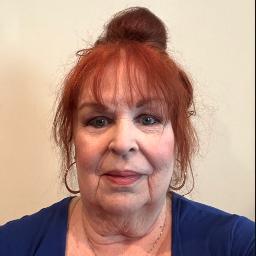
About Lynn
Her approach is straightforward and collaborative. She listens first, then helps people set goals that make sense for daily life. Sessions include talking through patterns, trying small behavior changes, and practicing skills that help with overwhelming feelings.
Over 30 years Lynn has worked with people facing relationship strain, intimacy-related problems, and career or life transitions. She also supports people coping with chronic illness, caregiving stress, grief from divorce or separation, and the fallout of domestic violence or other trauma. Addictions and anger concerns are included in her clinical focus.
Therapeutic tools she uses include client-centered methods, cognitive behavioral techniques, dialectical behavior methods, emotionally focused ideas, and existential perspectives. These are used to make therapy practical and relevant to each persons priorities. Lynn adapts methods to what a person needs rather than following a single formula.
Sessions are offered in English and she accepts international clients. To begin, people complete a short matching questionnaire and schedule a time that fits their availability. The subscription for sessions can be canceled at any time.
How Lynn's Approaches Translate to Online Care
Client-Centered Therapy focuses on the persons own goals and strengths. It involves listening closely and shaping sessions around what matters most to the individual, which can help with mood, self-esteem, and coping after trauma.Cognitive Behavioral Therapy, or CBT, looks at thoughts and behaviors that keep problems going. It uses practical exercises and small behavior changes to reduce anxiety, manage addiction triggers, and improve mood.
Dialectical Behavior Therapy, DBT, teaches concrete skills for managing strong emotions and improving relationships. Those skills can be useful for anger, relationship struggles, and emotions tied to past abuse.
Finding the right approach is part of the work. The therapist will collaborate with the person to choose methods that match their needs, goals, and preferences rather than applying one fixed model. That teamwork helps make sessions feel useful and relevant.
Online therapy can make it easier to fit sessions into a busy life, keep consistent weekly work, and practice skills between meetings. Confirm current session options before booking so you know how sessions are delivered. Many people find that remote appointments reduce travel time and let them schedule therapy around work, caregiving, or medical appointments.
Frequently asked questions
What kinds of concerns does Lynn work with?
She helps people with stress, anxiety, addictions, trauma and abuse, self-esteem, depression, relationship and intimacy issues, and compassion fatigue among other concerns.
How would you describe her therapy style?
Her style is collaborative and straightforward. She listens first, then helps set concrete goals and practices skills people can use in daily life.
What experience does she bring?
Lynn brings 30 years of professional experience working with mental health and substance use concerns and related life challenges.
What are her credentials and location?
She is a Licensed Clinical Social Worker (LCSW) licensed in Florida and practices from that region.
Can people who speak other languages work with her?
Sessions are offered in English.
Does she work with international clients?
Yes, she accepts international clients.
How does payment and cost work?
Cost varies with location and therapist availability; sessions use a subscription model that can be canceled at any time.
What is the first step to begin therapy?
Start by selecting the Start Therapy button, complete a short matching questionnaire, and then schedule according to the therapists availability.