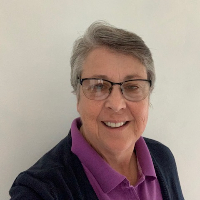
- Warm interactive style
- Practical goal focus
- Trauma and abuse support
About Kathy
Kathy uses a warm, interactive style built on respect and acceptance. Sessions are collaborative - she listens closely and helps people set clear, achievable goals. Her work includes support for people facing bipolar disorder, trauma and abuse, and concerns tied to adoption and attachment.
She combines client-centered care with cognitive behavioral and solution-focused strategies. Dialectical behavior therapy skills and motivational interviewing are part of her toolbox when they match a client's needs. Treatment plans are tailored to each person's situation and goals rather than following a fixed script.
Kathy also addresses issues like body image, eating and sleeping problems, caregiver stress, chronic illness, and co-occurring substance use. She helps clients manage compassion fatigue and career transitions as well as relationship and family-of-origin concerns.
Her approach emphasizes small, concrete steps that build toward larger change. Kathy encourages people to try strategies in daily life and bring back what worked and what didn’t. She aims to be a steady, practical partner while clients work through difficult experiences.
How Kathy’s approaches translate to online work
Client-Centered Therapy focuses on listening, acceptance, and helping clients set their own goals. It helps when someone needs steady support and a therapist who follows their lead. Cognitive Behavioral Therapy, or CBT, looks at thoughts and behaviors and teaches practical skills to reduce anxiety, manage mood, and change unhelpful patterns. Dialectical Behavior Therapy, DBT, provides emotion regulation, distress tolerance, and interpersonal skills that help with intense emotions and relationship difficulties.Finding the right approach is part of the process. Kathy collaborates with each person to decide which methods fit their goals and preferences. She may blend elements from different approaches so the plan matches what a person needs and can realistically use.
Confirm current session options before booking so you know which online formats are available. Online therapy can make it easier to fit sessions into a busy week, reduce travel time, and allow shorter check-ins when a quick touch-base helps. It also lets people use visual or verbal tools during sessions and practice skills in real-life settings between meetings. If you have questions about how sessions are scheduled or how techniques are practiced online, the therapist can explain those details during intake.
Frequently asked questions
What kinds of concerns does Kathy help with?
She helps people cope with stress, anxiety, depression, grief, addictions, bipolar disorder, trauma and abuse, relationship and family-origin issues, eating and sleeping problems, and career or life transitions.
What is her therapeutic style like?
Kathy uses a warm, interactive, client-centered style that emphasizes respect and acceptance while working toward practical goals.
How much clinical experience does she have?
She has over 30 years of experience providing clinical care to people with a wide range of concerns.
What are her credentials and where is she based?
She is an LCSW licensed in North Carolina and sees clients from that state.
Which languages are sessions offered in?
Sessions are offered in English.
Can people outside the United States work with her?
She is not accepting international clients at this time.
How are sessions paid for and what does cost look like?
Cost varies with location and therapist availability; sessions use a subscription that can be canceled at any time.
How do I begin working with her?
Use the Start Therapy button, complete a short matching questionnaire, and schedule sessions based on the therapist's availability.