- Trauma and abuse focus
- Mindfulness based tools
- Skill focused sessions
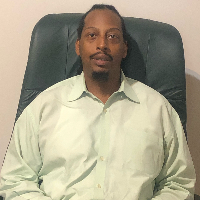
About James
James holds a Master of Social Work from the University of Georgia and practices in Georgia. He brings over 11 years of clinical experience as a licensed clinical social worker - LCSW - and additional years in community mental health leadership. His background includes directing supportive housing and substance use programs and providing counseling at a university counseling center.
In sessions he blends several approaches to match each person's needs. He draws from Acceptance and Commitment Therapy, cognitive behavioral strategies, dialectical behavior techniques, client-centered methods, hypnotherapy, mindfulness, and other tools to help people build coping skills and make changes. He pays attention to a client's belief system and worldview when planning care.
James describes his work as collaborative. He helps clients identify goals, practice new skills, and connect life history to current struggles. He can support people dealing with grief, addiction issues, family-of-origin problems, anger, codependency, and challenges tied to parenting or blended families.
Outside clinical practice he is an ordained minister and offers pastoral counseling alongside his clinical work. He also teaches meditation, practices yoga, and has background as a Reiki practitioner, which he may bring into sessions when appropriate.
Therapeutic approaches and online options
James commonly uses Acceptance and Commitment Therapy and Cognitive Behavioral Therapy in his work. ACT focuses on clarifying personal values and taking committed action, which can help with anxiety, avoidance, and finding direction after trauma. CBT looks at the links between thoughts, feelings, and behaviors and teaches practical exercises to reduce symptoms like panic, depression, and unhelpful thinking.Choosing the right approach is a team effort. The therapist will talk with the client about goals, preferences, and what has worked before, then suggest methods to try. Sessions can be adjusted over time so the approach fits how the person learns and responds.
Confirm current session options before booking since formats were not specified in the biography. Online therapy can make it easier to fit sessions into a busy life by removing travel time and allowing quicker check-ins when needed. It can also allow shorter phone or video check-ins when energy or bandwidth is limited. Licensed professionals can adapt ACT and CBT exercises for remote work so clients practice skills between sessions without requiring a particular setting.
Frequently asked questions
What concerns does he address most often?
He works with stress, anxiety, trauma and abuse, anger, depression, addictions, relationships, family issues, grief, self esteem, career strain, bipolar concerns, and coping with life changes.
How would you describe his therapeutic style?
He uses a blend of approaches including acceptance-based methods, cognitive techniques, mindfulness, and client-centered listening to help people set goals and practice new skills.
What is his professional background?
He holds a Master of Social Work from the University of Georgia and has about 11 years of clinical experience as an LCSW, plus many years in community mental health leadership and program development.
Where does he practice and what credentials does he hold?
He practices in Georgia and holds the credentials LCSW and CSW as listed in his profile.
Which languages are sessions offered in?
Sessions are offered in English.
Can international clients work with him?
He does not accept international clients at this time.
How are session fees handled?
Cost varies with location and therapist availability, and sessions use a subscription that can be canceled at any time.
What are the first steps to begin therapy?
Select the Start Therapy button, complete a short matching questionnaire, and schedule according to therapist availability.