- Client-centered
- Value-focused
- Practical tools
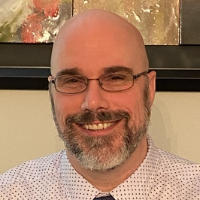
About James
He uses a practical, person-focused style in sessions. That means listening first, then building steps that feel doable. He draws on cognitive behavioral tools to help change unhelpful thinking and behavior. He also uses acceptance and commitment ideas to help people name their values and take committed action.
James earned a master’s degree in counseling and psychology from Troy University in 2016. He holds the LMHC credential in Florida and has worked in mental health and addictions since 2012. His background includes helping people with substance use and dual diagnosis, PTSD, obsessive thoughts, and a range of mood and stress concerns.
He describes his approach as eclectic and client-centered - tailoring methods to each person rather than using a single technique for everyone. He also brings openness to spiritual concerns when clients want that included in therapy.
Sessions aim to help clients heal, gain energy, and act more in line with their goals. James emphasizes a steady, supportive process and works with each person to set realistic steps toward change.
How therapeutic approaches guide online work
Acceptance and Commitment Therapy (ACT) helps people notice difficult thoughts and feelings without getting stuck in them, then choose actions that match their values. It is often used for anxiety, depression, trauma responses, and life transitions. Cognitive Behavioral Therapy (CBT) focuses on identifying patterns of thinking and behavior that feed distress and practicing new, concrete skills to change those patterns. It can help with anxiety, mood struggles, addictions, and anger. Client-Centered Therapy emphasizes a supportive, nonjudgmental relationship where the person’s goals guide each session and the therapist follows the client’s lead.Finding the right approach is part of the work. The therapist collaborates with each client to figure out which methods fit their needs, goals, and preferences. That might mean blending ACT, CBT, and client-centered techniques over time, and adjusting based on what helps most.
Confirm current session options before booking because formats are not listed in the biography. Online therapy can make it easier to fit sessions into a busy life, reduce travel time, and allow check-ins during breaks or from different locations. It can also let people choose shorter or longer sessions as needed and avoid the need to be on camera when that feels difficult. Licensed professionals can use these options to help clients keep therapy consistent while they work toward their goals.
Frequently asked questions
What concerns does James focus on?
He works with adults on stress, anxiety, addictions, depression, trauma and abuse, grief, relationship and family issues, anger, self-esteem, ADHD, and related concerns.
What is his therapeutic style like?
His style is client-centered and practical, focusing on listening first and then building doable steps. He adapts methods to fit each person rather than following one fixed protocol.
How much experience does he have?
He has been working in mental health and addictions since 2012, giving him about 13 years of experience supporting adults with a wide range of issues.
What credentials and region should I know about?
He is a Licensed Mental Health Counselor (LMHC) in Florida and completed a master’s degree in counseling and psychology from Troy University in 2016.
In which languages can I speak with him?
Sessions are offered in English, and he accepts clients internationally.
What session formats are available?
Please confirm current session format options before booking, as the biography does not list specific formats.
How does pricing work?
Cost varies with location and therapist availability; sessions use a subscription that can be canceled at any time.
How do I start working with him?
Use the Start Therapy button, complete a short matching questionnaire, and schedule sessions according to the therapist's availability.