- Trauma and abuse
- EMDR and DBT
- Client-centered care
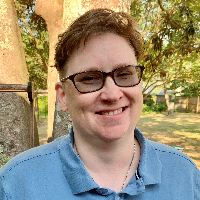
About Heather
Heather has about 10 years of practice and lives in North Carolina. Their background includes work with elder care, community mental health, university students, the LGBTQIAP+ community, plural communities, and frontline workers. That range has shaped how they support people facing complex, long-standing problems.
Their clinical approach blends client-centered care with targeted techniques. Heather uses EMDR to address distress linked to traumatic memories, and they incorporate DBT skills for emotion regulation and coping. They also draw on emotionally-focused ideas and existential questions when those fit a person's goals.
Sessions often include practical exercises, skill building, and space to process painful memories at a pace the person chooses. Heather also brings creativity into sessions, including movement and expressive arts when helpful. They emphasize teamwork, so clients help pick which techniques to try.
Outside of practice, Heather writes, speaks, and advocates to increase accurate public understanding of dissociative disorders. Their lived experience informs a direct perspective on recovery and long-term coping. Prospective clients should confirm current session options before booking.
How Heather's approaches translate to online therapy
Heather uses Client-Centered Therapy, Dialectical Behavior Therapy (DBT), and Eye Movement Desensitization and Reprocessing (EMDR) in ways that can work well through remote sessions. Client-centered work focuses on listening and reflecting so people feel heard, which helps when discussing sensitive topics. DBT brings concrete skills for managing intense emotions and stress, useful for practicing coping techniques between sessions. EMDR addresses traumatic memories through guided processing to reduce distress related to past events.Choosing the right approach is part of the work together. Heather will discuss goals, preferences, and what feels manageable, then suggest methods to try. That collaborative stance makes it easier to adjust plans if something does not fit.
Session formats are not specified here, so confirm current options before booking. In general, online therapy can make it simpler to fit sessions into a busy week, avoid travel time, and use shorter check-ins when that is helpful. It also lets people access a therapist who has experience with trauma, dissociative concerns, and LGBTQIAP+ issues even if they live far from the clinician's office.
Frequently asked questions
What concerns does Heather commonly address
Heather works with people facing trauma and abuse, stress, anxiety, addiction, depression, relationship and intimacy issues, grief, anger, self-esteem, ADHD, and related concerns.
How would you describe Heather's therapy style
The approach is collaborative and client-centered, combining skills training, memory‑focused work, and emotionally-focused conversation to match each person's needs.
What experience does Heather bring to sessions
Heather has about 10 years of clinical experience and has worked in elder care, community mental health, university settings, and with LGBTQIAP+ and frontline communities.
What are Heather's credentials and where are they based
Heather holds the Licensed Clinical Mental Health Counselor credential (LCMHC) and practices in North Carolina.
Which languages and international arrangements are supported
Sessions are offered in English and Heather accepts international clients.
What session formats are available
Session formats are not specified here, so confirm current options before booking to know which formats Heather is offering.
How does payment and cost work
Cost varies with location and therapist availability; sessions use a subscription that can be canceled at any time.
What steps should I take to begin therapy
Click the Start Therapy button, complete a short matching questionnaire, and schedule according to the therapist's availability.