- Trauma and abuse
- Warm collaborative style
- 34 years experience
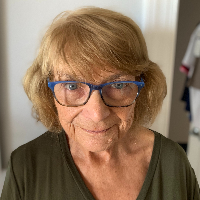
About Deborah
Her background includes work with U.S. Air Force and U.S. Navy family centers where she helped design a transitional program for service members leaving the military. She has provided counseling for service members and their families facing separation, uncertainty, and depression. Deborah has also conducted comprehensive assessments in the foster care system and supported victims of emotional, physical, and sexual abuse.
Deborah describes her counseling style as warm and interactive. She emphasizes respect, sensitivity, and compassion and avoids stigmatizing labels. Sessions are conversational and tailored to each person’s situation, with the therapist and client working together to set goals.
Her approach draws from client-centered methods alongside cognitive behavioral strategies, mindfulness ideas, motivational techniques, and EMDR when appropriate. Deborah adapts her plan to fit the issues presented, whether the focus is parenting, career conflict, grief, or coping with life changes.
Clients can expect practical steps and supportive dialogue aimed at reducing symptoms and improving daily functioning. Deborah invites people ready to make changes to take a first step toward a more fulfilling life.
Approaches used in online therapy and how they help
Deborah uses client-centered therapy to keep conversations focused on each person’s priorities. This approach means the therapist listens closely and helps clients set goals they care about, which can help with self-esteem, relationship concerns, and decision-making.She also draws on cognitive behavioral therapy, which looks at how thoughts affect feelings and behavior. CBT is practical and action-oriented, and it can help with anxiety, depression, stress, and coping with life changes.
Eye Movement Desensitization and Reprocessing, or EMDR, is part of her toolkit for addressing trauma-related memories and strong emotional reactions. EMDR aims to reduce distress linked to painful memories so people can move forward with less reactivity.
Finding the right approach is a collaborative process. The therapist will talk with the client about symptoms, goals, and preferences and then suggest methods to try. Plans are adjusted over time based on what is helpful.
Confirm the session formats Deborah currently offers before booking, as session options are not specified here. Online therapy can make it easier to fit appointments into a busy life, shorten check-ins when time is tight, and reduce travel time. Licensed professionals can tailor pacing and homework to everyday routines so that therapy supports real-life changes without adding undue burden.
Frequently asked questions
What concerns does Deborah commonly address?
She works with stress, anxiety, trauma and abuse, anger, depression, grief, relationship issues, caregiving and related concerns listed in her profile.
How would you describe her therapeutic style?
Her style is warm and interactive, focused on respect and compassion while avoiding stigmatizing labels.
What is her professional background?
She has 34 years of experience, a graduate degree in counseling from the University of Memphis, and work history in military family centers and foster care assessments.
What credentials and location are listed for her?
She is a Licensed Mental Health Counselor (LMHC) practicing in Florida.
Which languages are supported for sessions?
Sessions are offered in English.
Can international clients work with her?
She is not currently accepting international clients.
How is cost handled for sessions?
Cost varies by location and therapist availability; sessions use a subscription that can be canceled at any time.
How do I begin working with Deborah?
Select the Start Therapy button, complete a short matching questionnaire, and schedule according to therapist availability.