- Trauma and abuse focus
- Values-based strategies
- Skills for emotion regulation
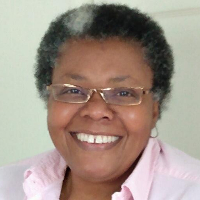
About Cherie
Cherie draws on practical methods to help clients build skills for coping and for managing intense feelings. She uses techniques from cognitive behavioral work to spot unhelpful patterns and Dialectical Behavior Therapy strategies to increase emotional regulation. Acceptance and Commitment Therapy helps clients clarify values and take steps that matter to them.
She also incorporates attachment-based and client-centered ideas to strengthen self-understanding and relationships. That means sessions often focus on how past connections shape current reactions and on providing a steady, respectful space to talk things through. The goal is to create tools that can be used between sessions.
Cherie has nine years of experience working with concerns such as grief, addiction, intimacy-related issues, anger, career stress, and compassion fatigue. She pays attention to the needs of LGBTQ people and to the stresses that come with major life transitions. Her work includes support for caregiver stress, family-of-origin matters, and first responder issues.
Practical steps are central in her approach. Clients work on clear, achievable goals. Progress is tracked by changes in daily routines, coping skills, and relationships rather than on labels or diagnoses.
How her approaches guide online therapy
Cherie uses Cognitive Behavioral Therapy and Acceptance and Commitment Therapy to help people recognize unhelpful thinking and take meaningful action. CBT focuses on identifying and changing thought and behavior patterns that keep problems going, which can help with anxiety, depression, and stress. ACT emphasizes values and committed action, helping people move toward what matters despite difficult feelings.Finding the right approach is part of the work. Cherie works collaboratively to choose or blend methods based on each person’s goals, symptoms, and preferences. She checks in over time and adjusts strategies when something isn’t helping.
Confirm current session options before booking since specific formats are not listed here. Online therapy can make it easier to fit appointments into a busy life, cut commuting time, and keep regular momentum between sessions. It also allows shorter check-ins when a quick update is needed, and phone sessions can reduce bandwidth needs or screen time. Licensed professionals can adapt these approaches effectively for remote work, focusing on concrete skills, values-based action plans, and emotional regulation exercises that translate to everyday routines.
Frequently asked questions
What kinds of concerns does she help with?
Cherie works with stress, anxiety, depression, grief, addiction, relationship and intimacy issues, and trauma and abuse. She also addresses career strain, compassion fatigue, and many life transitions.
What is her therapeutic style like?
She uses a direct, compassionate approach that blends practical skill-building with space to make meaning of past experiences. Sessions aim to teach tools that clients can use in daily life.
How much experience does she have?
She has nine years of clinical experience working with adults on mood, trauma-related concerns, relationship dynamics, and stress management.
Where is she licensed and based?
She is a Licensed Professional Counselor, listed as LPC, practicing in Virginia.
Which languages are sessions offered in?
Sessions are offered in English.
Can people outside the U.S. work with her?
She is not accepting international clients at this time.
How are costs handled for sessions?
Cost varies with location and therapist availability; sessions use a subscription that can be canceled at any time.
How do I begin if I want to work with her?
Click the Start Therapy button, complete a short matching questionnaire, and schedule according to therapist availability.