- Trauma and abuse
- Values-based tools
- Person-centered care
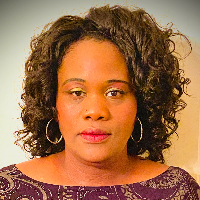
About Cassandra
Her work emphasizes clear, practical conversations. Sessions focus on what is happening now and on small steps people can try between meetings. Cassandra uses approaches that encourage values-based choices and understanding of emotions to guide change rather than relying on jargon or long lists of techniques.
Cassandra combines person-centered listening with methods drawn from cognitive behavioral and acceptance and commitment approaches. She aims to make therapy feel collaborative so people can shape goals that fit their daily lives. She also draws on emotionally focused and existential ideas when relationships or meaning are central concerns.
Clients come for help with relationships, family and intimacy-related issues, eating and sleeping concerns, parenting strain, career decisions, grief, addiction, ADHD, and compassion fatigue among other struggles. Cassandra also addresses less common areas such as BDSM, kink-related topics, attachment and personality-related concerns, and caregiver stress.
People who prefer straightforward, values-oriented work and who want practical, concrete tools often find her style helpful. Her background in ministry and community leadership informs a whole-person view that considers spiritual as well as emotional needs when relevant.
How therapeutic approaches guide online work
Acceptance and Commitment Therapy (ACT) helps people clarify what matters to them and take small actions that reflect their values. It is useful for anxiety, stress, and when someone wants to build a meaningful life despite difficult feelings. Cognitive Behavioral Therapy (CBT) focuses on practical skills to change unhelpful thinking and behavior patterns, and it can help with depression, anxiety, sleep, and coping strategies. Client-Centered Therapy centers on listening and understanding so clients can find their own solutions; it supports people who need space to make sense of emotions and decisions.Choosing the right approach is part of the work. Cassandra treats that choice as a collaboration and will help clients try methods that match their goals and comfort level. She adjusts tools over time based on what is or isn’t helping.
The biography does not list specific online session formats, so confirm current options before booking. Many people find online work helpful because it can fit into a busy day, remove travel time, and allow shorter check-ins when schedules are tight. Online sessions can also make it easier to maintain regular appointments during life changes or when coordinating across regions. Licensed professionals will discuss which approaches and practical arrangements make the most sense for each person.
Frequently asked questions
What kinds of concerns does she address?
She helps people with stress, anxiety, trauma and abuse, grief, depression, addictions, relationship and intimacy-related issues, and many life transitions.
What is her therapeutic style like?
Her style is collaborative and down-to-earth, blending person-centered listening with practical exercises from cognitive and acceptance-based approaches.
How much clinical experience does she have?
She has nine years of counseling experience working in clinical and community settings.
What credentials and location are listed for this therapist?
She holds the LPC credential and practices in South Carolina.
Which languages are supported and are international clients allowed?
Sessions are offered in English and international clients are accepted.
What session formats are offered?
The original biography does not specify session formats, so confirm current session options with the service before booking.
How does pricing work for sessions?
Cost varies with location and therapist availability; sessions use a subscription that can be canceled at any time.
How do I begin working with this therapist?
Select the Start Therapy button, complete a short matching questionnaire, and then schedule according to therapist availability.