- Trauma and grief
- Anxiety and stress
- Practical coping
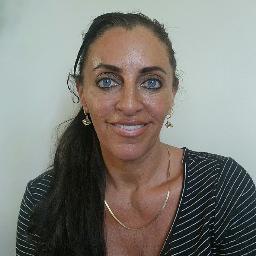
About Carol
She blends clinical knowledge with life experience to help clients name what feels hard to say. That work often looks like slowing down the mind, using breath and grounding practices, and paying attention to the body’s signals. She also encourages meditation and basic health habits alongside talk work.
Carol describes therapy as a collaborative process. She asks questions, listens closely, and offers perspectives to help lift the fog around difficult decisions. When answers are not yet visible, she helps people find better questions that move them forward.
Her approach attends to both the painful parts of trauma and the survival skills those parts developed. She helps people release what no longer serves them while honoring the strengths that came from struggle. This includes support for relationship problems, addictions, parenting strain, and issues around self-esteem and identity.
Clients from many backgrounds have worked with Carol during her career in Florida. She uses several evidence-informed approaches to tailor work to each person’s needs, aiming for practical change through clearer choices and steady steps toward healthier patterns.
Approaches that guide online therapy choices
Carol draws on Acceptance and Commitment Therapy and Attachment-Based Therapy to shape her work. Acceptance and Commitment Therapy (ACT) helps people notice thoughts and feelings without fighting them, then pick actions that match their values; this can be useful for anxiety, stress, and when patterns feel stuck. Attachment-Based Therapy focuses on patterns in close relationships and how early connections shape current trust and closeness; it can help with relationship struggles, abandonment concerns, and attachment issues.Finding the right approach is part of the process. Carol uses conversation and simple practices to figure out what fits each person. She works collaboratively, checking in about what helps and adjusting methods based on goals and preferences rather than applying a single formula.
The practical benefits of remote work include fitting sessions into a busy life and keeping momentum between appointments. The biography did not list specific session formats, so confirm the available options before booking. Many people find that meeting from a convenient location makes it easier to attend regularly, and some sessions can focus on shorter check-ins or breathing and grounding exercises when time is limited.
Frequently asked questions
What kinds of concerns does this therapist address?
Areas include trauma and abuse, stress and anxiety, grief, addictions, relationship and communication problems, parenting strain, self-esteem issues, and compassion fatigue.
How would you describe the therapeutic style?
The style is collaborative and reflective, using breath work, meditation, and slowing the mind alongside talk therapy to help people make clearer decisions.
How much clinical experience does the therapist have?
Carol has 14 years of experience working with people from diverse backgrounds on trauma, grief, anxiety, and related concerns.
What credentials and location are listed?
She is an LCSW - Licensed Clinical Social Worker - practicing in Florida.
Are sessions offered in other languages or to international clients?
Sessions are offered in English and international clients are accepted.
What session formats are available?
The original biography does not specify session formats. Please confirm current session options before booking.
How are fees and payment handled?
Cost varies with location and therapist availability; sessions use a subscription that can be canceled at any time.
How do I begin working with this therapist?
Choose the Start Therapy button, complete a short matching questionnaire, and schedule according to therapist availability.