- Client-centered care
- Skills-based tools
- Compassionate support
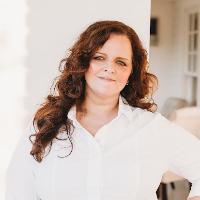
About Amanda
She favors client-centered work that starts with the person's goals. That means conversations that follow what matters most to each person and build from their strengths. Amanda also uses cognitive behavioral ideas to spot and shift unhelpful thinking patterns, and she brings skills from dialectical behavior work to help with big emotions and coping.
Her background includes roles as a substance abuse counselor and work in group home and hospital settings. Those experiences shaped how she approaches crisis, relapse risk, and high-stress situations. She emphasizes grounding techniques, pacing treatment to the individual, and practical steps toward better daily functioning.
Amanda aims to help people reframe difficult stories and increase self-care. Sessions often include skill practice, reality-tested thinking exercises, and planning for manageable change. She describes her role as a facilitator and supporter who honors compassion and empathy.
People who turn to Amanda often want help with parenting strain, relationship communication problems, body image, chronic illness or caregiver stress, and life transitions. She is based in South Carolina and brings a direct, steady style to sessions.
How Amanda’s Approaches Translate to Online Work
Amanda blends client-centered work with cognitive behavioral therapy and dialectical behavior therapy. Client-centered work means sessions focus on what the person says matters most and build from their strengths. Cognitive behavioral therapy looks at how thoughts affect feelings and behavior and uses simple exercises to test new ways of thinking. Dialectical behavior therapy adds concrete emotion regulation and distress-tolerance skills to help during intense moments.Finding the right approach is collaborative. Amanda will talk with a person about goals and preferences, try approaches that fit, and adjust as needed. The aim is to pick methods that match the issues someone brings and the pace they want to move at.
Confirm the current online session options before booking since formats are not listed here. Online therapy can make it easier to fit sessions into a busy life, allow a shorter check-in when needed, and reduce travel time. It also makes it possible to practice grounding and coping skills in day-to-day settings and to bring work on communication and routines into real life more quickly.
Frequently asked questions
What concerns does Amanda commonly address?
She works with stress, anxiety, addictions, trauma and abuse, depression, ADHD, parenting strain, anger, self-esteem, bipolar symptoms, and coping with life changes. Additional focus areas include attachment issues, caregiver stress, chronic illness, body image, and divorce.
What is her therapeutic style like?
The style is client-centered and collaborative. Amanda uses practical skill building from cognitive behavioral therapy and emotion regulation tools from DBT to manage strong feelings.
How much clinical experience does she have?
She has eight years of experience, including work as a substance abuse counselor and roles in group home and hospital settings.
What credentials and location information are provided?
She holds the LPC credential and practices in South Carolina. The profile lists Licensed Professional Counselor as her credential.
In which language are sessions offered?
Sessions are offered in English.
Can people from other countries schedule sessions?
International clients are not currently accepted.
How are sessions paid for and what do they cost?
Cost varies with location and therapist availability; sessions use a subscription that can be canceled at any time.
How do I begin working with Amanda?
Click the Start Therapy button, complete a short matching questionnaire, and then schedule according to therapist availability.