- Trauma and abuse
- Anxiety and stress
- LGBT-affirming care
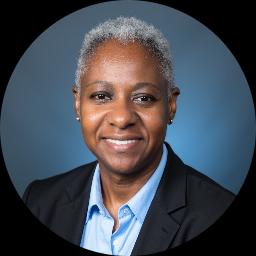
About Acquanita
She uses simple, straightforward methods in sessions. That means talking through what feels most urgent, learning ways to manage strong emotions, and trying small changes that make daily life easier. Progress is paced to each person's needs and goals.
Pettis draws on 12 years of experience in behavioral health across South Carolina. She blends Attachment-Based Therapy, Client-Centered Therapy, Cognitive Behavioral Therapy, Dialectical Behavior Therapy, and Emotionally-Focused Therapy to match what each person needs in the moment. She focuses on helping people improve communication, reduce anxiety, and rebuild a sense of worth.
In practice she addresses concerns such as abandonment, attachment issues, codependency, family-of-origin problems, and substance use struggles alongside trauma and abuse. She also supports people working through anger, guilt and shame, and life-purpose questions.
Sessions are offered in English and operate within the licensing framework noted as LCSW and LISW-CP. People interested in beginning can use the site's Start Therapy process to complete a short matching questionnaire and schedule according to therapist availability.
How therapeutic approaches translate to online work
Attachment-Based Therapy focuses on how early relationships shape current connection patterns and emotional responses. Online sessions can use this approach to identify recurring relationship patterns and practice new ways of relating in real time.Client-Centered Therapy prioritizes the person's experience and pacing. In an online setting that means the therapist follows the client's lead, offers reflection, and helps people find their own solutions to problems like anxiety or low self-worth.
Cognitive Behavioral Therapy (CBT) looks at thoughts, feelings, and behaviors and invites practical experiments to change unhelpful patterns. Over video or phone, a therapist can coach on coping skills, guide behavioral experiments, and assign short exercises between meetings.
Finding the right approach is part of the work. The therapist will collaborate with each client to decide which methods fit their goals, needs, and preferences. That decision can shift as progress is made, with approaches combined when useful.
Session formats are not specified in the profile, so confirm current options before booking. Online sessions can make it easier to fit therapy into a busy life - for example they can reduce travel time, allow shorter check-ins when needed, or make it easier to schedule around work or caregiving. Licensed professionals can use the same therapeutic tools online as in person to address stress, trauma, relationship patterns, and mood symptoms.
Frequently asked questions
What concerns does Acquanita Pettis address?
She helps people with stress, anxiety, trauma and abuse, self-esteem, anger, and LGBT-related issues, plus related topics like attachment problems, codependency, and family-of-origin issues.
What is her therapeutic style like?
Her approach is direct and compassionate, focusing on practical skills, emotional regulation, and clearer communication tailored to each person's needs.
How much experience does she have?
She brings 12 years of experience working in behavioral health settings in the Carolinas.
What credentials and region are listed for this therapist?
Credentials shown are LCSW and LISW-CP, with practice in South Carolina.
Can I work with her in other languages or from other countries?
Sessions are offered in English and she is not currently accepting international clients.
What session formats are available?
Please confirm current session options before booking, as the profile does not list specific formats.
How does cost and billing work?
Cost varies with location and therapist availability; sessions use a subscription that can be canceled at any time.
How do I begin working with her?
Select the Start Therapy button, complete a short matching questionnaire, and schedule according to therapist availability.