- Evidence-based care
- Skill focused
- Nonjudgmental listening
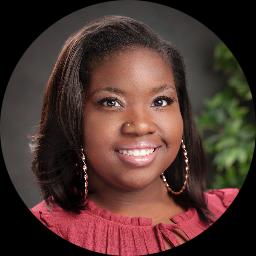
About Whitney
Her approach centers on evidence-based therapeutic techniques tailored to each person's needs. She listens closely to understand what matters most, then helps set clear, achievable goals. Sessions focus on making small, useful changes that add up over time.
Whitney often uses techniques drawn from cognitive-behavioral methods and exposure-focused work to address anxious thoughts and avoidance. She also draws on person-centered and strengths-based perspectives to reinforce what is already working in a person’s life. These tools are mixed to fit each situation rather than applied the same way to everyone.
She also addresses related concerns such as coping with life changes, isolation or loneliness, communication problems, codependency, and issues around guilt or shame. Whitney includes attention to topics like aging and geriatric issues, BDSM and kink in therapy when they are relevant to a person’s goals.
Her style is collaborative and direct. People can expect practical exercises, reflection, and planning between sessions. Whitney encourages gentle progress and helps people notice skills that build resilience over time.
How Whitney Uses Practical, Evidence-Based Techniques Online
Whitney commonly draws on cognitive-behavioral methods, which focus on spotting unhelpful thoughts and trying new ways of responding. This approach is useful for anxiety, stress, and low self-esteem because it teaches clear, repeatable skills.She also uses exposure-informed techniques to gently reduce avoidance and build confidence facing difficult situations. When relevant, person-centered and strengths-based ideas are woven in to acknowledge what already works and to build on personal resources.
Finding the right approach is a collaborative process. Whitney will work with each person to choose techniques that match their goals, pace, and comfort level. She adapts tools over time when something isn’t working and invites feedback about what helps most.
Session format details are not specified here, so confirm current session options before booking. In general, online work can make it easier to fit therapy into a busy week, reduce travel time, and allow quick check-ins that keep momentum between appointments. It also lets people use quieter surroundings, shorter meeting styles, or audio-only meetings when those help focus on the work rather than technology.
Frequently asked questions
What concerns does Whitney help with?
She supports people dealing with stress, anxiety, relationships, trauma and abuse, self-esteem, and coping with life changes. She also works on related issues like communication problems, codependency, and isolation.
How would you describe her therapy style?
Her style is collaborative and practical. Sessions include listening, hands-on strategies, and small tasks to practice between meetings.
What is her background and experience?
She is a Licensed Clinical Social Worker with three years of experience in clinical practice. Her work focuses on applying evidence-based techniques tailored to each person.
Where is she licensed and practicing?
She holds an LCSW license in North Carolina and provides services from that state.
Which languages are available for sessions?
Sessions are offered in English.
Can international clients work with her?
She is not currently accepting international clients.
How does payment and cost work?
Cost varies with location and therapist availability; sessions use a subscription that can be canceled at any time.
How do I begin a therapy process with her?
Choose the Start Therapy button, complete a short matching questionnaire, and schedule a session according to the therapist's availability.