- Client-centered care
- CBT and DBT tools
- Trauma informed focus
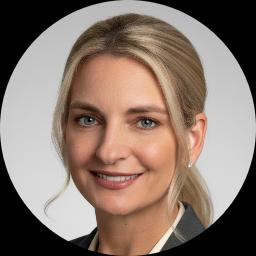
About Waynette
Waynette draws on client-centered ideas to build a respectful, listening relationship. She also uses cognitive behavioral techniques to spot unhelpful thoughts and try new behaviors. Dialectical behavior therapy skills and mindfulness strategies are added when emotional regulation and staying present are key goals.
Her approach pays attention to how family patterns, birth order, and past experiences shape current choices. Sessions focus on setting concrete goals and using short-term strategies that fit daily life. Motivational interviewing and solution-focused ideas are woven in to support problem solving and strengthen motivation.
Waynette has 12 years of counseling experience and works from a practical, future-oriented stance. She aims to help people build skills for coping with life changes, managing anger, improving communication, and reducing shame or guilt. The goal is steady progress, one clear step at a time.
Sessions are offered in English and are coordinated through the platform sign-up process. Prospective clients should use the Start Therapy button to complete a short matching questionnaire and schedule based on availability.
How therapy styles translate into online care
Client-centered therapy puts the person's goals and experience first. In practice this means the therapist listens closely, reflects what she hears, and helps clients decide the next steps that matter to them. Cognitive Behavioral Therapy, or CBT, focuses on identifying unhelpful thoughts and testing small behavior changes to reduce anxiety, depression, and stress. Dialectical Behavior Therapy, or DBT, teaches concrete skills for managing strong emotions, improving interpersonal effectiveness, and tolerating distress.Finding the right mix of approaches is part of the work. The therapist will collaborate with each person to pick techniques that fit their needs, goals, and daily routine. That may mean trying CBT techniques for thought patterns, adding DBT skills when emotions feel overwhelming, or using mindful practices to reduce reactivity.
Confirm which session formats are available before booking, since format details are managed through the platform. Online work can make it easier to fit therapy into a busy schedule by reducing travel time, allowing shorter check-ins when needed, and offering options that suit quieter or lower-bandwidth situations. Licensed professionals can help shape session length and focus so therapy matches what a person wants to achieve.
Frequently asked questions
What kinds of problems does this therapist help with?
Areas of focus include stress, anxiety, parenting challenges, depression, ADHD, addictions, relationship and family concerns, trauma and abuse, and self-esteem issues.
What is the therapist's general approach in sessions?
The practice emphasizes a client-centered stance with goal-setting, cognitive behavioral techniques, dialectical behavior therapy skills, mindfulness, and motivational interviewing to support concrete behavior change.
How much clinical experience does the therapist have?
She brings 12 years of experience working with a range of concerns and focuses on practical steps and skills to help clients move forward.
What credential and where does the therapist practice?
She is a Licensed Mental Health Counselor - LMHC - practicing in Florida.
Which languages are offered for sessions?
Sessions are offered in English.
Are international clients supported?
International clients are not currently accepted.
How are fees and payment handled?
Cost varies with location and therapist availability and uses a subscription model that can be canceled at any time.
How do I begin working with this therapist?
Click the Start Therapy button, complete a short matching questionnaire, and then schedule sessions according to the therapist's availability.