- Trauma and abuse
- Addictions and grief
- Practical coping skills
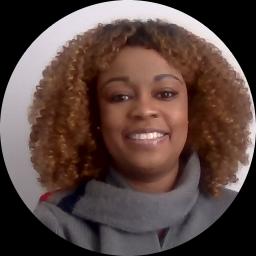
About Tovakyshe
He uses straightforward, goal-focused methods. Sessions often include talking through difficult memories, practicing new coping skills, and learning ways to handle stress or relationship strain. He pays attention to how everyday routines and choices affect mood and functioning.
Tovakyshe combines Acceptance and Commitment Therapy with cognitive and mindfulness tools. He also uses client-centered techniques and motivational interviewing to support decision making and commitment to change. These methods are used to address problems like addiction, self-esteem struggles, grief, and trauma and abuse.
His background includes long experience in human services and work with a range of concerns tied to family situations, foster care, abandonment, and caregiver stress. That practical experience informs his focus on clear steps and realistic goals rather than long lists of theory.
People who choose him can expect a calm, direct approach that balances validation with action. He helps people notice patterns, try new behaviors, and adjust goals as life shifts. For specific session formats, please confirm current options before booking.
Approaches that translate to online care
Acceptance and Commitment Therapy, or ACT, focuses on noticing thoughts and values and taking committed steps toward what matters. It can help with trauma-related avoidance, anxiety, and motivation concerns. Cognitive Behavioral Therapy, CBT, looks at the links between thoughts, feelings, and behaviors and teaches skills to change unhelpful patterns; it often helps with anxiety, depression, and stress. Client-Centered Therapy centers the person’s own goals and pace, giving space for people to feel heard and to shape what they want to work on.Finding the right approach is a collaborative process. The therapist will talk with the client about goals, try tools, and adjust methods based on what works. Sessions can combine elements from different approaches to better match needs and preferences.
Please confirm current session options before booking, as specific formats are not listed here. Online therapy can make it easier to fit sessions into busy schedules, shorten travel time, and allow for quicker check-ins when life gets hectic. It can also support clearer homework practice between sessions, like mindfulness exercises or CBT worksheets, so progress continues between meetings.
Frequently asked questions
What concerns does this therapist address?
Tovakyshe supports people facing trauma and abuse, addictions, grief, anxiety, depression, stress, self-esteem issues, and related relationship or family challenges.
What is his therapeutic style like?
He uses a calm, direct, and practical style that mixes listening with clear steps to try between sessions.
What experience does he bring?
He has five years as an LCSW and two decades in the human service field, which shapes his practical approach to complex issues.
What are his credentials and where is he located?
He holds an LCSW and practices in North Carolina.
Which languages are supported?
Sessions are offered in English.
Can international clients work with him?
He does not accept international clients at this time.
How are fees handled?
Cost varies with location and therapist availability; sessions use a subscription that can be canceled at any time.
How do I begin working with him?
Select the Start Therapy button, complete a short matching questionnaire, and schedule according to therapist availability.