- Client-centered care
- Practical coping skills
- Mindfulness tools
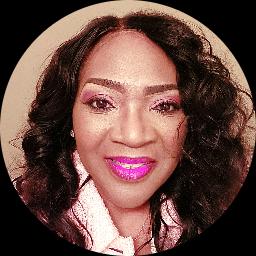
About Tonia
Dr. Hoskins keeps sessions focused and practical. She listens for each person’s story and helps them name what feels most urgent. Her approach blends client-centered care with cognitive behavioral techniques and mindfulness practices to shape day-to-day coping skills. She also draws on emotionally focused ideas and motivational interviewing when those match a person’s goals.
Her background includes a bachelor’s and master’s degree in social work from Georgia State University and a PhD from Walden University. The PhD research looked at African American women’s clinical experiences with European American clinicians. She has about eight years of clinical practice and experience in varied settings, including roles as a forensic liaison and a veterans department coordinator.
People who reach out can expect someone who pays attention to culture and individual perspective. She has experience managing clinical programs and improving access to services. That informs how she organizes care and follows up on progress.
Dr. Hoskins practices in Georgia and works in English. To begin, prospective clients complete a short matching questionnaire and schedule according to therapist availability.
How therapeutic approaches are used online
Client-Centered Therapy focuses on listening and reflecting what matters to the person. The therapist follows the client’s pace and helps them shape goals based on their own priorities.Cognitive Behavioral Therapy (CBT) breaks problems into thoughts, feelings, and behaviors and teaches simple skills to shift unhelpful patterns. It is often useful for anxiety, depression, and stress management.
Emotionally-Focused Therapy helps people identify and respond to core emotions that affect relationships and attachment. It can be helpful for intimacy-related issues and navigating strong feelings during life changes.
Finding the right approach is a collaborative process. The therapist will work with each person to decide which methods match their needs and goals, and will adjust strategies over time as progress and preferences become clear.
If you are considering online sessions, confirm current session options before booking since specific formats are not listed here. Online work can make scheduling easier and help fit therapy into a busy day. It can also allow shorter check-ins, reduce travel time, and let people join from different locations when that suits them. Licensed professionals can adapt these approaches for remote work and help clients practice skills between visits.
Frequently asked questions
What concerns does this therapist address?
She works with stress, anxiety, depression, trauma and abuse, and parenting issues, plus relationship, grief, anger, self-esteem, ADHD, and related concerns listed in her specialties.
What is her therapeutic style like?
The approach is collaborative and practical, using client-centered listening alongside cognitive behavioral strategies, mindfulness, and emotionally focused techniques when helpful.
How much clinical experience does she have?
She has about eight years of clinical experience working in multiple roles, including program leadership and veteran-focused services.
What credentials and location apply?
She holds LCSW and CSW credentials and practices in Georgia.
Which languages and international clients are supported?
Sessions are offered in English and international clients are not currently accepted.
What session formats are offered?
Current session formats are not listed here; please confirm the available options before booking.
How does pricing work for sessions?
Cost varies with location and therapist availability; sessions use a subscription that can be canceled at any time.
How do I begin working together?
Click the Start Therapy button, complete a short matching questionnaire, and schedule sessions according to therapist availability.