- Trauma and abuse focus
- Skills-based strategies
- Values-driven work
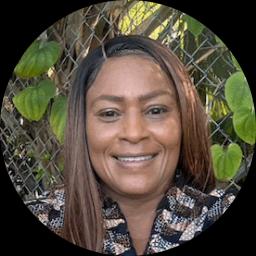
About Telisa
Telisa uses practical, evidence-informed approaches to help clients notice patterns and try new ways of coping. She draws on Cognitive Behavioral Therapy to spot and shift unhelpful thinking, and Acceptance and Commitment Therapy to clarify values and build committed action. She also incorporates attachment-focused ideas to address relational wounds and emotional patterns.
In sessions she listens closely and asks straightforward questions to create options rather than quick fixes. Clients work on skills for managing panic, reducing avoidance, and handling painful memories at a pace that fits them. She also helps people with self-esteem, body image, and the fallout from separation or loss.
With eight years of clinical experience, Telisa blends practical skill-building with conversations about meaning and purpose. Her background includes a Master of Arts in Mental Health Counseling from South University. She keeps learning and adapts methods to each person’s goals.
People who choose her can expect focused, collaborative work aimed at clearer choices and stronger coping. Before starting, confirm current session formats and scheduling details to make sure they fit your needs.
How her approaches translate to online work
Acceptance and Commitment Therapy (ACT) helps people notice their thoughts and choose actions that match their values. It is useful for anxiety, depression, and life transitions when someone wants clearer direction rather than just symptom relief.Cognitive Behavioral Therapy (CBT) focuses on identifying unhelpful thinking and testing new behaviors. It often helps with panic attacks, social anxiety, and problems that respond to structured practice and feedback.
Finding the right approach is part of the process. The therapist will work collaboratively to see which methods fit a person’s goals and preferences, and she will adjust plans as needs change. Clients are invited to try skills and reflect on what helps most.
Confirm the available session options before booking, as specific formats are not listed here. Online therapy can make it easier to fit sessions into a busy life, reduce commuting time, and allow shorter check-ins when needed. It also makes it possible to continue consistent work through transitions and everyday demands while using the techniques and support discussed above.
Frequently asked questions
What concerns does Telisa help with?
She supports people dealing with stress, anxiety, depression, trauma and abuse, and coping with life changes. Additional focus areas include panic, self-esteem, attachment issues, and relationship communication problems.
What is her therapy style like?
Her style is warm, direct, and collaborative with active listening. Sessions emphasize practical skill-building alongside exploring personal values and relationships.
What experience does she bring?
She has eight years of clinical experience and uses a mix of evidence-informed methods to tailor care. Her work balances symptom-focused skills with broader discussions of meaning and purpose.
What credentials and location are listed?
She is a Licensed Mental Health Counselor, LMHC, licensed in Florida. Her graduate degree is a Master of Arts in Mental Health Counseling from South University.
Which languages are sessions offered in?
Sessions are offered in English.
Can people outside the U.S. work with her?
International clients are not currently accepted.
How are sessions paid for?
Cost varies with location and therapist availability; sessions use a subscription that can be canceled at any time.
How do I begin a therapy match?
Click the Start Therapy button, complete a short matching questionnaire, and schedule according to therapist availability.