- Trauma-focused support
- Practical coping skills
- Collaborative goal work
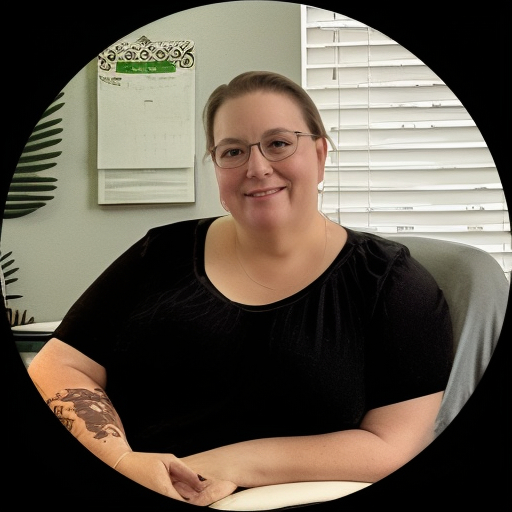
About Susan
She focuses on practical skills alongside emotional processing. That can mean identifying patterns that keep anxiety or anger active, practicing short grounding and mindfulness exercises, or using evidence-informed techniques to lessen the impact of traumatic memories. Conversations are paced to fit what each person can handle in a session.
With eight years of clinical experience, Susan blends person-centered conversations with structured tools like cognitive behavioral methods and EMDR when appropriate. She also draws on motivational interviewing to help people clarify goals and make actionable changes. Sessions emphasize collaboration and small steps that add up over time.
Susan often supports people dealing with relationship concerns, low self-esteem, complications from past abuse, and burnout or compassion fatigue. She also addresses issues such as attachment wounds, communication difficulties, blended family stress, body image, and dissociation. The work balances coping skills, emotional regulation, and exploring how past events influence present choices.
People who come for therapy can expect straightforward, respectful guidance and a focus on workable strategies. Susan guides each person through a plan tailored to their needs, helping them build resilience and steady progress toward clearer goals.
How therapeutic approaches shape online work
Client-Centered Therapy focuses on listening and understanding a person’s perspective. It helps people feel heard while they identify what matters most and set goals for change. Cognitive Behavioral Therapy, or CBT, looks at how thoughts, feelings, and actions interact and teaches practical steps to shift unhelpful patterns and reduce symptoms of anxiety or depression.Susan treats trauma with care and may use EMDR to address distressing memories by pairing focused attention with guided processing. EMDR aims to reduce the intensity of traumatic memories and the emotions tied to them, often alongside other coping strategies.
Finding the right approach is part of the work. The therapist will collaborate with each person to decide which methods fit their needs, goals, and comfort level. That choice can change over time as progress is made and priorities shift.
Confirm the exact online session options before booking, as formats are not specified here. Online appointments can make it easier to fit therapy into a routine, avoid travel time, and keep sessions shorter when needed. They also allow for consistent check-ins and step-by-step skills practice that integrate into everyday life.
Frequently asked questions
What concerns does this therapist commonly address?
Susan works with stress, anxiety, trauma and abuse, anger, depression, relationship and family issues, self-esteem, bipolar challenges, and coping with life changes, among other related concerns.
What is the therapeutic style like in sessions?
The style is collaborative and person-centered, with clear, practical steps. Conversations are paired with skills practice and short exercises to use between sessions.
What kind of clinical experience does the therapist have?
She has eight years of clinical experience working with people who face trauma, anxiety, depression, and related challenges.
What credentials and location are listed for this therapist?
The therapist holds the credential LCSW and practices in Florida under the designation FL LCSW.
In which languages can sessions be held?
Sessions are offered in English.
Are international clients supported for therapy?
International clients are not currently accepted.
How are fees or payment handled?
Cost varies with location and therapist availability; sessions use a subscription that can be canceled at any time.
How do I begin working with this therapist?
To get started, select the Start Therapy button, complete a short matching questionnaire, and schedule according to therapist availability.