- Practical coping skills
- Narrative focused
- Relationship support
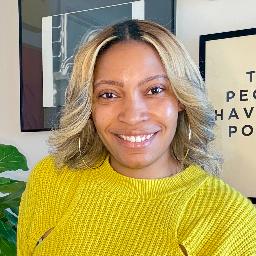
About Sonni
Her approach centers on the stories people tell about themselves. She guides clients to notice unhelpful narratives and to rewrite those stories in ways that feel truer and more useful. That work often includes reading and using written exercises to extend therapy into daily life.
Sonni blends techniques from several approaches, including Acceptance and Commitment Therapy, cognitive behavioral work, Dialectical Behavior Therapy skills, and client-centered listening. She offers structure when helpful and space to reflect when people need that. She also draws on relationship-focused tools to address communication and connection problems.
With six years of clinical experience, Sonni uses plain language and concrete tools. She helps people set small, doable goals and tracks what changes between sessions. Sessions aim to be collaborative, clear, and focused on what the person wants to change.
Sonni holds an LPC credential, which stands for Licensed Professional Counselor. She practices in South Carolina and conducts sessions in English. People interested in exploring narrative work and practical coping skills may find her style approachable and straightforward.
Therapeutic approaches and how they fit into online care
Acceptance and Commitment Therapy, or ACT, helps people notice unhelpful thoughts and make choices that match their values. It is useful for anxiety, stress, and getting unstuck from old habits. Cognitive Behavioral Therapy, or CBT, focuses on identifying patterns of thinking and behavior that contribute to distress and testing new actions to change results. It often helps with depression, anxiety, and mood shifts. Client-Centered Therapy emphasizes a supportive, listening stance where the therapist follows the client's lead and helps people find their own answers.Finding the right approach is part of the work. The therapist will discuss goals and preferences and try methods that fit the person's needs. That way the plan can change if one method doesn't feel helpful, and the client remains an active partner in deciding what to try next.
Confirm current session options before booking as specific formats are not listed here. Online therapy can make it easier to fit sessions into a busy life - for example it can reduce travel time, allow a shorter check-in during a lunch break, or let someone choose not to be on camera when they prefer. Many people find the same therapeutic approaches work well over distance when they can meet with a licensed professional at scheduled times.
Frequently asked questions
What concerns does Sonni help with?
She works with stress, anxiety, grief, self-esteem, depression, bipolar symptoms, trauma and abuse, relationship issues, and related challenges such as codependency and communication problems.
What is her therapeutic style like?
Her style is practical and collaborative, focusing on rewriting personal narratives, setting small goals, and using reading and written exercises to extend work between sessions.
How much clinical experience does she have?
She has six years of experience working with people on a range of emotional and relational concerns.
What credentials and location are listed?
She holds an LPC, which means Licensed Professional Counselor, and she practices in South Carolina.
Which languages are supported for sessions?
Sessions are offered in English.
Can I work with her from outside the United States?
International clients are not currently accepted.
How does pricing work for sessions?
Cost varies with location and therapist availability; sessions use a subscription that can be canceled at any time.
How do I begin the process?
Select the Start Therapy button, complete a short matching questionnaire, and schedule according to therapist availability.