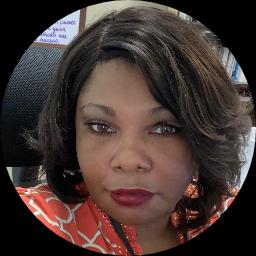
- 20 years experience
- Strengths focused
- Accepts international clients
About Skytina
Her approach starts by treating each person as the expert on their own life. She looks for strengths already present and helps people use those strengths to move past what is holding them back. Meetings are meant to be collaborative and encouraging rather than judgmental.
In sessions she uses straightforward methods from several evidence-informed approaches. Techniques aim to build better coping skills, improve emotional awareness, and change unhelpful patterns in thinking and behavior. She also pays attention to attachment and relational patterns that shape how people connect with others.
Clients often come for help with related issues such as abandonment, adoption and foster care concerns, caregiver stress, body image, chronic illness, blended family challenges, and codependency. Dr. Felder-Jones brings two decades of experience working with these overlapping problems and their day-to-day impacts.
She emphasizes practical steps people can take between meetings. The goal is to help people feel more in control of reactions, manage distressing symptoms, and make clearer choices about relationships and life direction. To begin, follow the site process to match and schedule a first session.
How her approaches translate to online therapy
Acceptance and Commitment Therapy, or ACT, focuses on helping people notice unhelpful thoughts without being ruled by them and commit to actions that match their values. It can help when anxiety, depression, or painful memories get in the way of daily life.Attachment-Based Therapy looks at how early and current relationships shape feelings and behavior. This approach helps people understand why they react a certain way in close relationships and practice new patterns of relating.
Cognitive Behavioral Therapy, or CBT, breaks problems into thoughts, feelings, and behaviors and teaches practical ways to change them. It is often useful for mood issues, anxiety, and managing stressful situations.
Finding the right approach is often a process. The therapist will work collaboratively to match methods to a person’s needs, goals, and preferences. Clients can try strategies and then adjust the plan as they learn what helps most.
Session formats were not specified in the biography, so confirm current options before booking. Online sessions can make it easier to fit therapy into a busy week, shorten travel time, and allow for check-ins that focus on specific skills or brief problem solving. Therapists can use these appointments to teach coping tools, review homework, and support progress between meetings.
Frequently asked questions
What concerns does she address?
She helps people with addictions, relationship problems, trauma and abuse, parenting stress, and bipolar-related concerns, plus many related issues.
What is her therapeutic style?
Sessions are collaborative and strengths based. She works to build practical coping skills and clearer ways of relating.
How much experience does she have?
She has twenty years of professional work experience supporting people through complex emotional and relational issues.
What are her credentials and location?
She holds LMHC and LCPC credentials and practices from Idaho, with a Washington license also noted in her background.
Which languages are supported?
Sessions are offered in English, and she accepts international clients.
What session formats are available?
Session formats were not specified in the biography; please confirm current session options before booking.
How does payment and cost work?
Cost varies with location and therapist availability; sessions use a subscription that can be canceled at any time.
How do I begin working with her?
Select the Start Therapy button, complete a short matching questionnaire, and schedule according to therapist availability.