- Focus on skills
- Collaborative goals
- Practical steps
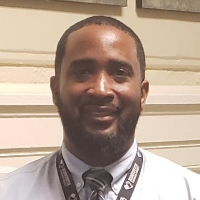
About Sherron
Sherron uses a straightforward, flexible approach. He listens first and then offers tools that fit each person's needs. Those tools come from client-centered work, cognitive behavioral techniques, dialectical behavior ideas, mindfulness, and motivational interviewing. Sessions focus on useful skills, clearer thinking, and finding what motivates change.
He has eight years of clinical experience and practices in Georgia as a Licensed Clinical Social Worker - LCSW. That time includes work with people navigating major life transitions, complex family problems, and the aftermath of traumatic events. He draws on those experiences to respond calmly during setbacks.
In sessions he emphasizes shared decision making. Goals are set together and adjusted as progress is made. People can expect direct conversation, practical exercises, and check-ins about what is or is not helping.
Sherron aims to help people reclaim steady routines and more predictable moods. He focuses on skills for managing strong emotions, improving communication, and reducing behaviors that block progress. He welcomes straightforward questions about how therapy would fit into day-to-day life.
How therapeutic approaches guide online work
Client-Centered Therapy focuses on listening and following your concerns. The therapist reflects what matters to you and helps you decide next steps. Cognitive Behavioral Therapy, or CBT, breaks problems into thoughts, feelings, and actions and teaches practical tools to change unhelpful patterns. Dialectical Behavior Therapy, DBT, adds skills for handling intense emotions, managing crises, and improving relationships.Choosing the right approach is a team effort. The therapist will talk with you about your goals, try techniques that match your needs, and adjust plans based on what helps. That collaborative process makes it easier to find methods that fit your life and what you want to achieve.
Confirm the available session formats before booking, since specific options are not listed here. Online therapy can help fit care into a busy schedule by reducing travel time, allowing shorter check-ins when needed, and making it easier to schedule sessions around work or caregiving. Licensed professionals can use the same CBT, DBT, and client-centered exercises online as they do in person, helping clients practice new skills between meetings and track progress over time.
Frequently asked questions
What concerns does Sherron help with?
He works with stress, anxiety, depression, trauma and abuse, relationship and family issues, grief, addictions, anger, self-esteem, bipolar disorder, ADHD, and related concerns such as abandonment and caregiver stress.
What is his general therapy style?
He listens first and uses a practical, straightforward style. Sessions focus on collaborative goal setting, skill-building, and actions you can use between meetings.
How much experience does he have?
He has eight years of clinical experience working with people facing trauma, mood concerns, relationship strain, and other life stressors.
What credentials and location apply?
He holds LCSW and CSW credentials and practices in Georgia.
Which languages are sessions offered in?
Sessions are offered in English and international clients are not currently accepted.
What session formats are available?
Please confirm current session options before booking, as session formats are not specified here.
How are costs handled?
Cost varies with location and therapist availability; sessions use a subscription that can be canceled at any time.
How do I begin working with him?
Select the Start Therapy button, complete a short matching questionnaire, and schedule according to therapist availability.