- Client-centered care
- Skill building focus
- Goal oriented
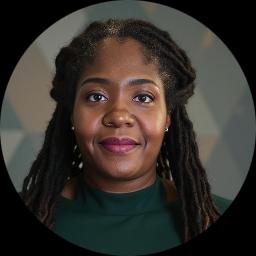
About Sheree
She draws on client-centered care to keep the person's goals at the center of the work. She also uses cognitive behavioral techniques to help change unhelpful thinking and behavior patterns. Dialectical behavior and mindfulness ideas are part of her toolbox when emotion regulation and stress management are priorities.
Sheree has worked across many settings, including residential, outpatient, inpatient, in-home care, and private practice. That range gives her experience with crises, addictions, mood concerns such as depression and bipolar symptoms, and trauma and abuse. She has supported people facing grief, relationship and parenting strains, career stress, and life transitions.
In sessions she aims to help people build clear coping skills, improve communication, and set manageable goals. She also helps clients examine attachment and abandonment issues, codependency patterns, and boundaries when family or blended family dynamics are difficult. Practical tools and steady support are emphasized over jargon.
To begin, Sheree asks people to describe what they want to change. From there she helps shape short-term goals and step-by-step plans to reach them. She works in English and sees people located in Georgia.
How therapeutic approaches translate to online care
Client-Centered Therapy focuses on the person's priorities and strengths. In online sessions this means the therapist listens closely and helps you set goals that matter to you. Cognitive Behavioral Therapy (CBT) looks at the link between thoughts, feelings, and actions and teaches practical tools to change unhelpful patterns. That approach is useful for anxiety, depression, stress, and many everyday problems. Dialectical Behavior Therapy (DBT) offers specific skills for managing intense emotions, reducing impulsive behaviors, and improving relationships. Mindfulness elements help people notice the present moment and reduce reactivity.Deciding which approach to use is a collaborative process. The therapist will review your concerns, try brief techniques, and adjust the plan as you learn what helps. You and the therapist set goals together and check progress over time to refine the approach.
Session arrangements are not listed in the biography, so please confirm current session options before booking. Online therapy can make it easier to fit sessions into busy days, allow shorter check-ins when schedules are tight, and reduce travel time. Licensed professionals can also use phone or video in different ways to match energy levels, bandwidth limits, or the need for a quick coaching-style conversation.
Frequently asked questions
What concerns does she help with?
She helps people with stress, anxiety, depression, bipolar symptoms, addictions, trauma and abuse, grief, relationship and family problems, parenting strain, and career or life changes.
What is her therapeutic style like?
Her approach is warm and supportive while tackling problems directly. Sessions focus on practical skills, emotional regulation, and setting achievable goals.
How many years has she practiced?
She has 18 years of experience working in residential, outpatient, inpatient, in-home care, and private practice settings.
What credentials and location are listed?
She is a Licensed Professional Counselor (LPC) practicing in Georgia.
Which languages are supported?
Sessions are offered in English.
Are international clients accepted?
International clients are not currently accepted.
How does cost and scheduling work?
Cost varies with location and therapist availability; sessions use a subscription that can be canceled at any time.
How do I start a therapy relationship?
Select the Start Therapy button, complete a short matching questionnaire, and schedule according to the therapist's availability.