- Trauma and abuse support
- Client-centered approach
- Practical skill building
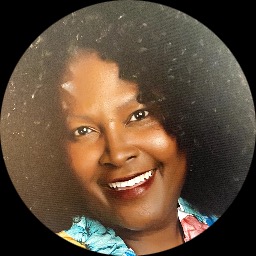
About Sharon
She practices in North Carolina and draws on a client-centered, strength-based way of working. That means she centers each person’s goals and choices while offering tools to manage day-to-day life more effectively. She blends approaches rather than using one fixed method, so sessions are tailored to what feels most useful to the person in front of her.
Sharon commonly uses cognitive behavioral techniques to identify unhelpful thinking and shift patterns that keep problems going. She adds mindfulness skills to help people notice and tolerate difficult feelings without getting swept away. Motivational interviewing and solution-focused strategies are used to clarify values and set small, achievable steps toward goals.
Her background includes long experience in mental health and substance use treatment across a wide range of settings. Sharon describes her work as practical and collaborative - helping people learn skills, make decisions, and rebuild a sense of control after setbacks.
Clients who choose her can expect clear, down-to-earth conversation and hands-on problem solving. She invites people ready for change to begin a process of steady work toward better coping and more satisfying relationships.
Approaches you may use in online sessions
Client-centered work focuses on each person’s goals and values. It involves active listening and reflecting so people can name what matters and decide next steps. This approach helps when someone feels stuck or uncertain about priorities.Cognitive Behavioral Therapy, or CBT, looks at the links between thoughts, feelings, and actions. It teaches concrete skills to challenge unhelpful thoughts and change behaviors that maintain problems like anxiety or depression.
Mindfulness therapy teaches simple attention skills to notice emotions and bodily sensations without reacting automatically. These practices can reduce reactivity to stress and make it easier to tolerate difficult moments.
Choosing the right approach is a collaborative process. The therapist will talk with the client about goals, try techniques, and adjust the plan based on what helps most. That way the work stays practical and aligned with the person’s needs and preferences.
The biography does not list specific online or in-person formats, so confirm session options before booking. Many people find online work helpful for fitting sessions into a busy life - for example, easing travel time, allowing shorter check-ins during a break, or keeping therapy consistent around work and family commitments. A therapist can discuss how to make sessions fit each client’s routine and technology comfort.
Frequently asked questions
What concerns does Sharon commonly address?
She helps people with depression, anxiety, stress, trauma and abuse, addictions, relationship and parenting issues, grief, and many related struggles.
How would you describe her therapeutic style?
Her style is client-centered and strength-based, focusing on the person’s goals and practical steps to improve daily functioning.
What kind of clinical background does she have?
She has 25 years of experience in mental health and substance abuse treatment and has worked in a variety of care settings.
Which credentials and location are listed?
She holds LCMHC and LPC credentials and practices in North Carolina.
Which languages are sessions offered in?
Sessions are offered in English.
What session formats are available?
The biography does not specify session formats; confirm current session options before booking.
How are fees and payment handled?
Cost varies with location and therapist availability; sessions use a subscription that can be canceled at any time.
How do I begin working with her?
Choose the Start Therapy button, complete a short matching questionnaire, and schedule according to therapist availability.