- Cognitive behavioral therapy
- EMDR for trauma
- First responder support
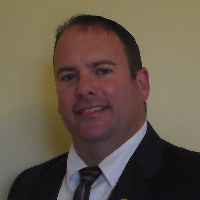
About Robert
In sessions he focuses on practical steps that help people manage day-to-day stress and emotional pain. He has long experience helping first responders, hospital staff, and people affected by critical incidents. That work includes many critical incident stress debriefings and supportive care after major events.
His background includes clinical roles in a large trauma hospital, where he provided services on trauma-intensive care and inpatient behavioral units. He also worked as an in-house psychologist with a metropolitan police department, offering crisis support and consultation during high-risk incidents. These roles gave him experience with crisis response and post-traumatic stress concerns.
Dr. Cipriano has developed wellness programs for public safety staff and written about maintaining wellbeing over time. He also provides training for clinicians and organizations on identifying warning signs of targeted violence and on intervention strategies aimed at prevention.
People who choose him can expect straightforward, skills-focused therapy. He aims to tailor interventions to each person's situation and to help them build practical coping tools for daily life.
How CBT and EMDR Can Work Online
CBT, or cognitive behavioral therapy, focuses on the link between thoughts, feelings, and actions. Sessions usually identify unhelpful thinking patterns and teach concrete skills for changing behavior and easing anxiety or depression. EMDR, Eye Movement Desensitization and Reprocessing, uses guided bilateral stimulation alongside recall of distressing memories to reduce trauma-related symptoms and emotional intensity.Finding the right approach is a collaborative process. The therapist will talk with each person about their goals, symptoms, and preferences, and then suggest whether CBT, EMDR, or a combination might fit best. Together they adjust techniques over time if something does not feel helpful.
Check the session options before booking to confirm how appointments are offered. Online therapy can make it easier to fit sessions into busy schedules, reduce travel time, and allow shorter check-ins when needed. It also makes it possible to continue regular work after a disruption or when in-person visits are hard to arrange. Licensed professionals can adapt CBT exercises and many EMDR procedures to an online setting, and the therapist will discuss practical details and what to expect during your first scheduled meeting.
Frequently asked questions
What concerns does this therapist commonly address?
He works with a wide range of issues including stress, anxiety, depression, addictions, trauma and abuse, grief, relationship and family problems, sleep and parenting struggles, anger, self-esteem, bipolar concerns, and job or career stress.
What is the therapist's approach and style?
He uses cognitive behavioral therapy and EMDR techniques depending on need, focusing on practical skills and step-by-step work to reduce distress and improve daily functioning.
How much clinical experience does he have?
He has 20 years of clinical experience, including extensive work with trauma-intensive hospital units and many critical incident stress debriefings.
What are his credentials and where is he located?
He is a California Psychologist (CA Psychologist 32975) and a North Carolina Psychologist (NC Psychologist 5348) and practices in Florida.
Which languages are supported for sessions?
Sessions are offered in English.
Can people outside the U.S. work with him?
International clients are not currently accepted.
How are session fees handled?
Cost varies with location and therapist availability; sessions use a subscription that can be canceled at any time.
What are the first steps to begin therapy?
Use the Start Therapy button, complete the short matching questionnaire, and then schedule sessions based on the therapist's availability.